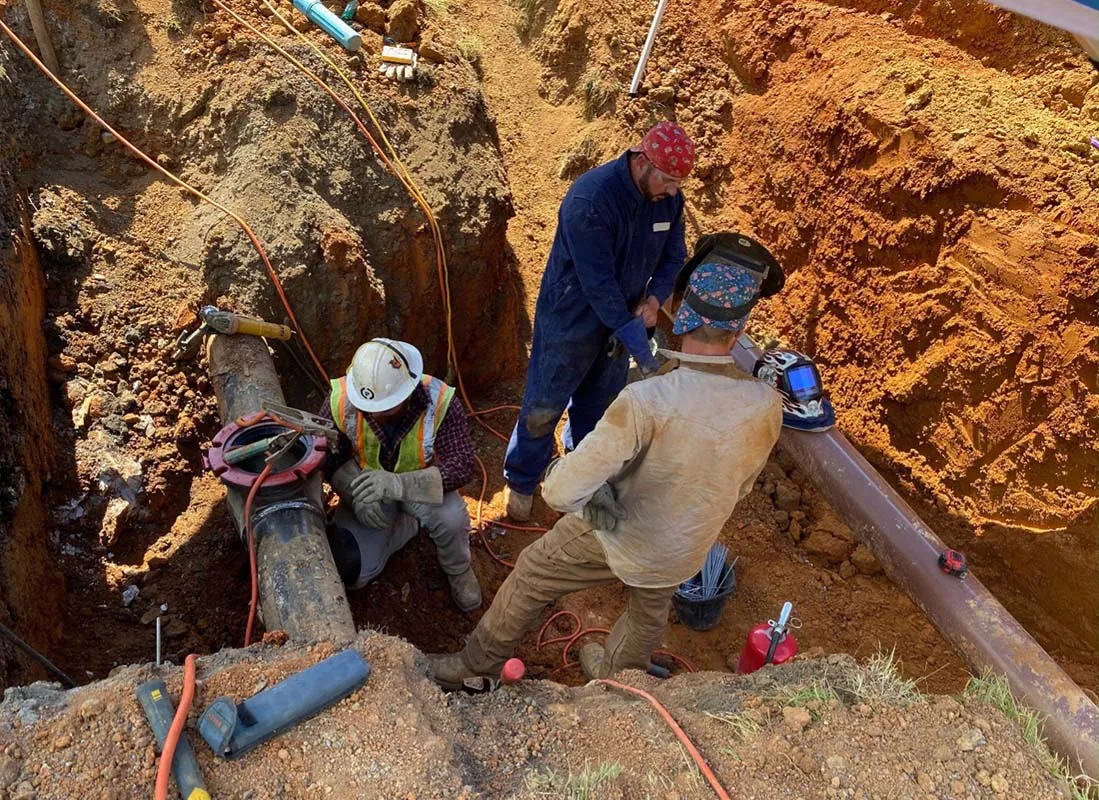
On April 6, 2026, Hungary found itself at the center of escalating tensions surrounding its natural gas supply. Just before this date, the country was already grappling with political pressures due to an upcoming election and accusations of foreign interference. The situation took a dramatic turn when explosives were discovered near a pipeline carrying Russian natural gas to Hungary.
In response to these alarming developments, Hungarian Prime Minister Viktor Orbán stated, “This pipeline is important, it is our lifeline.” The government swiftly placed the pipeline under military protection to ensure its safety and secure the energy supply for the nation.
Adding to the complexity of the situation, Peter Buda, a Hungarian official, revealed that plans for a potential false-flag attack had been circulating since February. This revelation has raised concerns about the motivations behind the explosive discovery and the broader implications for regional stability.
Meanwhile, in Greece, the natural gas landscape is shifting significantly. Greek natural gas exports quadrupled in the first quarter of 2026, reaching 5.99 terawatt-hours, compared to just 1.44 terawatt-hours in the same period the previous year. This surge comes as total natural gas demand in Greece hit 26.42 terawatt-hours, an 18.5% increase from Q1 2025.
As tensions rise in the Middle East, Iran’s energy sector is also facing challenges. Israel launched an attack on Iran’s South Pars natural gas complex, targeting facilities that account for a significant portion of the country’s petrochemical production. Israeli Prime Minister Benjamin Netanyahu declared, “Today we destroyed the largest petrochemical plant in Iran,” highlighting the severity of the situation.
Iran, the fourth-largest consumer of natural gas globally, relies heavily on this resource for electricity and heating. The attack has reportedly affected 50% of Iran’s petrochemical production and 85% of its petrochemical exports, raising concerns about the stability of its energy supply.
As these events unfold, the implications for Hungary, Greece, and Iran are profound. The natural gas supply chain is under scrutiny, and the geopolitical ramifications could ripple through Europe and beyond. Details remain unconfirmed regarding the exact nature and origin of the explosives found near Hungary’s pipeline, leaving many questions unanswered.
With the backdrop of heightened political tensions in Hungary and the ongoing conflict in the Middle East, the future of natural gas supply and security remains uncertain. The interconnectedness of these events underscores the importance of energy infrastructure in global politics.