The numbers
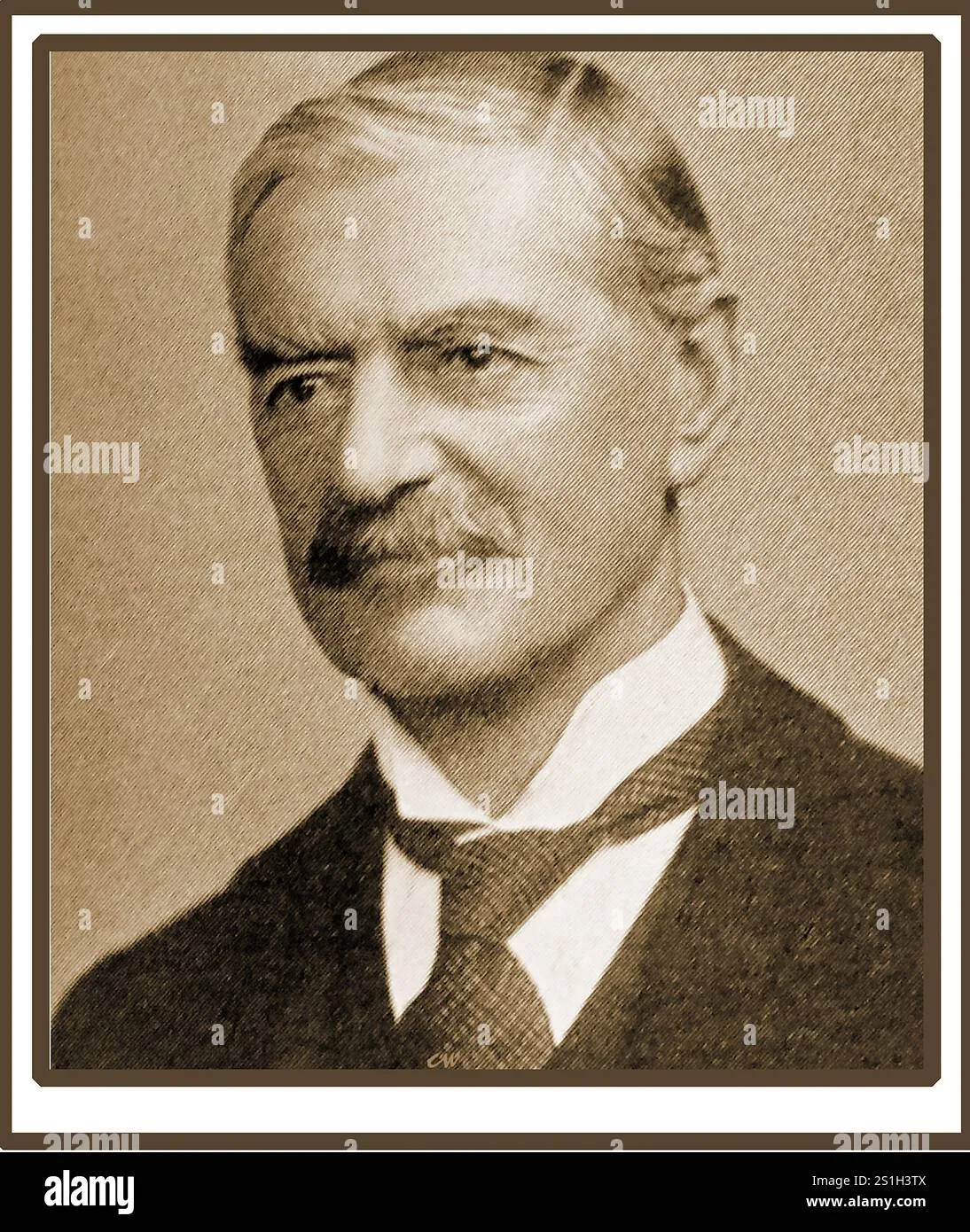
In a striking comparison, former President Donald Trump likened UK Labour leader Keir Starmer to Neville Chamberlain during remarks concerning the ongoing conflict in Iran. Trump emphasized, “We won’t want another Neville Chamberlain, do we agree? We don’t want Neville Chamberlain,” highlighting the tension surrounding Starmer’s refusal to support US-Israeli military actions in the region.
The Iran conflict has now entered its sixth week, with UK aircrews and ground forces engaged in defensive operations in the Middle East. Starmer has made it clear that he will not involve the UK in offensive operations regarding the situation, stating, “The conflict is not our war.” This stance has drawn both support and criticism, as the UK navigates its role in international affairs.
Trump’s remarks come at a time when the transatlantic relationship between the US and UK is under strain. The former president has threatened to bomb Iran’s civilian infrastructure if Tehran fails to reopen the vital Strait of Hormuz, a crucial waterway for global oil shipments. This aggressive rhetoric contrasts sharply with Starmer’s more measured approach, which prioritizes the UK’s national interests.
Bridget Phillipson, the UK education secretary, echoed Starmer’s sentiments, stating, “It is not language or an approach that this government would be taking.” This response underscores a significant divergence in foreign policy perspectives between the current UK leadership and Trump’s administration, further complicating diplomatic relations.
Historically, Neville Chamberlain is remembered for his policy of appeasement towards Adolf Hitler before World War II, a strategy that ultimately failed to prevent conflict. Trump’s invocation of Chamberlain’s name serves as a warning against perceived weakness in international negotiations, particularly in the face of aggressive adversaries like Iran.
As the situation evolves, observers are keenly watching how the UK government will respond to both internal pressures and external threats. Starmer’s commitment to a non-interventionist policy may resonate with a public weary of military engagements, yet it also raises questions about the UK’s influence on the global stage.
Details remain unconfirmed regarding the potential for further military actions or diplomatic negotiations. The coming weeks will be crucial as the UK navigates its position in the ongoing conflict and its relationship with the United States.