How it unfolded
As the sun rose over the UK, communities began to feel the impact of rising petrol prices and fuel shortages. The conflict in the Middle East has driven up petrol prices significantly, with the average price of petrol now reaching 150.11p per litre for the first time since May 2024. This spike has left many drivers anxious as they head to their local petrol stations.
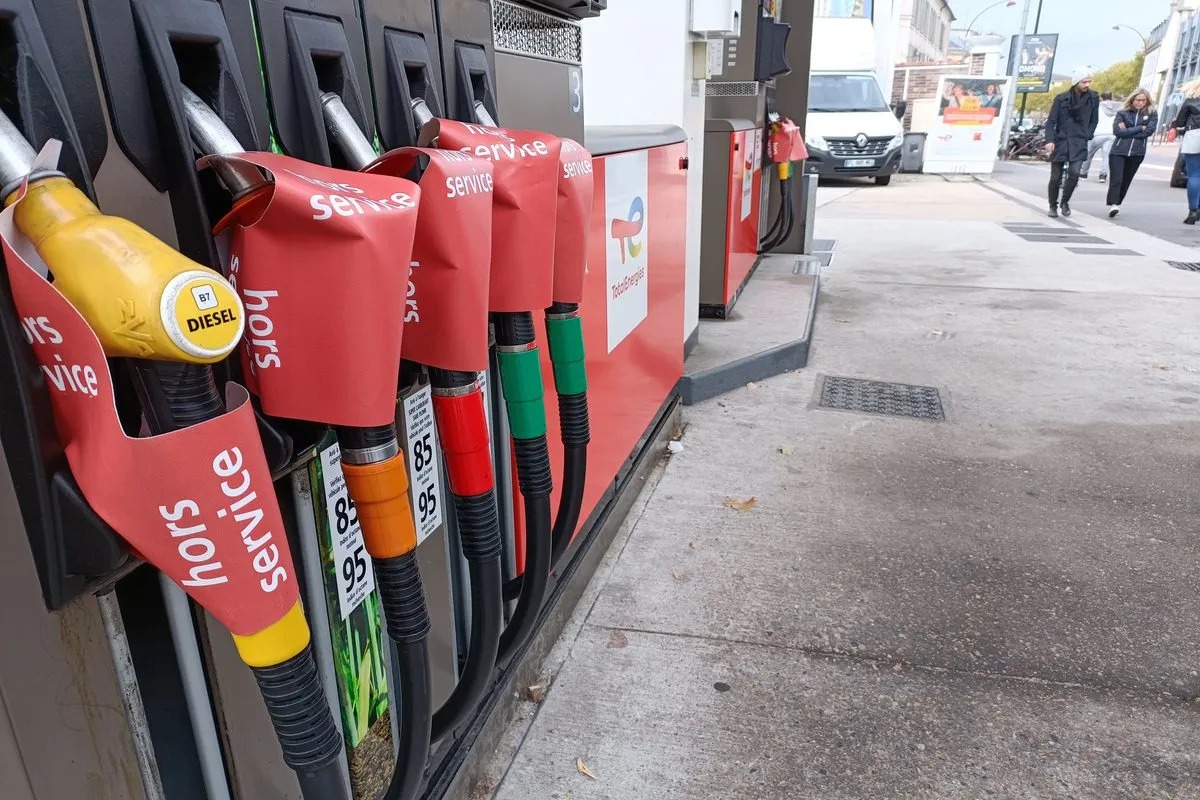
On a particularly busy morning, Asda issued a warning about temporary shortages at their petrol pumps, attributing the situation to high demand and ongoing supply issues. Allan Leighton, a spokesperson for Asda, noted, “Our fuel volumes are up quite significantly and clearly demand has been outstripping supply. Supply is tight and we are all trying hard on that.” This sentiment echoed across the industry as other major retailers like Tesco and Morrisons also reported similar challenges.
As the day progressed, reports began to emerge from Scotland, where petrol stations in Dundee and Fife were forced to close after running out of fuel. The situation was exacerbated by rising costs linked to the war in Iran, which has further strained the supply chain. The average price of diesel in the UK has surged to 177.68p per litre, a stark increase that has left many families feeling the pinch.
By midday, the average price of diesel at UK forecourts had reached 184.2p, marking a 29% increase since the conflict began on February 28. Meanwhile, petrol prices have risen by 16%, with the average now at 153.7p per litre. These escalating costs have made filling the average family car with diesel exceed £100 for the first time in over three years, prompting many drivers to reconsider their travel plans.
As the afternoon wore on, the RAC advised drivers to plan their refueling carefully, especially those embarking on long journeys. Simon Williams, a spokesperson for the RAC, emphasized the importance of planning, stating, “Drivers on long journeys will need to plan very carefully where they refuel.” This advice comes as many petrol stations struggle to keep up with the demand, leading to sporadic shortages across various regions.
Despite the challenges, a spokesperson from Fuels Industry UK reassured the public that the supply of petrol and diesel in the UK was stable, although the current situation remains fluid. Allan Leighton reiterated that the temporary shortages are being addressed quickly, stating, “We can expect to see that continue. The spikiness at the moment makes this tricky for us, as spikes can lead to temporary shortages. These are temporary and are addressed very quickly.”
As the evening approached, communities across the UK were left grappling with the implications of these fuel shortages. The rising prices and limited availability at petrol stations are not just an inconvenience; they represent a broader economic challenge that affects families and businesses alike. As the situation develops, it is clear that the community must come together to navigate these trying times, supporting one another as they adapt to the new realities of fuel availability.