Introduction to Mahmood’s Immigration Plans
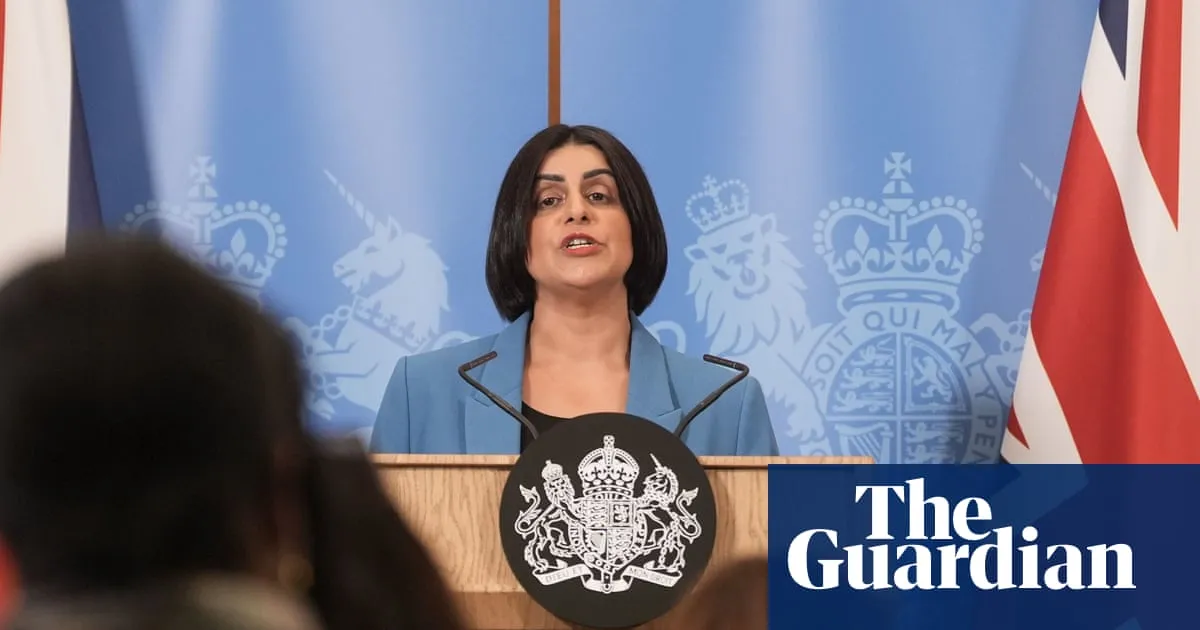
On March 5, 2026, Shabana Mahmood, a prominent figure in the Labour Party, announced a series of significant changes to the UK’s immigration system. These proposals come amid rising numbers of asylum seekers and growing public concern over the fairness of the immigration process. The announcement has sparked a heated debate within political circles and among advocacy groups.
Details of the Proposed Changes
Mahmood’s plans include the controversial decision to end permanent refugee status, which has raised alarms among refugee advocates. The proposals also stipulate that government support will be removed from asylum seekers who break the law. A notable pilot project will offer 150 families whose asylum claims were rejected up to £40,000 each to leave the UK voluntarily. Families contacted will have just seven days to decide whether to accept or refuse this offer.
Reviewing Refugee Status
In a move that has drawn criticism, Mahmood intends to implement a system where individuals’ refugee status will be reviewed every 30 months. This approach aims to ensure that those who are granted asylum are still eligible for protection, but it has raised concerns about the potential for instability among refugees who have built lives in the UK.
Political Reactions and Opposition
The announcement has not gone unnoticed within the Labour Party. Tony Vaughan organized a letter signed by 100 Labour MPs opposing the proposals, arguing that they threaten the rights of long-term residents. Vaughan stated, “You don’t win back public confidence in the asylum system by threatening to forcibly remove refugees who have lived here lawfully for 15 or 20 years.” This sentiment reflects a broader concern that the proposed changes could undermine the party’s commitment to human rights.
Support from Conservative Leadership
In contrast, Conservative leader Kemi Badenoch welcomed the extension of the time period before immigrants can apply for indefinite leave to remain, aligning with Mahmood’s proposals. This support indicates a potential shift in the political landscape regarding immigration policy, with both major parties appearing to converge on stricter measures.
Criticism from Refugee Advocacy Groups
Refugee groups have been vocal in their opposition to Mahmood’s plans, arguing that they could create chaos rather than control. Stella Creasy, a Labour MP, criticized the proposals, stating, “There’s no ‘fairness’ in repeatedly spending money on asking victims of trafficking and civil war if they are still in that category.” This highlights the concerns that the changes may disproportionately affect vulnerable populations.
Current State of the Immigration System
The UK immigration system has faced immense pressure, with £4 billion spent on asylum accommodation last year and around 200,000 people having arrived in the UK across the Channel. Currently, approximately 100,000 individuals are living in asylum accommodation funded by taxpayers. Mahmood’s proposals aim to restore control at the border while addressing the appeal of hard-right parties, which have gained traction in recent years.
Conclusion and Implications
As the debate continues, the implications of Shabana Mahmood’s immigration plans will be closely monitored by both supporters and critics. The proposed changes represent a significant shift in the UK’s approach to immigration and asylum, with potential long-term consequences for those seeking refuge in the country. The situation remains fluid, and details remain unconfirmed as discussions unfold within the political arena.