What Happened
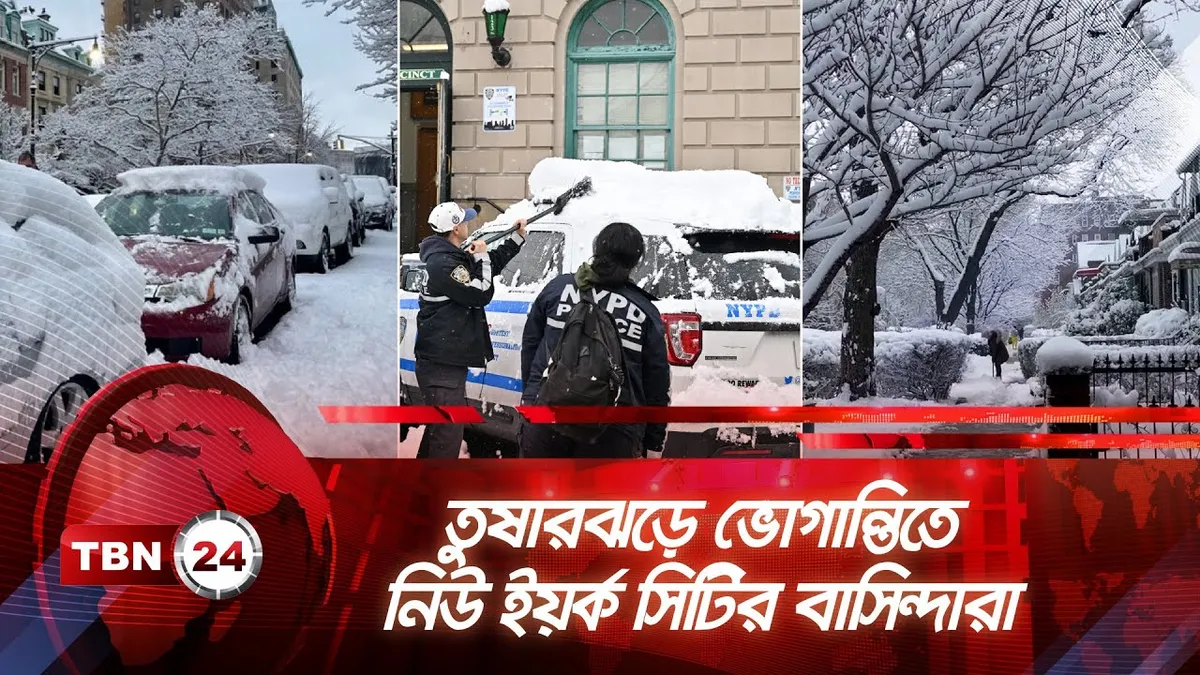
A historic winter storm has impacted the northeastern United States, with over 40 million people under blizzard warnings as of Monday. The storm, described as the strongest nor’easter in nearly a decade, has resulted in significant snowfall, with New York City experiencing its ninth largest snowstorm on record. By Monday afternoon, Central Park recorded 19.7 inches of snow, while areas in Brooklyn and Queens received up to 20 inches. Long Island saw even higher totals, with Central Islip reporting 31 inches and Babylon over 29 inches.
Why It Matters
This storm has prompted states of emergency in multiple states, including New Jersey, Massachusetts, and Rhode Island, as officials aim to mitigate the dangers posed by hazardous travel conditions. The storm has caused widespread power outages and significant disruptions to travel, with nonessential travel bans enforced in New York City and surrounding areas. The National Weather Service has warned of whiteout conditions and near-zero visibility, making travel potentially life-threatening.
What’s Next
As the storm begins to taper off, forecasters predict a warming trend starting Wednesday, with temperatures expected to rise into the 40s, which may aid in melting the accumulated snow. However, the immediate aftermath will still pose challenges, including continued hazardous conditions and potential flooding as the snow begins to melt.