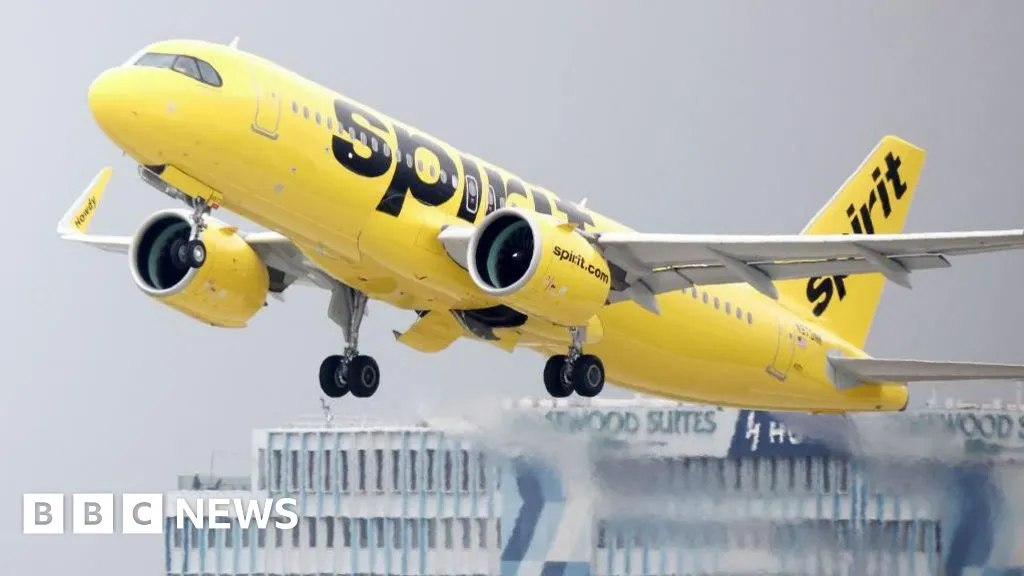
On May 2, 2026, Spirit Airlines announced it had ceased all operations, leaving many passengers in a lurch. The abrupt decision came after the airline could not secure a government bailout amid soaring jet fuel prices.
Spirit Airlines had been a significant player in the U.S. airline industry, accounting for about 5 percent of domestic flights at one point. In fact, between May 1 and May 15, the airline had scheduled 4,119 domestic flights, offering a staggering 809,638 seats to travelers. However, the recent doubling in jet fuel prices due to geopolitical tensions has severely impacted its financial viability.
The collapse of Spirit Airlines is not an isolated incident; it reflects broader challenges facing the airline industry. Transportation Secretary Sean Duffy cautioned travelers not to head to airports, stating, “If you have a flight scheduled with Spirit Airlines, don’t show up at the airport; there will be no one here to assist you.” This warning underscores the immediate fallout for many who had planned their journeys.
Founded in 1983 in Detroit as Charter One Airlines, Spirit’s journey has come to an unexpected end after 34 years of service. The airline’s final flight touched down at Dallas Fort Worth International Airport from Detroit Metropolitan Airport, marking a poignant moment for both employees and loyal passengers.
The Trump administration attempted to intervene by proposing a $500 million bailout to save Spirit Airlines. However, this effort ultimately failed. A creditor close to the deal remarked that while there was substantial effort made to rescue the airline, “you can’t breathe life into a corpse.” This sentiment resonates with many who are left wondering what led to such a rapid decline.
As passengers grapple with this sudden disruption, questions about refunds and future travel plans loom large. Dave Davis from Spirit stated, “We didn’t intentionally sell any tickets thinking we weren’t going to be here,” highlighting the confusion surrounding ticket sales just before the shutdown.
The future remains uncertain for those affected by Spirit’s closure. While passenger refunds are expected to be processed, no clear timeline has been shared on how this will unfold or how quickly affected travelers can expect assistance.
This situation serves as a stark reminder of the fragile nature of the airline industry and its susceptibility to external pressures like rising fuel costs. As travelers look for alternatives in an already strained market, many will surely feel the impact of this abrupt end to Spirit Airlines flights.