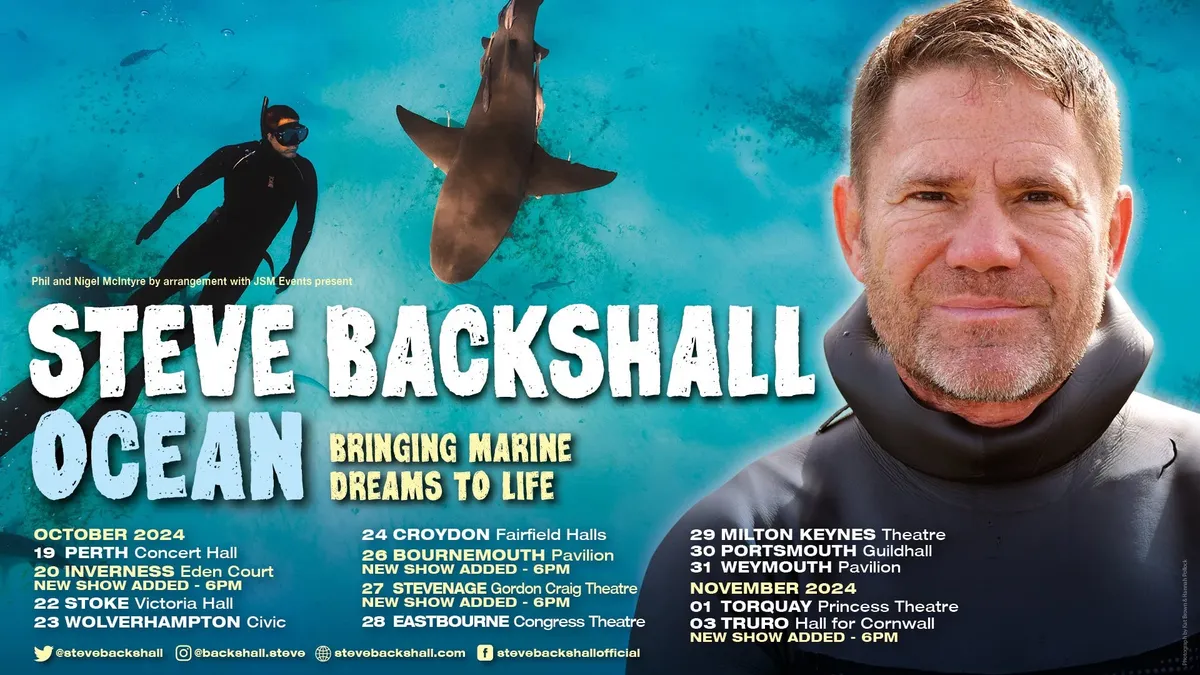
In a remarkable turn of events, wildlife enthusiasts were treated to an extraordinary sighting in Falmouth Bay, Cornwall, on April 1, 2026. Prior to this moment, the presence of orcas in English waters was a rare occurrence, with many believing that such sightings were becoming increasingly unlikely. However, renowned naturalist Steve Backshall spotted two orcas, John Coe and Aquarius, bringing a wave of excitement to the local community.
John Coe, an adult male killer whale, is approximately 60 years old, while Aquarius is the last remaining member of the Eastern North Atlantic Type 2 killer whale population. This sighting is particularly significant as it highlights the precarious status of these magnificent creatures, known affectionately as ‘The Boys’.
The decisive moment came when Backshall captured the encounter on video, allowing the world to witness the beauty of these orcas in their natural habitat. The sighting was described by Cam Molland of AK Wildlife Cruises as “unbelievably lucky” and “truly special”, underscoring the rarity of such an event.
As the last two members of the UK’s west coast resident population of Eastern North Atlantic Type 2 killer whales, John Coe and Aquarius symbolize both the fragility and resilience of marine life. Their presence in Falmouth Bay serves as a poignant reminder of the importance of conservation efforts aimed at protecting these endangered species.
Local residents and wildlife watchers alike have expressed their joy and privilege at witnessing this iconic moment. Leeves, a local wildlife enthusiast, remarked, “How privileged and honoured we were to be able to interact with these two iconic killer whales here in our Cornish waters.” This sentiment resonates deeply within the community, emphasizing the connection between people and nature.
Moreover, the sighting has sparked conversations about the need for greater awareness and action towards marine conservation. The orcas, critically endangered and part of a rare population found in Scotland, highlight the urgent need to protect their habitats and ensure their survival.
As the community reflects on this extraordinary event, it is clear that the sighting of John Coe and Aquarius is not just a fleeting moment, but a call to action for all who cherish the natural world. The hope is that such encounters will inspire future generations to engage in conservation efforts and protect the delicate balance of marine ecosystems.
Details remain unconfirmed regarding the long-term implications of this sighting, but the immediate joy and excitement it has brought to Falmouth Bay are undeniable. As the community celebrates this rare encounter, they also look forward to the possibility of more such sightings in the future, fostering a deeper appreciation for the wonders of marine life.