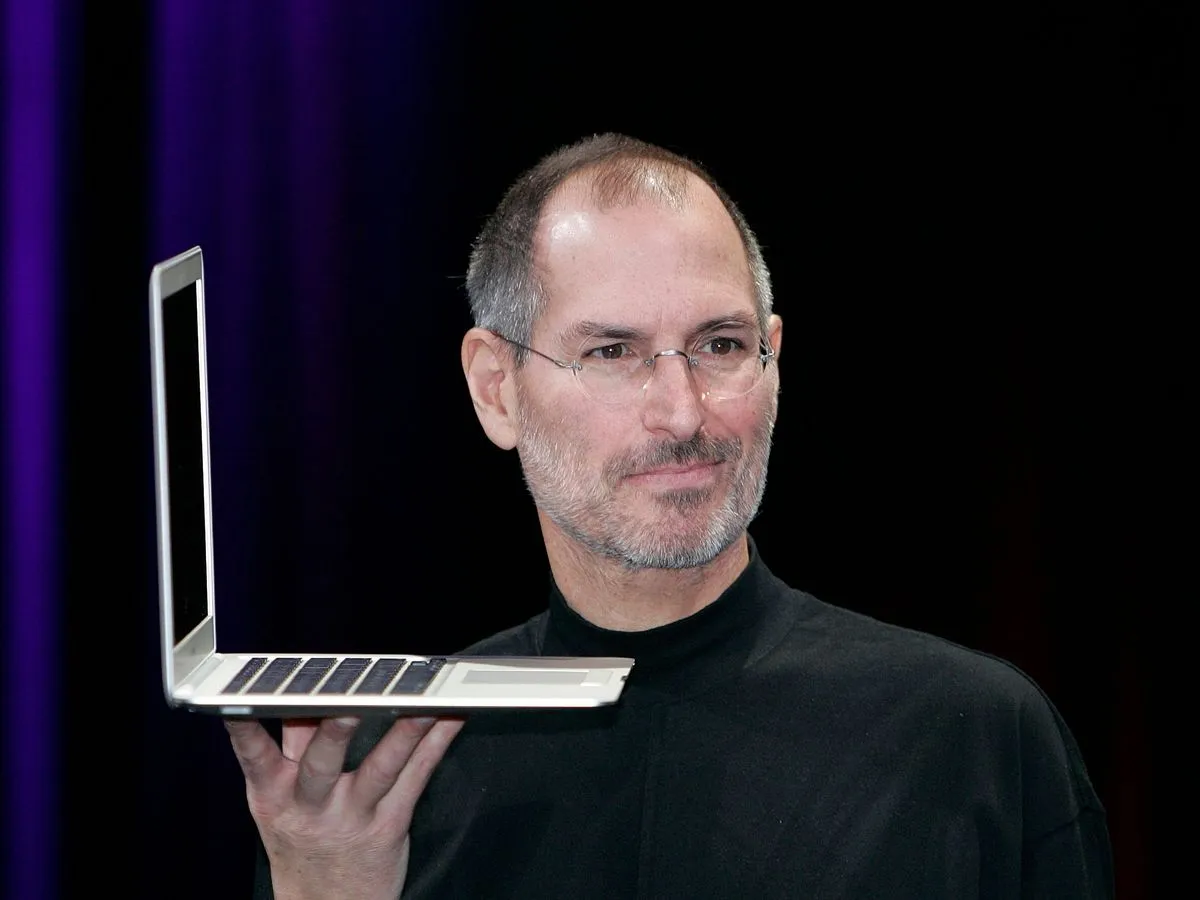
Who is involved
Before October 5, 2011, the world was captivated by the visionary leadership of Steve Jobs, co-founder of Apple. His innovative spirit had transformed the tech landscape, introducing groundbreaking products like the iPod in 2001 and the iPhone in 2007, which sold over 200 million units each year. Jobs was synonymous with creativity and disruption, and his presence was a constant reminder of what was possible in technology.
However, the atmosphere shifted dramatically with the news of Jobs’ death due to complications from a pancreatic tumor. This decisive moment not only marked the end of an era for Apple but also left a profound impact on the tech community and fans around the globe. The immediate aftermath saw a surge of tributes and reflections on his contributions, as people began to grasp the magnitude of his absence.
In the wake of his passing, Apple faced the challenge of continuing the legacy that Jobs had built. The company had to navigate its future without its charismatic leader, who had been the driving force behind its most successful innovations. Jobs’ death prompted a reevaluation of Apple’s direction, with many wondering if the company could maintain its innovative edge without his guidance.
As the community mourned, the effects of Jobs’ legacy became evident. The Apple Watch, launched in 2015, generated approximately $15 billion in revenue, showcasing that the company could still thrive. Yet, the introduction of products like the Vision Pro headset faced challenges, as production was scaled back due to low demand, highlighting the complexities of sustaining innovation.
In a poignant tribute to Jobs’ influence, Caviar announced the Apple 50th Anniversary Collection, featuring a phone with part of Jobs’ turtleneck woven into the case. This unique offering not only celebrated his legacy but also underscored the emotional connection many felt towards him and his work. The auction of Jobs’ 1973 job application, which fetched an astounding $50,000, further illustrated the lasting impact he had on the tech world.
Experts have weighed in on the significance of Jobs’ contributions. Emma Wall noted, “They sold a dream,” emphasizing how Apple under Jobs’ leadership was not just about products but about creating a vision that resonated with consumers. His famous assertion, “An iPod, a phone, and an internet communicator. These are not three separate devices, this is one device,” encapsulated his ability to foresee the convergence of technology.
As we reflect on the years since Jobs’ passing, it is clear that his legacy continues to shape the tech industry. Apple has celebrated its 50th anniversary, a milestone that would not have been possible without Jobs’ pioneering spirit. Yet, the challenges of innovation and market demand remain, reminding us that while Jobs may no longer be with us, his influence endures.
Details remain unconfirmed regarding the future direction of Apple as it seeks to honor Jobs’ vision while adapting to an ever-evolving market. The community remains hopeful that the spirit of innovation he championed will continue to thrive within the company he helped build.