The numbers
The Strait of Hormuz, a vital waterway through which 20 percent of the world’s oil supplies pass, is at the center of escalating tensions following a ceasefire proposal that has drawn sharp responses from both the United States and Iran. On April 6, 2026, President Donald Trump warned that Iran’s proposal to end the war was insufficient to avert US threats to destroy infrastructure unless the Strait is reopened, setting a final deadline for Iran to agree to a deal by 8 PM Washington time on Tuesday.
Iran’s leadership has firmly rejected the proposed temporary ceasefire, instead calling for a permanent end to hostilities. The proposal from Iran included 10 clauses, which outlined measures such as an end to regional conflicts and a protocol for safe passage through the Strait of Hormuz. Iranian military officials have labeled Trump’s warnings as “delusional,” criticizing his rhetoric as baseless threats.
In a significant move, Iran conveyed its official response to the US proposal through Pakistan, which has been mediating discussions. The Iranian leadership is currently reviewing a plan for an immediate pause in hostilities sent by Pakistan, while Trump has threatened to bomb Iran “back to the stone ages” unless a deal is reached. Amnesty International has raised alarms that attacking civilian infrastructure could amount to a war crime.
Trump described Iran’s ceasefire proposal as a “significant step,” but he emphasized that it was not good enough to meet US demands. “It’s a significant proposal. It’s a significant step. It’s not good enough, but it’s a very significant step,” he stated. Meanwhile, Iranian officials, including Mojtaba Ferdousi Pour, have asserted, “We won’t merely accept a ceasefire,” indicating a strong stance against temporary measures.
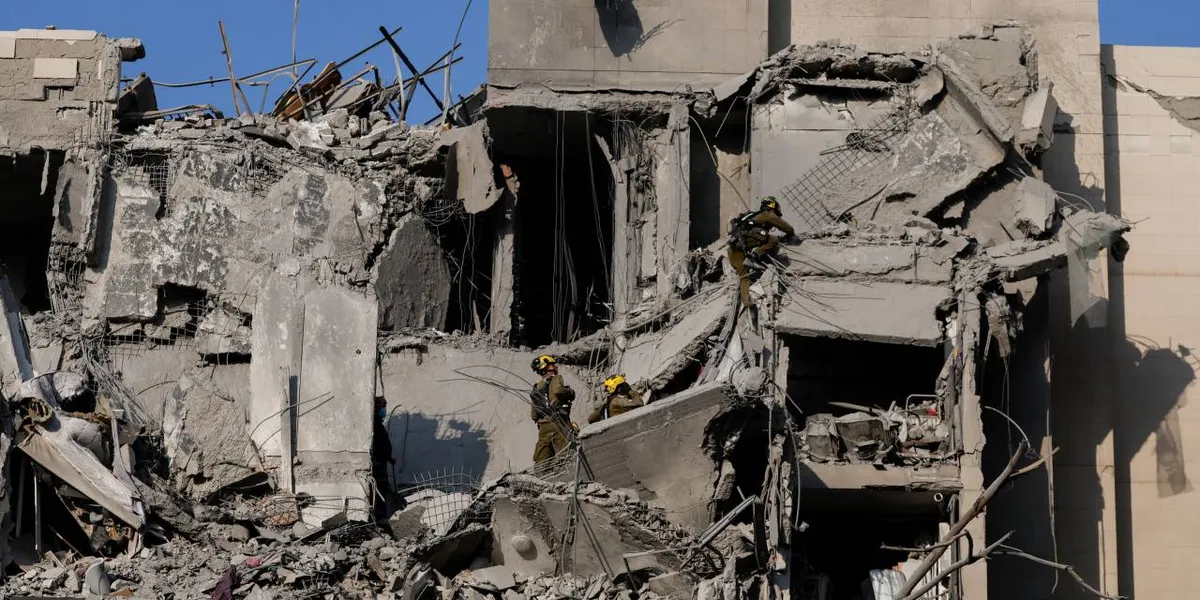
The backdrop of this conflict dates back to February 28, when Israeli and US attacks against Iran sparked the current war. The situation has only intensified with recent Israeli strikes on a key petrochemical plant in Iran, coinciding with Iran’s rejection of the ceasefire proposal. The extent of the damage from these strikes is still being assessed, and the implications for the broader conflict remain uncertain.
As the deadline approaches, observers are keenly watching whether Iran’s response to the ceasefire proposal will pave the way for a diplomatic solution or further escalate tensions. The White House has indicated that Iran has one night to engage seriously, but the path forward remains fraught with challenges.
Details remain unconfirmed regarding the potential for a lasting resolution, and the international community is left to ponder the ramifications of this ongoing conflict in a region critical to global energy supplies.