Introduction
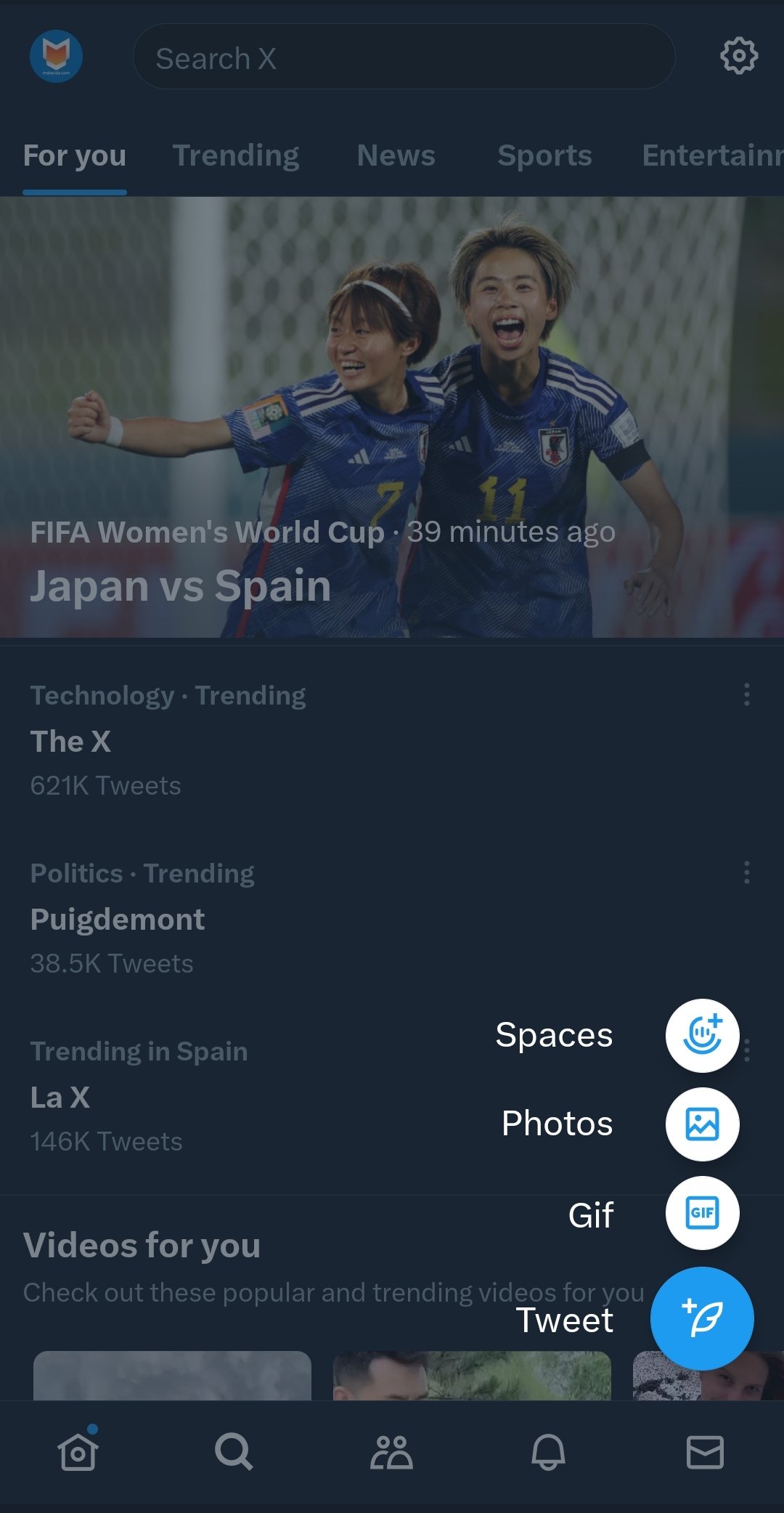
The rebranding of Twitter to X has marked a significant shift in the landscape of social media. Founded in 2006, Twitter became a cornerstone platform for real-time information and social interaction. In July 2023, Elon Musk announced the transition of Twitter to X, aligning it with his vision of an all-encompassing app that extends beyond social networking to include aspects like shopping, banking, and communication. Understanding this evolution is crucial as it reflects broader trends in technology and user engagement.
The Transition to X
Shortly after acquiring Twitter in October 2022, Musk began implementing various changes aimed at enhancing user experience and monetisation. The rebranding to X was part of a broader strategy to transform the platform into a ‘super app’, one that combines multiple functionalities—much like WeChat in China. This move has drawn mixed reactions; while some users appreciate the innovation, others remain loyal to the nostalgia of the classic Twitter experience.
In the wake of the rebranding, several features have been introduced, including a subscription model for premium content and enhanced video streaming capabilities. Moreover, Musk hinted at integrated services such as payment systems and an AI assistance feature, features which could take social interaction to unprecedented levels.
Current Developments and User Response
As of late 2023, X has initiated numerous partnerships with brands to bolster advertising revenue which is paramount for its sustainability. The platform has also relaxed its moderation policies which has sparked debate about the balance between free speech and responsible usage. Users have expressed concern regarding the spread of misinformation but have also noted the increased engagement levels on the platform.
Recent updates show an upward trend in user activity with various promotional campaigns attributed to the revitalisation of the platform. Analysts highlight that despite the controversy, the interactive and multimodal features of X are attracting new demographics, particularly younger audiences who crave versatile digital experiences.
Conclusion
The transition from Twitter to X signifies a bold vision of what social media can evolve into amidst growing competition. As X continues to develop, its ability to attract and retain users will be a key indicator of success. Observers predict ongoing adjustments to user feedback may shape its functionality further, making X not just a social media platform but potentially a crucial hub in everyday digital life. For users, keeping an eye on the latest features will be vital, as X seeks not only to engage but also to redefine how individuals connect and interact online.