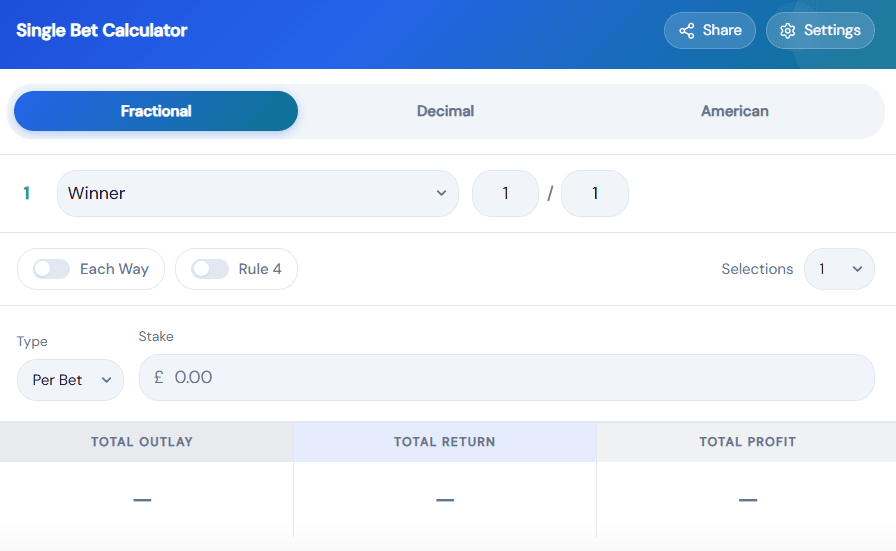
A bettor who checks numbers before confirming a slip is less likely to confuse possible profit with total return. In the middle of that check, a single bet calculator helps compare stake, odds and estimated outcome in a clearer way. It also makes the difference between possible winnings and the returned stake easier to understand. The bettor should still read the market name, odds format and stake amount before relying on the figure. This keeps the calculation useful without turning it into a reason to rush. It does not predict a result, remove risk or replace the bookmaker’s final settlement rules. For UK users, GBP examples make the calculation easier to read before any decision is made.
Single bet calculator basics for stake, odds and returns
Clear calculation starts with three simple parts: stake, odds and return. A single bet calculator takes those details and shows what the bet could return if the selection wins. The figure usually separates profit from total return, which avoids a common misunderstanding. A bettor should still compare the result with the bet slip before confirmation. The final amount can depend on odds format, settlement rules and whether the bet is accepted at the displayed price.
How stake and odds combine before potential returns
The stake is the amount placed, while the odds show the price offered on the selection. When a bettor uses a bet calculator, the tool multiplies those inputs to estimate the possible result. Decimal odds are often easier for quick comparison because they include the returned stake in the total. Fractional odds show profit against the stake, which can feel more familiar to UK bettors. Either way, the calculation should be treated as an estimate until the slip is settled.
| Input | Example in GBP | What the calculator shows | What the bettor checks |
| Stake | 10 GBP | Amount risked on the selection | Whether the stake fits the budget |
| Decimal odds | 2.50 | Estimated total return | Whether odds match the slip |
| Profit | 15 GBP | Winnings before returned stake | Whether this is not confused with total return |
| Total return | 25 GBP | Profit plus original stake | Whether settlement terms apply |
Why profit and total return are not identical
The difference between profit and total return matters because the two figures answer different questions. A betting calculator may show both, but the bettor needs to read them correctly. Profit is the amount above the original stake, while total return includes the stake if the bet wins. Confusing those numbers can make the outcome look larger than it really is. A careful check keeps the calculation useful without making the bet feel safer than it is.
How much will my bet win calculator questions answered
Many bettors search for a quick answer when they already know their stake and price. In that moment, a how much will my bet win calculator can show a possible return without doing mental maths. The result is still only a guide because the bet must be accepted and settled under the bookmaker’s rules. It is also important to remember that a bigger return usually reflects a less likely outcome. The number should inform the decision, not pressure it.
When decimal odds make estimates easier to compare
Decimal odds can make comparisons simple because the total return is visible with one multiplication. A single bet calculator using decimal odds can show how a 10 GBP stake changes when the price moves from one selection to another.
- Stake: The bettor enters the amount placed on the selection.
- Odds: Decimal odds show the total return multiplier.
- Return: The calculator shows the estimated amount including the original stake.
- Profit: The bettor checks the amount above the original stake.
- Check: The final slip should still be reviewed before confirmation.
The format is especially useful when checking several prices quickly. The final decision should still include budget, market rules and personal limits.
How fractional prices change winnings on GBP stakes
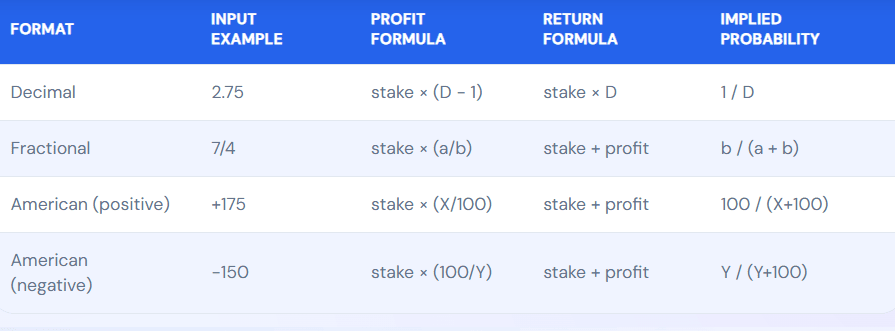
Fractional odds show how much profit can be made relative to the stake. A single odds calculator can help convert that price into a clearer GBP estimate. For example, the bettor can see profit separately from the returned stake. That matters because the displayed fraction may not instantly show the full return to every user. A clear calculation reduces confusion before the slip is confirmed.
Calculate my bet steps to work out single bet returns
A bettor should start with accurate details before using any return tool. In the middle of the process, the phrase calculate my bet should mean checking stake, odds, format and possible return together. The bettor should also compare those details with the live slip before trusting the estimate. Even a small mismatch can change the expected result. The same approach applies when trying to work out single bet returns from a slip. Small mistakes in stake or odds can change the result quickly. The calculation is only useful when the inputs match the actual bet.
Which input details matter before using any calculator
The most common mistakes come from typing the wrong stake, using the wrong odds format or reading profit as total return. A single bet calculator works best when the bettor checks each detail before trusting the result. Stake shows the amount at risk, odds show the price, and format explains how the number should be read. Return means the full amount that may come back, while profit means only the amount above the original stake. Accuracy matters more than speed.
How wrong odds or stake values distort results
Incorrect inputs can make a calculation look more attractive than the actual slip. A bet calculator cannot know if the bettor typed 20 GBP instead of 10 GBP or selected the wrong odds format. That is why the result should be checked against the live slip before confirmation. Even a small price difference can affect profit and return. Accuracy matters more than speed when the number influences a betting decision.
Bet calculator UK guide for formats, limits and rounding
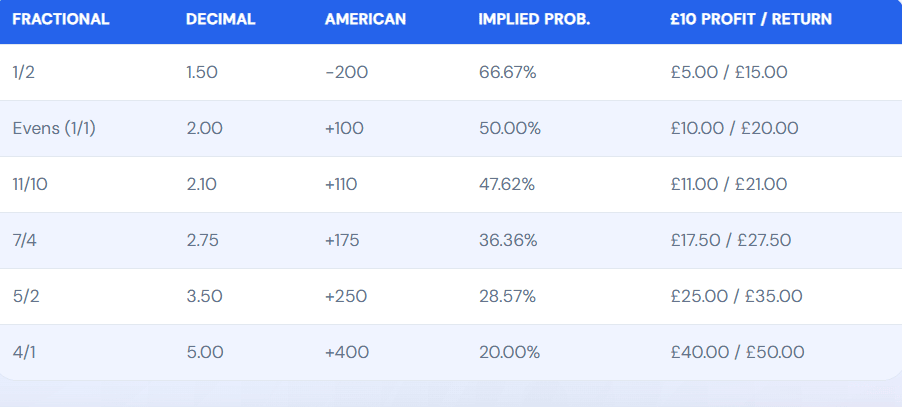
UK bettors often move between fractional odds, decimal odds and bookmaker-specific displays. A bet calculator UK tool can help turn those formats into clearer GBP estimates. The calculation is useful, but it does not override settlement rules or market conditions. Rounding can also create small differences between a calculator and a final slip. The safest approach is to use the estimate as a guide and then read the actual bet details.
When rule terms affect settlement after a result
Settlement can depend on more than whether the selection appears to win. A market may include void rules, dead-heat rules, price changes or other conditions that affect the final return. A bet calculator UK estimate may not include every one of those details.
- Void: The stake may be returned if the market is cancelled or not settled as a normal win or loss.
- Dead heat: The return may be reduced when several selections share the same finishing position.
- Price change: The final odds may differ if the slip is confirmed at another accepted price.
- Rule adjustment: Some markets may settle under specific terms that change the final amount.
The bettor should read the market rules before relying on the number. This is especially important where partial settlement or adjusted returns may apply.
Why rounded figures should not replace bet slip checks
Rounding makes estimates easier to read, but it can hide small differences. A calculator may show a neat figure while the bet slip applies exact odds and settlement rules. The single bet should therefore be checked in the bookmaker interface before any confirmation. This is not about mistrusting the maths; it is about matching the calculation to the actual terms. A bettor who checks both figures avoids relying on a rounded shortcut.
How to work out a single bet with safer checks
A return estimate should never be the only reason to place a stake. The phrase how to work out a single bet should include maths, slip review and personal limits. A bettor can understand possible outcomes while still deciding not to place the bet. That distinction matters because calculation can make a return feel more concrete than it is. Safer checking keeps the number in context.
What beginners should review before placing a stake
A beginner may focus on the potential return first, but the better order starts with the stake. A single bet calculator can show the maths, yet the bettor still needs to decide whether the amount is sensible. Budget, market name, odds, settlement rules and personal limits should all be checked before confirmation. The calculation should create clarity, not urgency. This makes the calculator useful as support, not as the only basis for placing a stake.
| Pros | Cons |
| A calculator can make stake, profit and return easier to understand before the bettor confirms a slip. | The estimate cannot guarantee settlement because market rules and accepted odds still matter. |
| It can reduce mental maths errors when comparing several GBP stakes or odds formats. | A clear return figure may still encourage overconfidence if limits are ignored. |
| It helps beginners see the difference between possible profit and total return more clearly. |
How bankroll limits keep calculation expectations realistic daily
A betting calculation should sit inside a wider spending plan. A single bet may look small on its own, but repeated stakes can add up quickly. A fixed bankroll limit helps the bettor keep the calculation separate from emotion. This is especially useful after a loss, when the next possible return may look tempting. A calculator should support control, not encourage chasing.
FAQ about single bet calculator use for UK bettors
What does a calculator show before a bet?
It usually shows possible profit and total return based on stake and odds. The result depends on the details entered by the bettor. It should be compared with the bet slip before confirmation.
Can odds formats change the return estimate shown?
Different odds formats can make the same price look unfamiliar. Decimal odds and fractional odds may display the calculation differently, even when the underlying value is similar. The bettor should use the format that matches the slip.
Why should stake checks happen before confirmation always?
The stake is the amount at risk, so it should be checked before the bet is placed. A wrong stake can change the possible return and the level of risk. The bettor should confirm that the amount fits a personal limit.
How can bettors avoid relying on estimates only?
They should compare the calculator result with the final slip, market rules and accepted odds. They should also check whether any settlement terms could change the result. An estimate is useful only when it supports a calm decision.