Introduction
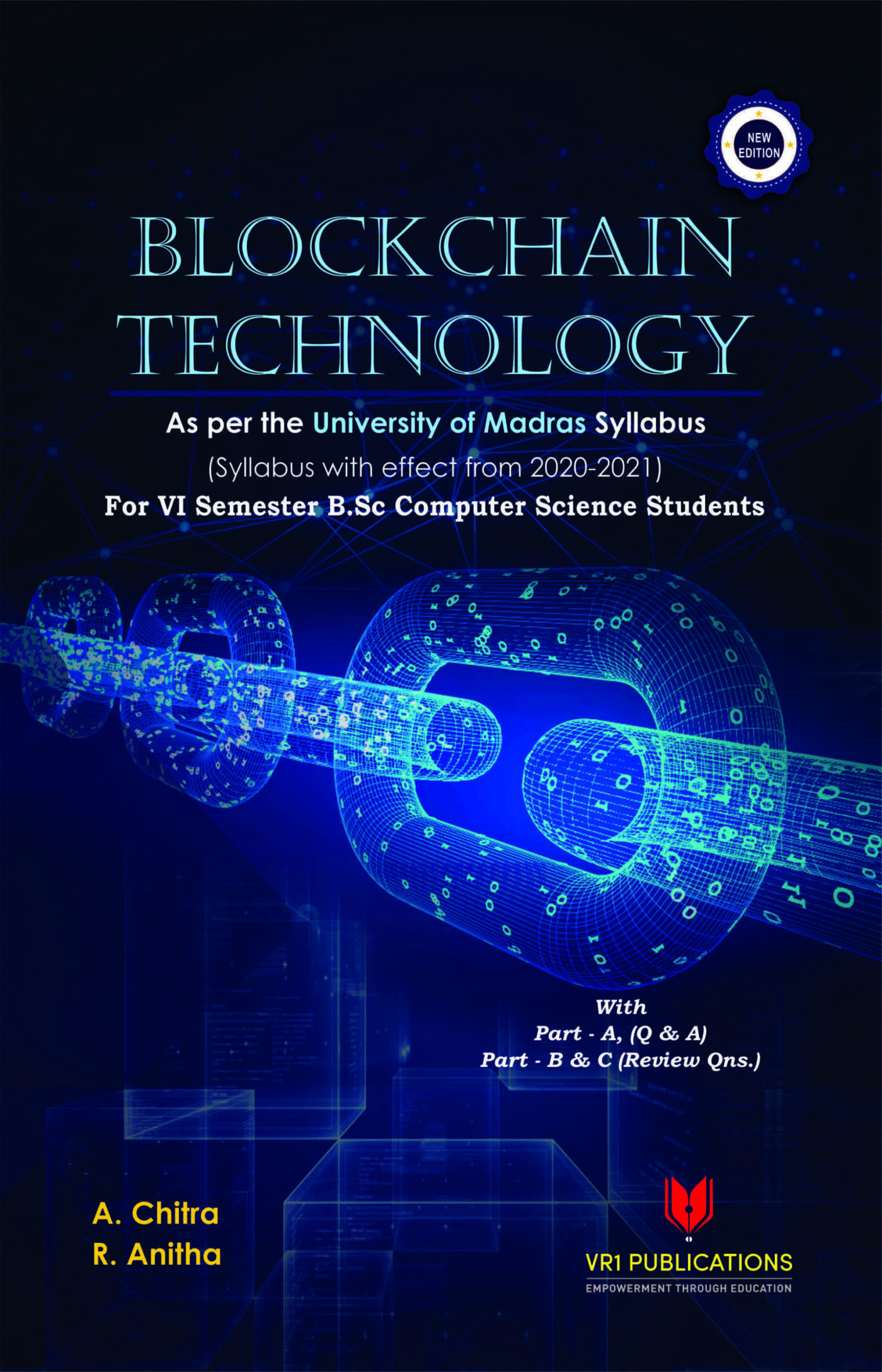
Blockchain technology has emerged as a pivotal innovation in the digital age, revolutionising the way data is stored, shared, and verified. Its decentralised nature and transparency have made it a fundamental aspect of various industries, including finance, healthcare, and supply chain management. As the world becomes increasingly digitised, understanding blockchain technology and its applications is essential for businesses, consumers, and policymakers alike.
Current Developments in Blockchain
In recent months, the adoption of blockchain technology has accelerated, particularly in response to the ongoing demands for enhanced security and efficiency across sectors. Financial institutions are incorporating blockchain to streamline transactions and reduce costs. For instance, major banks like JPMorgan are utilising blockchain for cross-border payments, significantly cutting down processing times from days to just hours.
Additionally, the rise of non-fungible tokens (NFTs) has captured global attention, showcasing blockchain’s potential to authenticate ownership and provenance of digital assets. This trend has prompted a surge in digital art and collectibles markets, as artists and creators seek to leverage this technology for monetisation and protection of their works.
Challenges and Considerations
Despite its potential, the implementation of blockchain technology is not without challenges. Scalability remains a pressing issue, as many blockchain networks struggle with transaction speeds during peak usage times. Furthermore, there are concerns regarding regulatory frameworks and the environmental impact of blockchain mining, particularly in light of energy consumption associated with proof-of-work systems.
Industry leaders are actively working to address these obstacles. Initiatives aimed at developing more sustainable blockchain protocols and more inclusive regulatory measures are underway, indicating that the technology is still in its evolutionary phase.
Conclusion
The significance of blockchain technology cannot be overstated. Its potential to transform industries, enhance security, and foster transparency is promising. As we look ahead, it is crucial for stakeholders to remain informed about ongoing developments and engage in discussions regarding its ethical, legal, and practical implications. With continued innovation and adaptation, blockchain technology could play a crucial role in building a more secure and efficient future.