Introduction
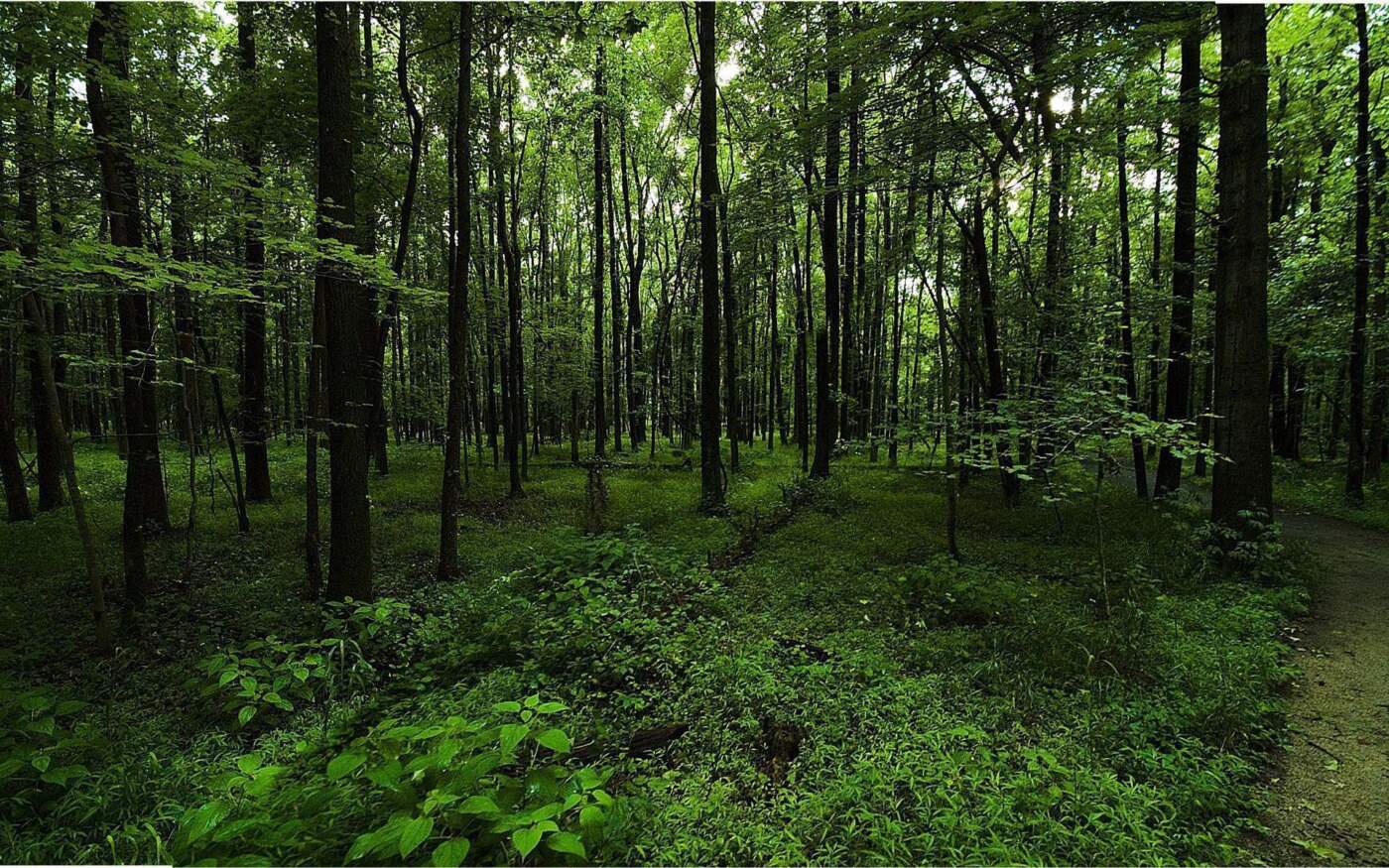
Forest green, a deep and rich shade of green, is not just a colour but a symbol of environmental sustainability and conservation. As the world grapples with climate change, deforestation, and biodiversity loss, forest green serves as a reminder of the natural landscapes we are striving to preserve. In 2023, this colour encapsulates the growing movement towards greener practices in various sectors, from fashion to architecture.
Role in Conservation Efforts
This year, numerous organisations have highlighted the importance of forest green in their branding and campaigns aimed at promoting conservation. One notable example is the United Nations’ Decade on Ecosystem Restoration, which commenced in 2021 and aims to restore 350 million hectares of degraded ecosystems by 2030. The campaign employs the visual of forest green to inspire both action and awareness among global citizens about the pressing need to restore our vital forests.
Environmental Awareness in Fashion
The fashion industry has also seen a shift towards sustainability, with many brands adopting forest green into their colour palettes. A report from the Fashion Industry Charter for Climate Action indicates that the sector is responsible for up to 10% of global carbon emissions. By promoting forest green clothing, brands aim to encourage consumers to focus on eco-friendly choices and materials. Key players, including Stella McCartney, are leading the charge by designing collections that not only look good but are also made from sustainable fabrics, serving as a powerful communication tool for environmental responsibility.
Architectural Trends
In architecture, the concept of biophilic design, which seeks to align buildings with nature, sees a surge of interest. Forest green hues are commonly incorporated in materials and paint choices to create spaces that resonate with natural environments. Recent studies show that buildings designed with green elements can improve mental health and productivity while simultaneously reducing energy consumption. This trend signals a significant shift in how we view architectural spaces, fostering a deeper connection with the natural world.
Conclusion
Forest green stands as an important colour symbolising our collective effort toward a more sustainable future. Whether through conservation campaigns, eco-friendly fashion, or innovative architecture, it plays a crucial role in inspiring change. As awareness of environmental issues continues to grow, the relevance of forest green will likely increase, encouraging individuals and communities to adopt sustainable practices. By embracing this colour, we not only celebrate nature but also commit ourselves to its preservation for future generations.