Introduction
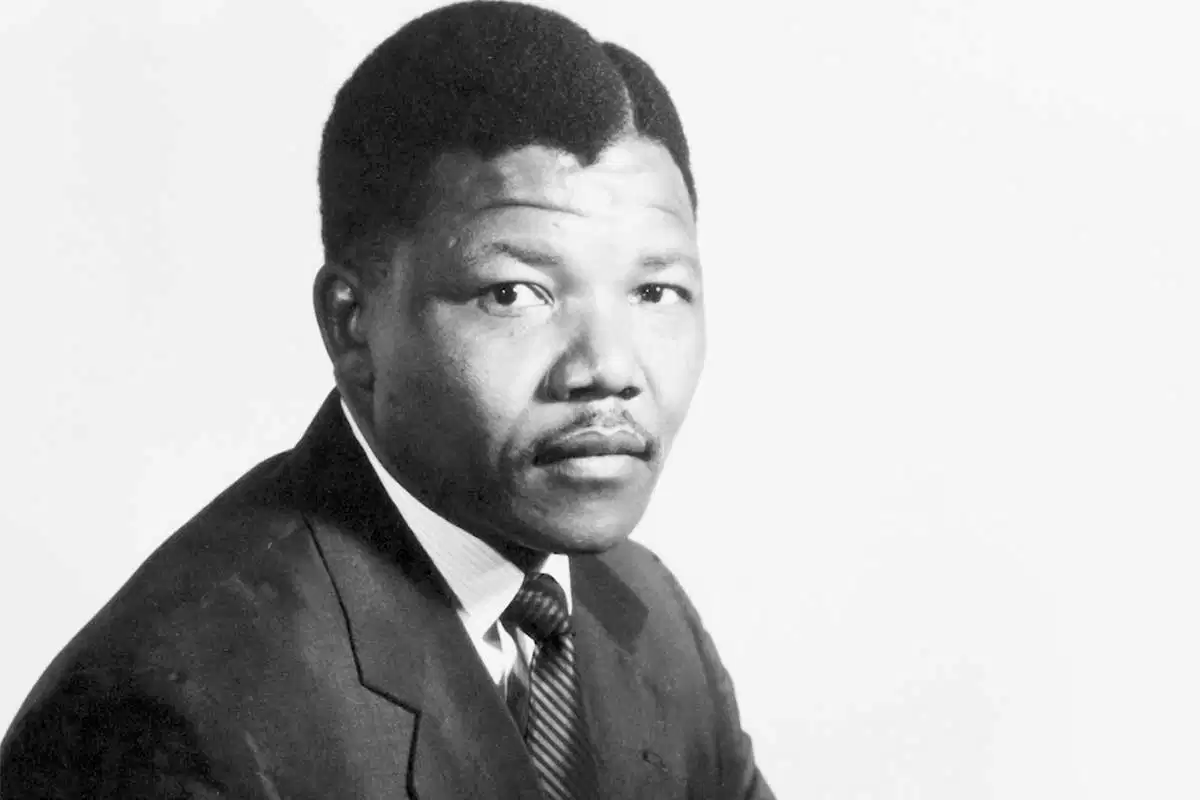
Nelson Mandela, the former President of South Africa and a global icon of peace and justice, remains a pivotal figure in discussions surrounding equality, human rights, and reconciliation. His contributions to ending apartheid and fostering unity in South Africa have left an indelible mark on the world, making him a subject of continued interest and relevance.
The Life of Nelson Mandela
Born on July 18, 1918, in the village of Mvezo, Nelson Mandela’s journey to becoming a transformative leader began with his education at the University of Fort Hare and the University of Witwatersrand. Initially involved in politics as a member of the African National Congress (ANC), he rose to prominence in the fight against apartheid, a brutal system of racial segregation enforced by the South African government.
Mandela was arrested in 1962 and sentenced to life imprisonment in 1964 for his anti-apartheid activities. He spent 27 years in prison, primarily on Robben Island, where he became a symbol of resistance against oppression. His release in 1990 came after international pressure and a swell of support for the anti-apartheid movement.
A Historic Presidency
In 1994, Mandela became South Africa’s first Black president and the first president elected in a fully representative democratic election. His presidency was marked by efforts to dismantle the legacies of apartheid and promote national reconciliation. The establishment of the Truth and Reconciliation Commission (TRC) sought to address the atrocities committed during apartheid, paving the way for healing in a divided nation.
Legacy and Global Influence
Mandela’s influence extends well beyond South Africa. He is celebrated worldwide as a champion for human rights, social justice, and peace. His ability to forgive and foster dialogue has inspired movements for social change across the globe, from civil rights campaigns in the United States to anti-colonial movements in various parts of Africa.
His legacy is continued through the Nelson Mandela Foundation, which promotes his values through educational initiatives and social justice projects.
Conclusion
The impact of Nelson Mandela on the world continues to be significant. His teachings and actions remind us of the ongoing struggle for equality, justice, and human dignity. As the world faces various challenges, Mandela’s unwavering spirit encourages individuals and nations alike to pursue peace and reconciliation. His story is a testament to the power of perseverance and compassion in the fight against injustice—a message that remains profoundly relevant today.