Introduction
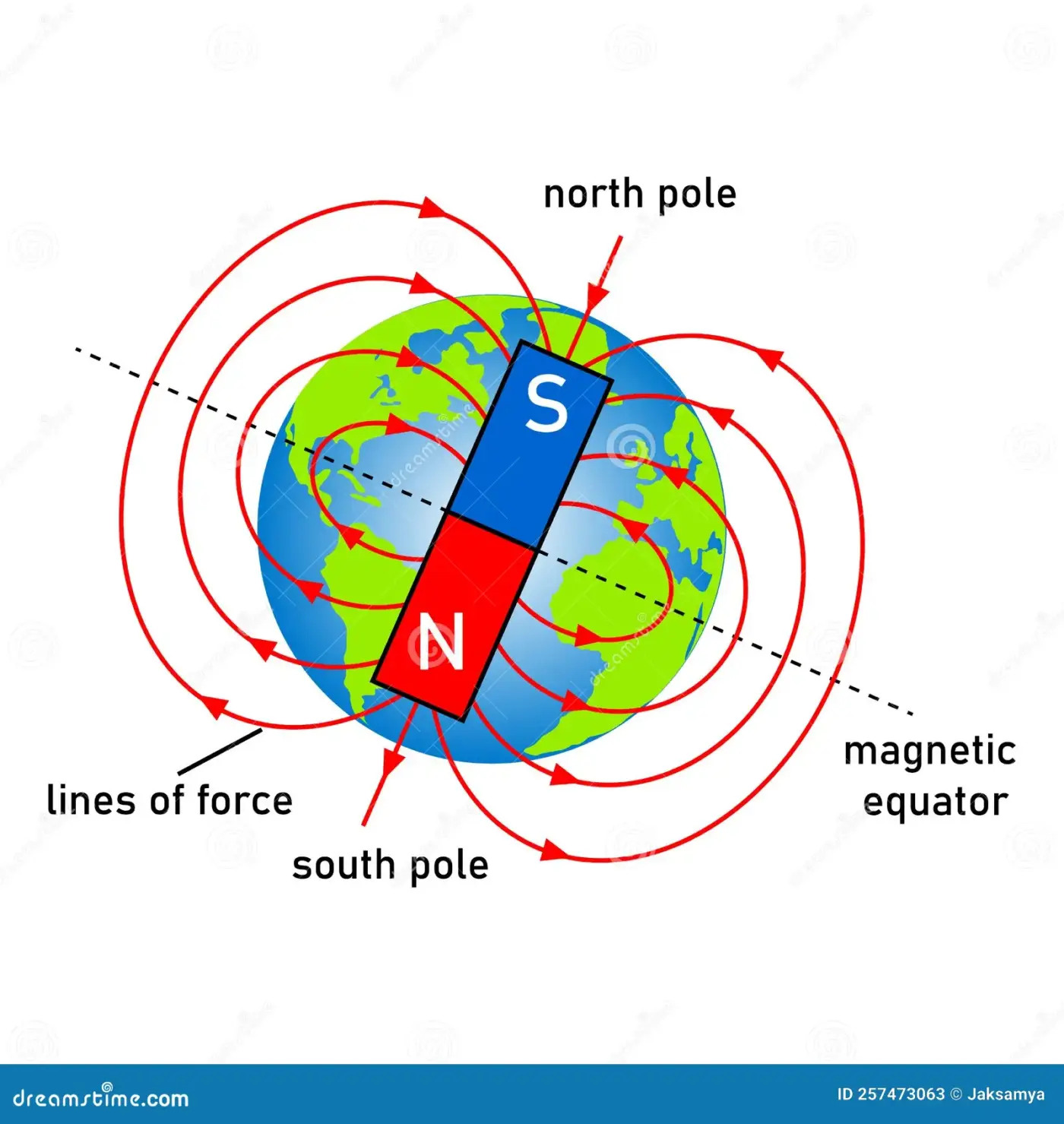
The Magnetic North Pole, a pivotal reference point used for navigation, is increasingly relevant as its position shifts over time. Understanding its movement is crucial for various applications, including maritime navigation, aviation, and even geolocation technologies. Recent studies highlight the accelerating drift of the Magnetic North Pole, emphasizing the need for updated navigational systems and increased awareness of its significance.
Current Position and Movement
As of 2023, the Magnetic North Pole is located in the Arctic region, moving towards Russia at an alarming rate. Historically, the pole has shifted due to changes in the Earth’s magnetic field, but recent data show it has been traveling approximately 55 kilometres per year. This shift is mainly attributed to fluctuations in the molten iron and nickel in the Earth’s outer core, which generates the magnetic field.
Impact on Navigation
The movement of the Magnetic North Pole has significant implications for navigation. Traditional compasses, which rely on magnetic orientation, are becoming less reliable as the pole wanders further from its expected position. In response, navigational systems in both civil aviation and maritime industries are adapting by recalibrating their instruments to better reflect this dynamic shift.
Scientific Studies and Research
Numerous scientific studies have been initiated to better understand the causes of the Magnetic North Pole’s drift. Researchers at the University of California, Los Angeles, and the British Geological Survey utilise satellite data to track the pole’s movements. These studies aim to provide insight into the underlying geophysical processes and predict future behaviour.
Conclusion
The significance of the Magnetic North Pole extends beyond mere navigation; it offers insights into the Earth’s dynamic processes. As its position continues to change, it is imperative for navigators, scientists, and the general public to stay informed about its implications. The ongoing research is expected to yield critical information, fostering improved navigational accuracy and a deeper understanding of Earth’s magnetic field. In the coming years, the reliance on updated cartographic data will be crucial to mitigate the operational challenges posed by the Magnetic North Pole’s ongoing drift.