Introduction
Freemasonry has been a subject of intrigue and speculation for centuries, deeply woven into the fabric of society. As one of the oldest fraternal organisations, it promotes a philosophy of moral uprightness and community service, while fostering a sense of brotherhood among its members. The relevance of Freemasons in today’s world is often debated, making understanding their place in contemporary society critical.
The History and Evolution of Freemasonry
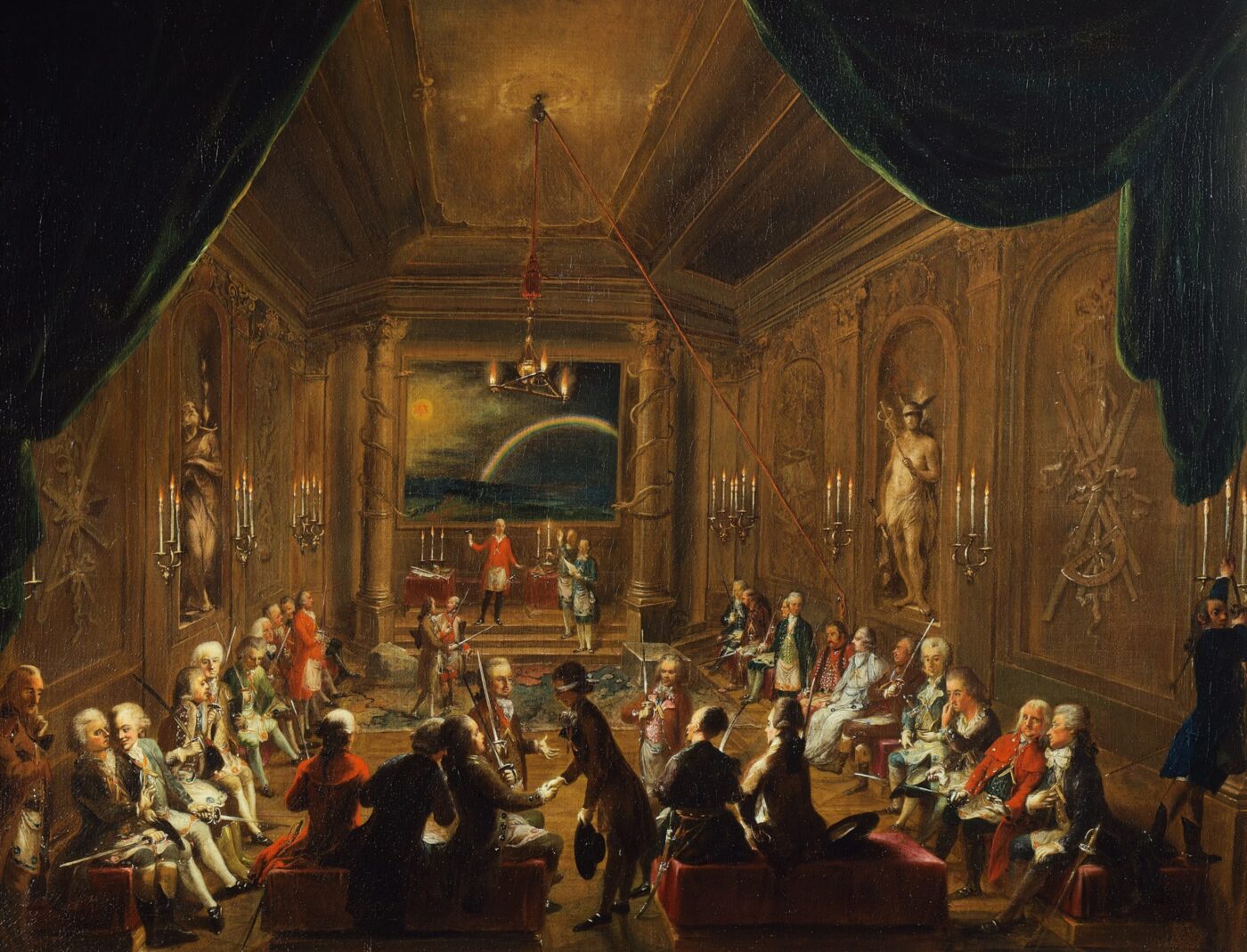
Origins of Freemasonry date back to the late 16th to early 17th century, largely formed from the guilds of stonemasons. Throughout the subsequent centuries, Freemasons have adapted to societal changes, expanding their membership and principles beyond merely crafting stone to encompassing ideals of enlightenment and civic responsibility. By the 18th century, the organisation blossomed, with lodges established across Europe and later in America, giving rise to numerous notable members, including several founding fathers of the United States.
Current Trends and Membership
In recent years, Freemasonry has faced challenges common to many membership-based organisations, including declining numbers and evolving societal perceptions. However, recent surveys indicate a small uptick in interest among younger generations seeking connection and community, often drawn by the Masonic emphasis on philanthropy and ethical living. Initiatives focusing on local charities and community outreach have allowed the Freemasons to refresh their image and relevance.
Freemasonry and Contemporary Issues
Today, Freemasons participate actively in discussions on social issues, including diversity and inclusion, aiming to break down barriers that have historically hindered participation among various demographics. The organisation is increasingly engaging with the public and fostering transparency, looking to dispel myths regarding secrecy that have long surrounded it. The establishment of open events, such as community forums, has allowed Freemasons to demystify their practices and values.
Conclusion
The significance of Freemasons in modern society cannot be understated. As they continue to navigate the complexities of contemporary issues while adhering to their foundational principles, they illustrate the potential of fraternal bonds in addressing community needs. Moving forward, Freemasons will likely play an integral role in fostering dialogue and unity, demonstrating that their values still resonate in the modern world. For readers interested in understanding civic organisations, the evolution and adaptation of Freemasons provide a relevant study in continuity and change.