Introduction
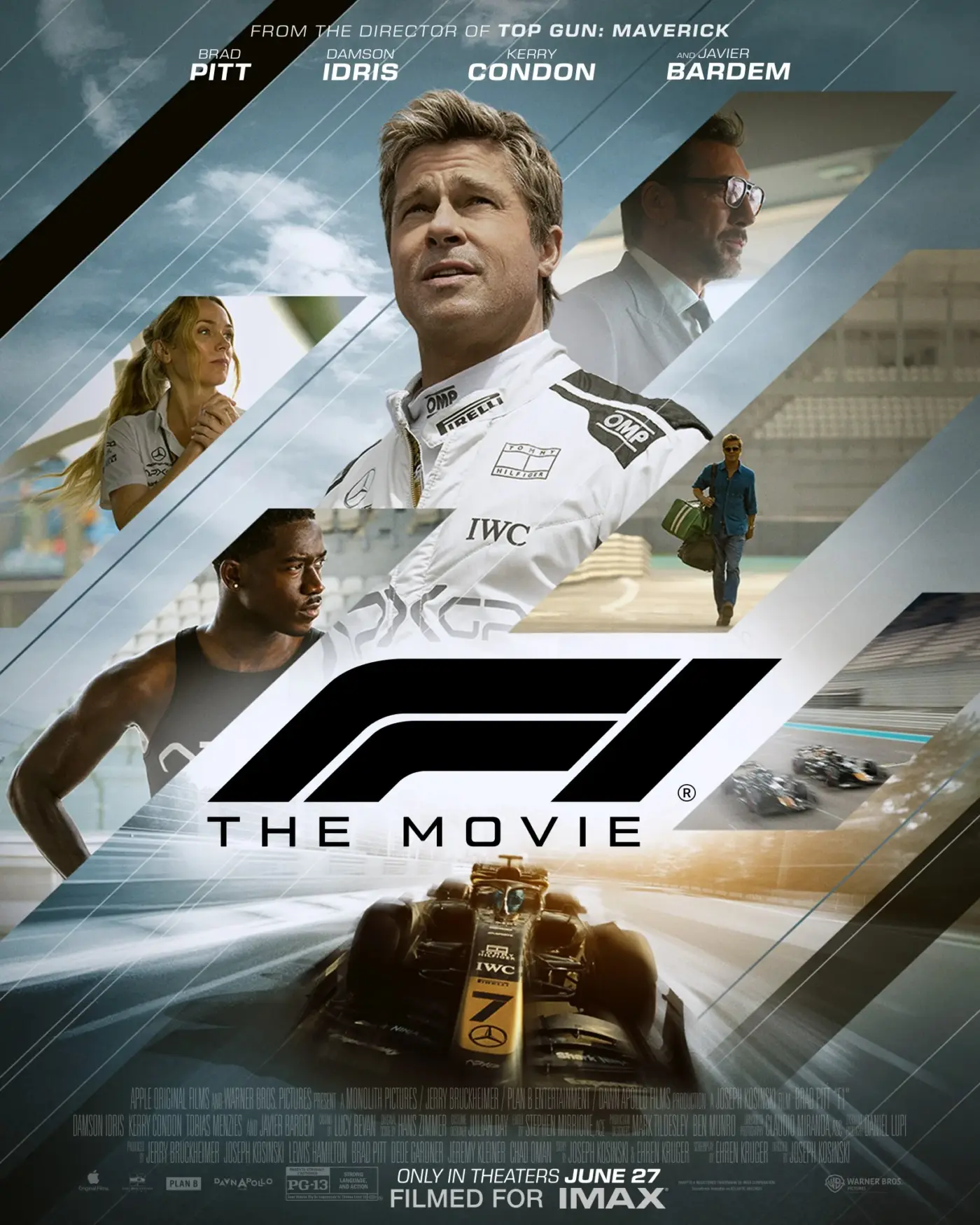
The excitement surrounding Formula 1 racing has long captivated audiences, but recent years have seen a surge in interest as film adaptations and documentaries shine a light on this high-speed sport. The allure of F1 movies not only brings thrilling race sequences to the big screen but also delves into the stories of the drivers, their rivalries, and the technological innovation that characterizes the sport. With increasing production quality and storytelling depth, F1 films have become a significant trend in contemporary cinema, appealing to both motorsport fans and general audiences alike.
Recent Developments in F1 Filmography
In 2021, the release of the Netflix documentary series “Drive to Survive” reshaped how fans engage with Formula 1. This series provided fans with unprecedented behind-the-scenes access to the teams and drivers, effectively humanising the athletes and enhancing the drama of the races. It also played a crucial role in boosting F1’s popularity in the United States, a market where motorsport historically struggled to gain traction.
Following the success of “Drive to Survive,” numerous film projects have emerged. A key example is the 2023 feature film “Gran Turismo,” which, while not exclusively about Formula 1, intertwines the essence of competitive racing, highlighting the virtual simulation’s role in training professional drivers. Events from real-life motor racing have permeated mainstream media, positioning F1 in the cultural consciousness and inspiring filmmakers to explore the sport further.
The Impact on the Motorsports Community
The influence of F1 movies extends beyond box office numbers; it has invigorated interest in racing activities among young audiences. The rise of F1-related film content has encouraged manufacturers to invest in motorsport initiatives and engage with younger fans through events and social media. Additionally, it has opened doors for major sponsors and partnerships, thereby enhancing the visibility of the sport through cross-promotional opportunities.
Conclusion
As the interest in F1 continues to grow, filmmakers are likely to seize opportunities to craft extraordinary stories inspired by the sport. The blend of adrenaline-fueled action, personal struggle, and technological triumphs presents a fertile ground for compelling narratives that resonate with audiences worldwide. In an era where storytelling technology is constantly evolving, the future of F1 films looks promising, ensuring that the thrill of motorsports will be captured on screen for years to come. Whether through documentaries or dramatized accounts, the intersection of cinema and Formula 1 is set to define a new era in how fans connect with the sport.