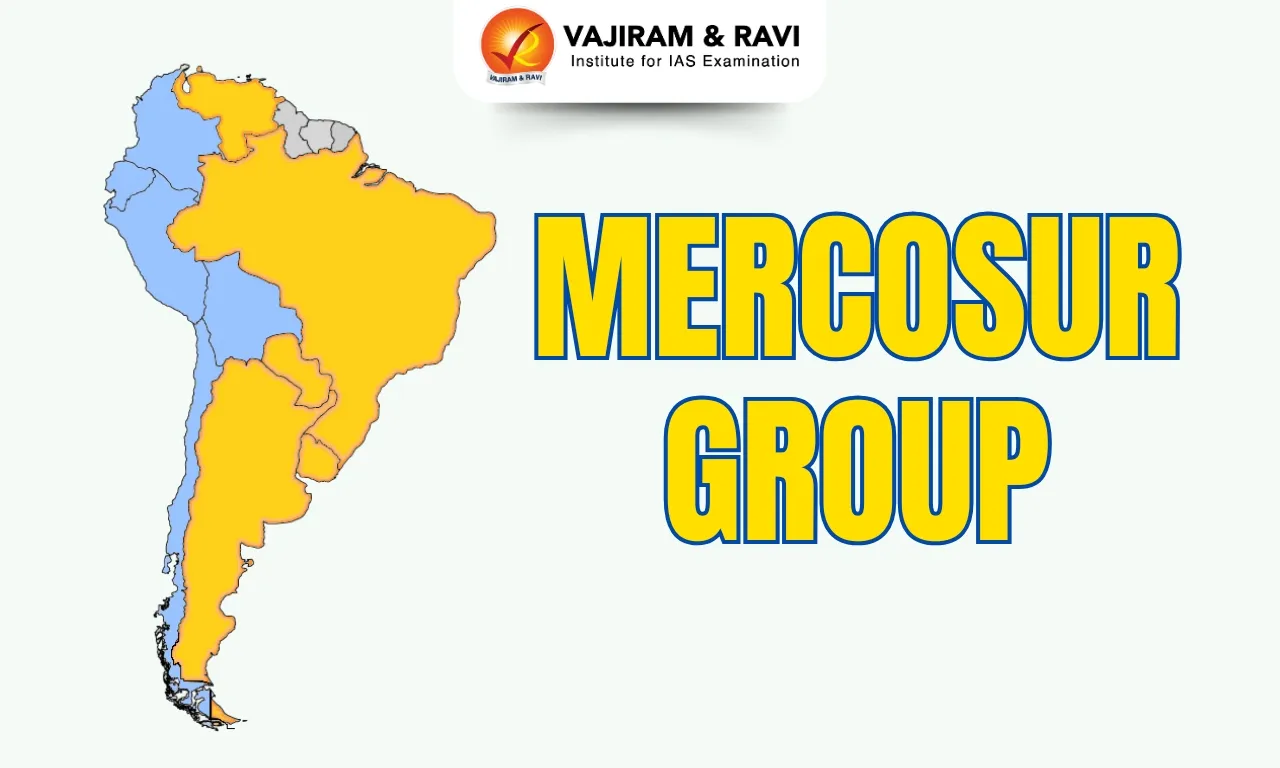
Introduction to Mercosur
Mercosur, or the Southern Common Market, is a significant economic bloc in South America, established in 1991 by Argentina, Brazil, Paraguay, and Uruguay. The agreement aims to promote free trade and the fluid movement of goods, people, and currency among member countries. With recent geopolitical dynamics, the relevance of Mercosur has surged, highlighting the importance of regional cooperation in a globalised economy.
Current Developments
As of late 2023, Mercosur is navigating a challenging international landscape shaped by economic recovery post-COVID-19, inflationary pressures, and ongoing trade negotiations with other global partners, including the European Union. Notably, the bloc has been attempting to finalise an agreement with the EU that has been under negotiation for over two decades, aimed at enhancing mutual access to each other’s markets.
Moreover, debates around environmental concerns and sustainability have influenced Mercosur’s policies. Member states are increasingly pressured to incorporate sustainable practices into their trade agreements, particularly concerning deforestation and carbon emissions. Brazil, as one of the regions significantly affected by deforestation, has been at the forefront of these discussions, navigating the fine line between economic growth and environmental protection.
Challenges Faced by Mercosur
Despite its ambitious goals, Mercosur confronts various challenges. Member nations have differing economic priorities and political ideologies, leading to tensions within the bloc. For instance, recent political shifts in Brazil and Argentina have altered the landscape, creating uncertainty over future policies and cooperation.
Additionally, the internal economies of member states are facing significant inflation, impacting trade dynamics. As global supply chains continue to recover from disruptions experienced during the pandemic, Mercosur’s ability to adapt and respond to these changes will be essential for its survival and relevance.
Conclusion and Future Outlook
The future of Mercosur remains a topic of interest among economists and political analysts. If the bloc can navigate its internal challenges and successfully seal trade agreements with external partners, it could cement its role as a key player in international trade. However, the evolving political and economic landscape may necessitate reforms within Mercosur to enhance integration and coherence among members.
For the citizens of South America, the outcome of Mercosur’s evolution may significantly affect employment opportunities, access to goods, and overall economic growth. Thus, staying informed on this economic alliance and its developments is crucial for understanding the region’s collaboration and potential.