Introduction
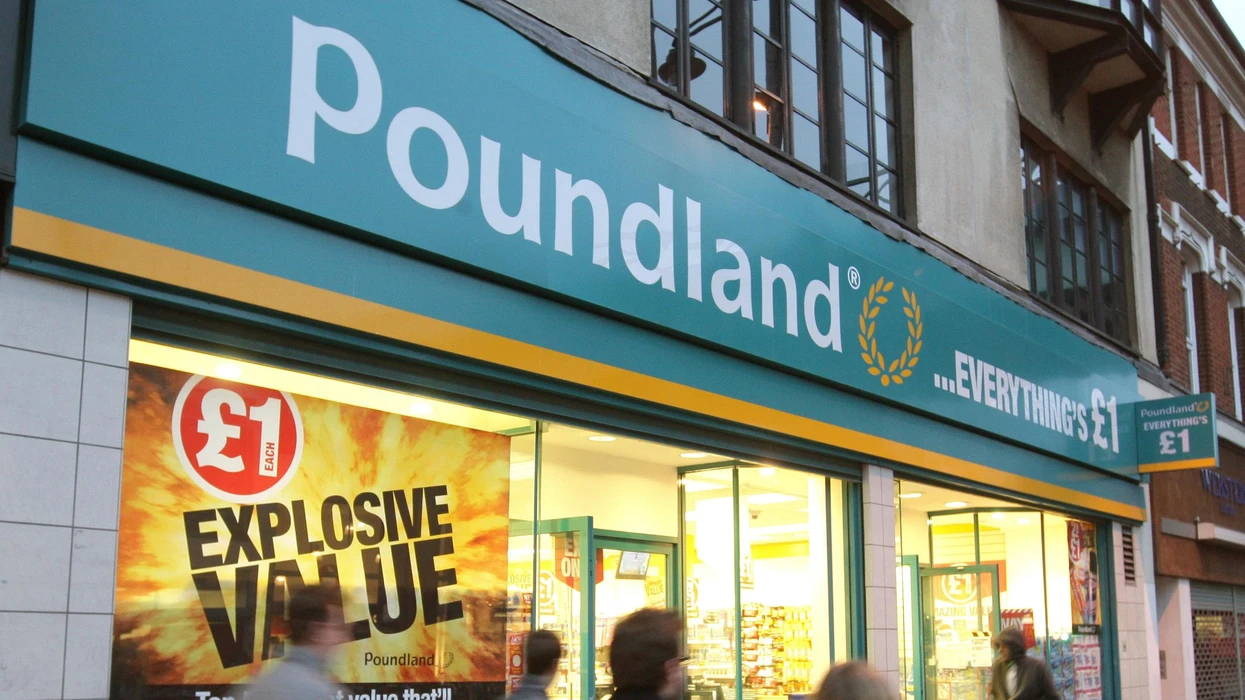
The retail landscape in the UK has seen significant shifts over the past few years, with various high street stores struggling to adapt to changing consumer habits. One notable trend that has emerged is the closure of Poundland stores, which highlights the challenges facing discount retailers. Understanding these closures is crucial for consumers as well as those engaged in the retail industry, raising questions about the future of bargain shopping in the UK.
Recent Developments
As of October 2023, Poundland has announced the closure of several of its locations across the UK, part of a broader realignment strategy aimed at streamlining operations in light of economic pressures. According to company reports, the closures, which affect at least 20 stores this year, are a response to declining footfall and increased competition from online retailers and other discount chains.
Poundland’s parent company, Pepco Group, has stated that while they remain committed to the UK market, they must realign their store portfolio to focus on the most profitable locations. The closures have sparked concerns among employees and local communities dependent on these stores for employment and affordable shopping options.
Implications for Consumers and Communities
The impact of Poundland’s closures reaches beyond just the loss of retail space; it also brings significant implications for shoppers who rely on the convenience of discount stores. These outlets have traditionally offered affordable everyday items, catering to a budget-conscious demographic. With fewer locations, consumers may face longer travelling distances to find similar services, reducing access to low-cost goods.
Communities may feel the effects of these closures economically as well. With local job losses and reduced foot traffic in areas where Poundland operates, there could be a ripple effect on surrounding businesses. Local economies could see a downturn as spending shifts away from these disrupted areas.
Conclusion
Poundland closures serve as a poignant example of the challenges facing the retail sector today. As consumer preferences evolve, businesses must adapt or risk losing ground, highlighting the necessity for retailers to innovate in order to remain relevant. Forecasts suggest that unless needed adjustments are made, further closures may follow across the UK, leaving consumers to seek alternative affordable shopping options. This change, while challenging, could also pave the way for new business models that meet the needs of modern shoppers, reshaping retail in the UK in profound ways.