Introduction
The recent Scottish budget, announced in December 2022, has introduced significant income tax changes that are poised to impact millions of taxpayers across Scotland. As the Scottish Government aims to fund public services and address economic challenges, understanding these changes is crucial for individuals and businesses alike.
Details of the Changes
One of the most notable adjustments in the Scottish budget is the increase in the higher-rate tax threshold. From April 2023, individuals earning above £43,662 will now pay 41% on earnings exceeding this amount, compared to the previous threshold of £43,662. This shift has been introduced to generate additional revenue for public services amidst ongoing economic pressures.
Additionally, the budget preserves the starter rate of 19% for those earning between £12,571 and £14,732, which provides a gradual introduction to income tax for lower earners, ensuring that the least wealthy individuals continue to benefit from a lower tax rate. The new budget also maintains the basic rate of 20% for income earned between £14,732 and £25,688.
Implications for Taxpayers
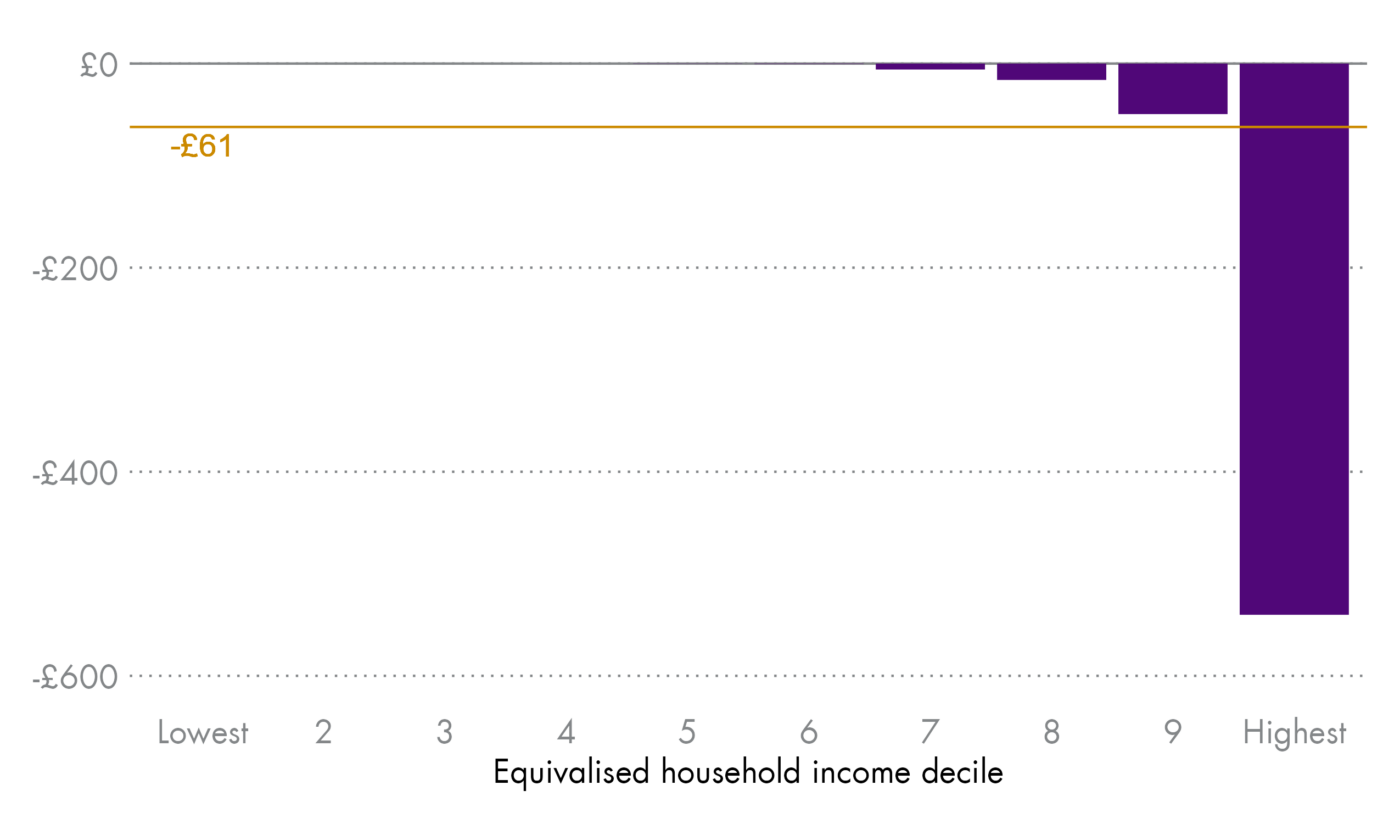
The income tax changes are expected to affect the disposable income of many Scots, with higher earners facing an increased tax burden. The Scottish Government has defended these measures by asserting that they are necessary for funding critical services, particularly in health and education sectors. In contrast, some critics argue that these changes may discourage higher earners from living and working in Scotland, potentially impacting economic growth.
Economic Impact
The revisions to the income tax structure come at a time when Scotland is dealing with substantial economic challenges, including rising inflation and increasing public sector costs. The government anticipates that these tax changes will raise an estimated £300 million in additional funding, which can be allocated towards public projects and essential services. Analysts suggest that the effectiveness of these changes will depend significantly on the government’s ability to manage public spending and deliver services efficiently.
Conclusion
As the April implementation date approaches, individuals and businesses must prepare for the implications of the new Scottish budget income tax changes. While the intention behind these adjustments is to support public funding, they also present challenges that could influence the socioeconomic landscape of Scotland. Observers will be closely monitoring the outcomes of these changes, assessing their overall effect on both public services and economic growth as the fiscal year progresses.