Introduction
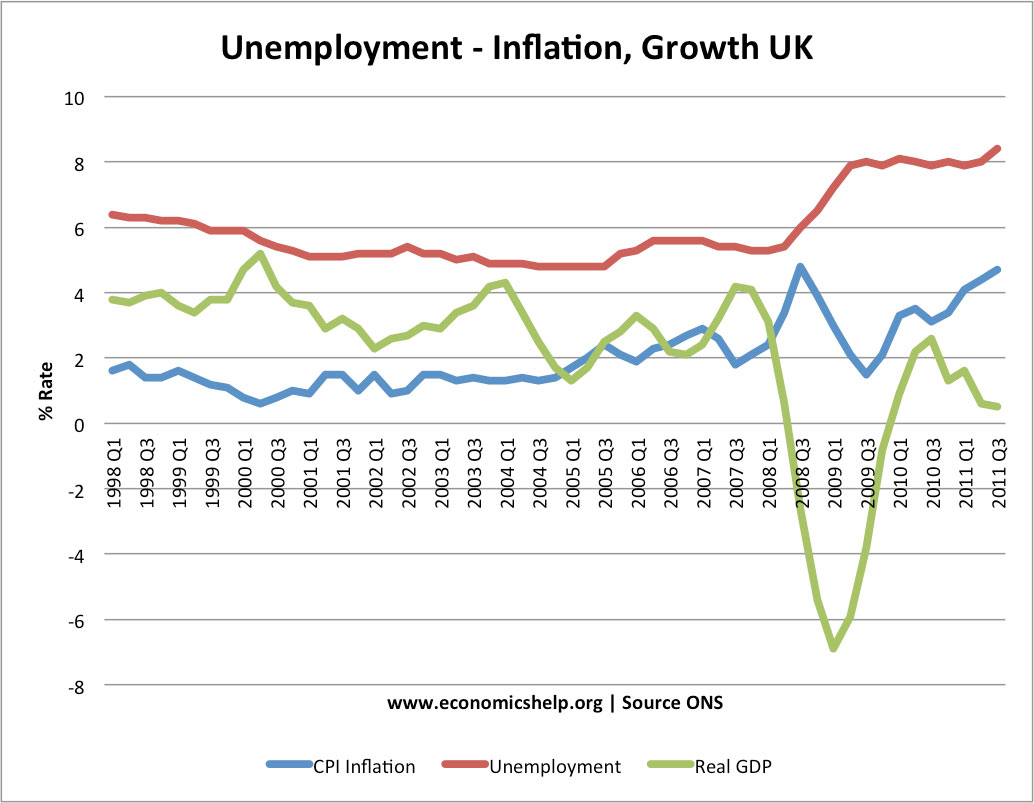
The UK unemployment rate is a crucial economic indicator that reflects the health of the labour market. Tracking the unemployment rate is vital for understanding economic stability, as it affects consumer spending, business investment, and overall economic growth. In the wake of the COVID-19 pandemic, high inflation rates, and ongoing challenges in the job market, the unemployment rate has become a focal point for policymakers and economists alike.
Current Statistics
As of the latest report released in October 2023, the UK’s unemployment rate stands at 4.2%, maintaining a steady position from the previous quarter. This figure is a slight reduction from earlier in the year, indicating a rebound in job creation across various sectors. The Office for National Statistics (ONS) has attributed this positive trend to increased hiring in the service sectors, particularly in hospitality and healthcare, alongside robust retail performance.
Sectoral Insights
Employment growth has been particularly evident in the hospitality industry, which saw an influx of jobs as restrictions eased and consumer demand surged during the summer months. The healthcare sector also remains a significant contributor, buoyed by ongoing recruitment efforts in response to public health needs. However, some sectors continue to face challenges; manufacturing and construction, for instance, have reported difficulties in securing skilled labour, which poses risks for growth.
Impact of Economic Factors
Despite the encouraging unemployment figures, several economic factors threaten to destabilise this progress. The ongoing cost-of-living crisis, driven by rising energy prices and inflation, has created uncertainty. Many households are tightening their budgets, potentially affecting consumer spending patterns. Additionally, the Bank of England’s recent interest rate hikes aim to tackle inflation, which may have implications for employment as businesses adjust to higher borrowing costs.
Conclusion
In conclusion, while the current UK unemployment rate of 4.2% reflects a recovering job market, it is essential to remain vigilant regarding the underlying economic conditions. The interplay of inflation, interest rates, and sector-specific challenges will be critical in shaping future employment trends. Policymakers are encouraged to monitor these developments closely to implement timely interventions that can support stable job growth across the economy. As we move forward, the resilience of the labour market will play a fundamental role in the UK’s economic recovery trajectory.