Introduction
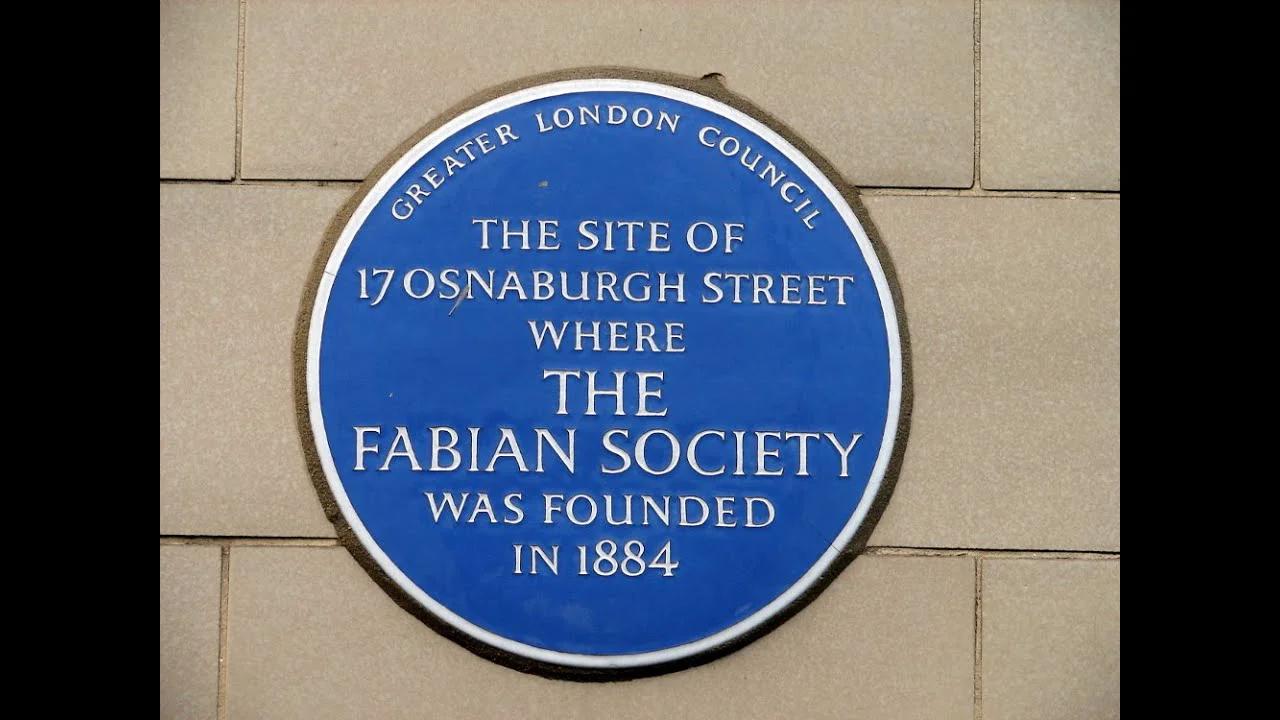
The Fabian Society has long been an influential think tank within British politics, known for its progressive ideas and social reform initiatives. Founded in 1884, it aims to promote socialism in a gradual, evolutionary manner as opposed to the revolutionary approach adopted by other socialist groups. Understanding the Fabian Society is crucial for grasping the development of both the Labour Party and contemporary left-wing politics in the UK.
Historical Background
The Fabian Society was established during a period of economic inequality and social unrest. It emerged from the need for a more measured and intellectual approach to socialism. Key figures such as George Bernard Shaw, H.G. Wells, and Beatrice Webb were pivotal in shaping its doctrines, promoting ideas that would later influence key social reforms in Britain.
Key Contributions and Ideas
Throughout its history, the Fabian Society has been instrumental in various social projects, especially in the establishment of the National Health Service and the welfare state. The society is best known for the concept of ‘Fabianism’, which advocates for democratic socialism through gradual reforms rather than sudden upheavals. Their famous slogan, ‘The Dawn of Socialism’, reflected their optimism towards gradual societal transformation.
In addition to political reform, the society has placed significant emphasis on education and critical discourse, producing numerous pamphlets and publications aimed at popularising socialist ideas among the public and policymakers alike.
Modern Relevance
In recent years, the Fabian Society has continued to evolve, addressing contemporary issues such as climate change, income inequality, and the future of work. The society has created a platform for modern thinkers to develop comprehensive policy proposals that cater to today’s challenges, demonstrating that its foundational ideas remain relevant.
Conclusion
The Fabian Society’s long-standing commitment to gradual social change and reform has made a significant impact on British political life. As we move further into the 21st century, its focus on progressive policies and intellectual discourse continues to resonate. For readers interested in the development of social democracy, the society serves as an essential part of the conversation on how to achieve a fairer and more equitable society. Understanding the Fabian Society not only sheds light on its past contributions but also on its potential future influence in shaping progressive politics in Britain.