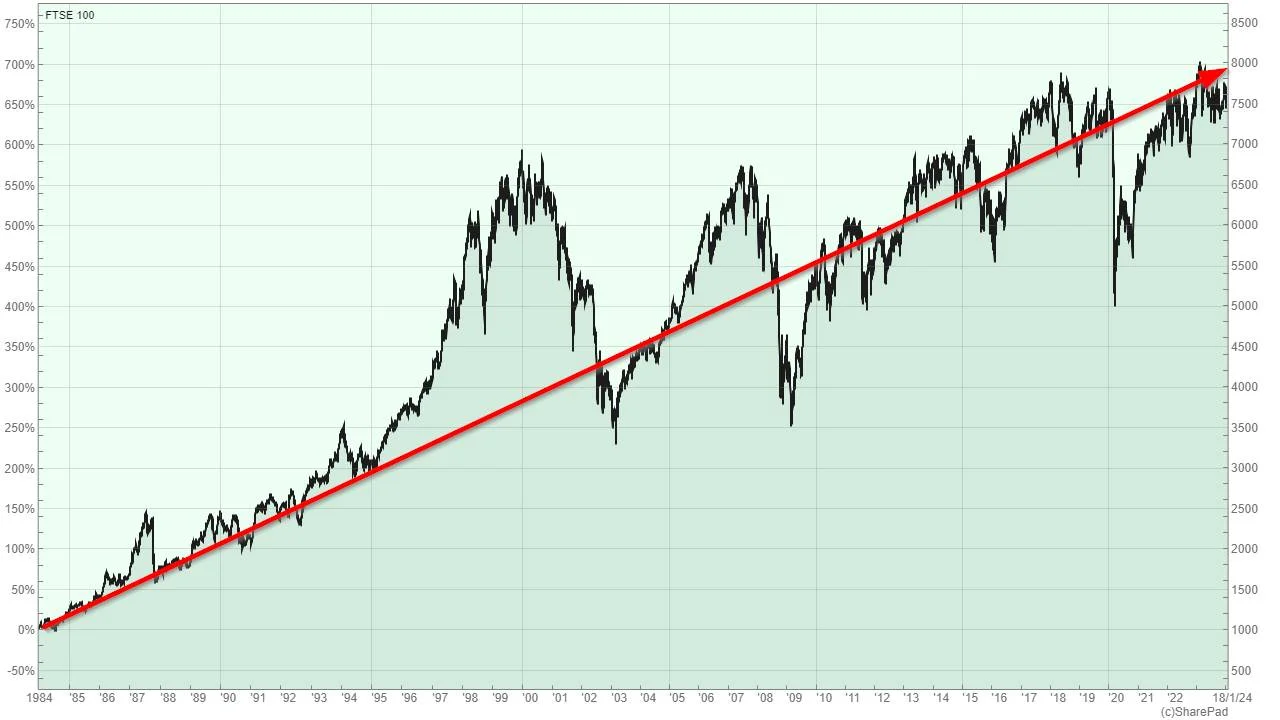
Introduction to the FTSE 100
The FTSE 100, or Financial Times Stock Exchange 100 Index, serves as a crucial barometer for the performance of the UK stock market. Comprising the largest 100 companies on the London Stock Exchange, its performance is closely monitored by investors, analysts, and policymakers as an indicator of economic health. Recent events in global markets, including inflation rates, political shifts, and economic recovery post-pandemic, highlight the FTSE 100’s relevance in today’s financial landscape.
Recent Performance and Trends
As of October 2023, the FTSE 100 has shown resilience despite global economic challenges. Analysts note a steady growth trajectory, with the index hovering around 7,500 points, which is a significant recovery from its lows experienced during the pandemic. This growth can be attributed to various factors, including a rebound in consumer spending, strong corporate earnings, and the easing of supply chain disruptions.
In recent weeks, several key companies within the FTSE 100 have reported robust quarterly earnings, which bolstered investor confidence. Notably, firms in the energy and banking sectors have seen substantial gains, driven by fluctuations in oil prices and increasing interest rates, respectively. This diversified growth among sectors underlines the index’s stability.
Impact of Economic Indicators
The performance of the FTSE 100 can also be influenced by several economic indicators. The Bank of England’s latest interest rate decisions are pivotal, with the potential changes expected to impact borrowing costs and consumer spending. Additionally, developments such as Brexit negotiations seem to continue playing a role in investor sentiment, making it crucial for stakeholders to stay informed about political developments.
Moreover, inflation remains a concerning issue. Recent data indicates that inflation rates are stabilising but remain a factor to watch as they can affect consumer purchasing power and consequently the performance of businesses listed on the index.
Conclusion and Future Outlook
In conclusion, the FTSE 100 remains a significant measure of the UK’s economic performance, reflecting broader market trends and investor sentiment. With ongoing challenges such as inflation and geopolitical uncertainties, analysts are cautiously optimistic about the index’s direction. The expectation is that, as long as corporate earnings remain strong and consumer confidence improves, the FTSE 100 could continue its upward trend into 2024.
For investors and observers alike, understanding the dynamics of the FTSE 100 is essential for navigating the complexities of the financial market. As we advance, keeping an eye on the index will provide insights into the health of the UK economy.