Introduction
The case of Kyle Rittenhouse has drawn significant attention and ignited debates across the United States and beyond. Rittenhouse, a young man who became infamously known for his actions during protests in Kenosha, Wisconsin, in August 2020, has raised important discussions surrounding self-defence, gun rights, and the way justice is administered in modern society. This polarizing case continues to hold relevance as it touches upon fundamental issues that resonate globally, including law enforcement’s role, civil unrest, and the implications of a divided society.
The Events Surrounding Rittenhouse
In the wake of the George Floyd protests, Rittenhouse, 17 at the time, travelled from his home in Illinois to Kenosha, where protests were occurring against police brutality. During these protests, he was involved in a confrontation that resulted in the shooting deaths of two individuals and injuring another. His subsequent arrest and trial became a focal point for discussions on gun laws and the right to bear arms in the United States.
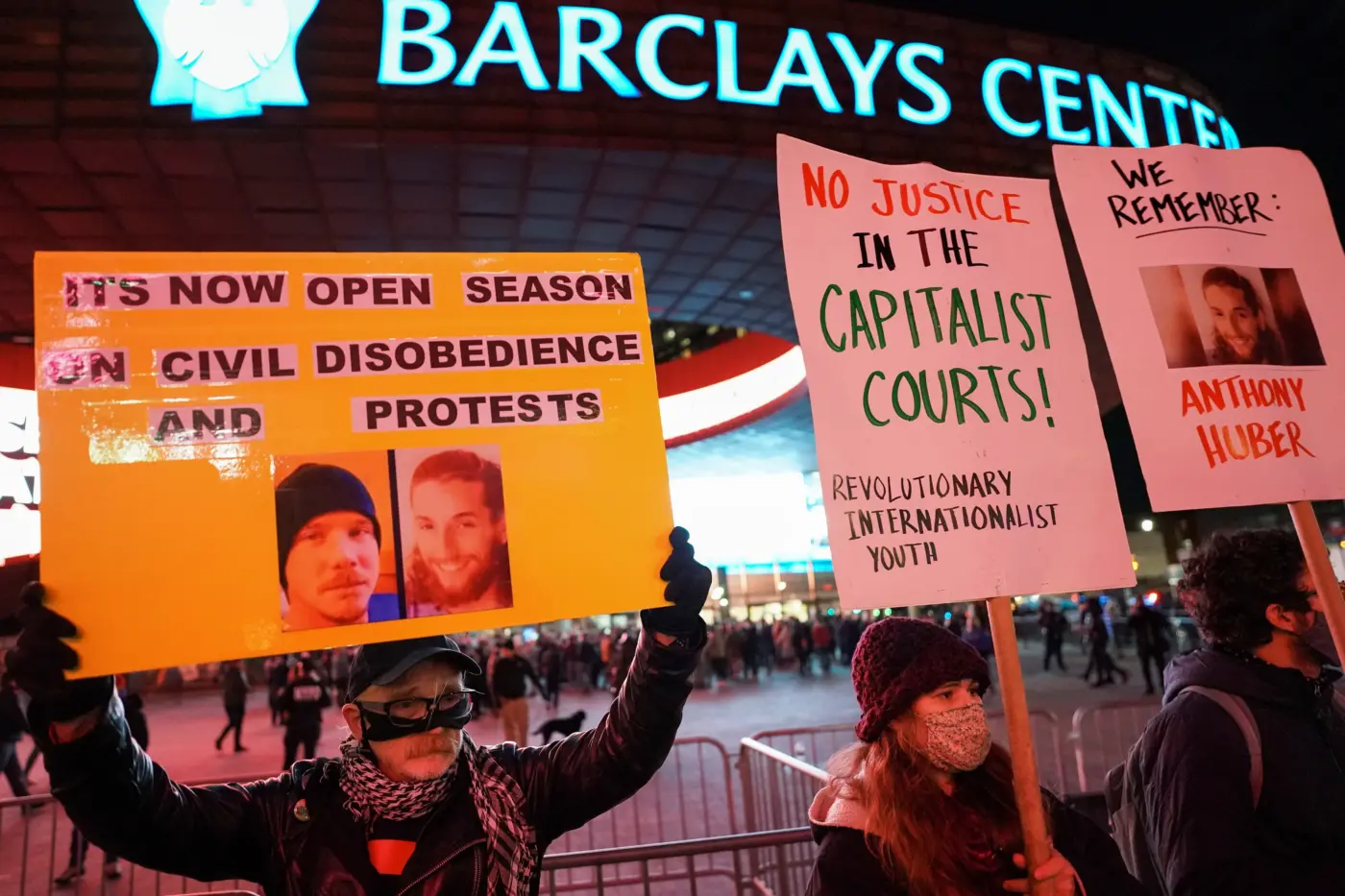
In November 2021, Rittenhouse was acquitted of all charges, which sparked a wave of reactions across the political spectrum. Supporters lauded the verdict, seeing it as a triumph of the Second Amendment rights, while critics expressed concern over the implications of the ruling, fearing it could encourage vigilantism.
Legal and Social Ramifications
The Rittenhouse trial has highlighted critical issues related to self-defence laws, particularly the interpretation of ‘imminent threat.’ Law experts argue that the case challenges conventional legal boundaries and puts into question how self-defence is viewed within the judicial system. Furthermore, the case has highlighted the broader implications for gun legislation in the United States, potentially influencing future legal precedents.
Moreover, the case has raised questions about societal responses to civil unrest and how individuals perceive their rights when confronted with violence. This incident not only affected those directly involved but radiated to national and international communities where issues of race, justice, and rights continue to unfold.
Conclusion
As the Kyle Rittenhouse case continues to resonate, it offers a stark window into the current socio-political climate. The implications of the trial extend beyond its immediate outcomes, as it shapes ongoing discussions about legal standards, personal freedoms, and the consequences of protests in an increasingly polarised world. Observers can expect these conversations to evolve, potentially influencing future discussions around gun rights and civic responsibility, not just in the United States but around the globe. For readers, understanding these ramifications fosters a broader perspective on the challenges societies face while balancing individual rights and collective safety.