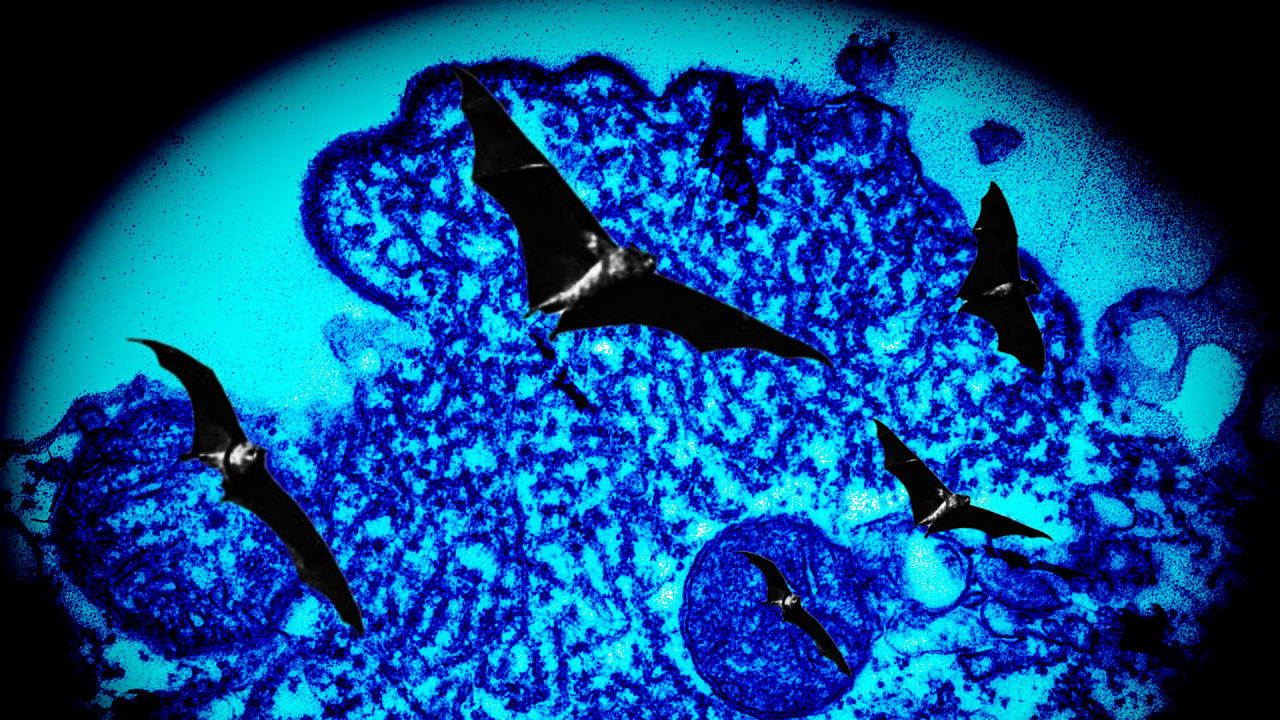
Introduction to the Nipah Virus
The Nipah virus is a zoonotic disease that poses significant public health risks, with outbreaks primarily occurring in South and Southeast Asia. Given its potential for high fatality rates and rapid transmission among humans, understanding the Nipah virus is crucial, especially as global travel increases and the threat of emerging infectious diseases looms larger.
Current Situation and Outbreaks
As of October 2023, India has reported a rising number of Nipah virus cases, particularly in the southern state of Kerala. The first cases were confirmed in late September, with health authorities now monitoring over 100 individuals who had contact with infected patients. This outbreak has raised alarms due to the high mortality rate associated with the virus, which ranges from 40% to 75% in reported cases. The Indian government has activated emergency response protocols, including contact tracing and community awareness programs, to curb the virus’s spread.
Transmission and Symptoms
The Nipah virus is primarily transmitted through direct contact with infected bats or pigs and through contaminated food or surfaces. Symptoms in humans typically manifest as fever, headache, dizziness, and, in severe cases, encephalitis, leading to death. The rapid onset and severe symptoms can quickly escalate, prompting immediate medical attention and isolation of cases.
Preventive Measures
In light of the ongoing outbreak, health officials stress the importance of adhering to preventive measures, including avoiding contact with sick animals, practicing good hygiene, and staying updated on health advisories issued by local authorities. Vaccination for humans is still in development and remains unavailable; therefore, public education on recognizing symptoms and seeking timely medical assistance is paramount.
Conclusion and Future Outlook
The Nipah virus outbreak highlights the continued need for vigilance in public health, particularly in regions where zoonotic diseases are prevalent. As authorities work to contain the current outbreak, ongoing research and preparedness initiatives are essential to mitigate future risks. The significance of maintaining global surveillance on zoonotic pathogens cannot be overstated, as it plays a vital role in preventing and controlling potential pandemics. For the public, staying informed and proactive in health measures will be crucial as we navigate this emerging threat.