Introduction
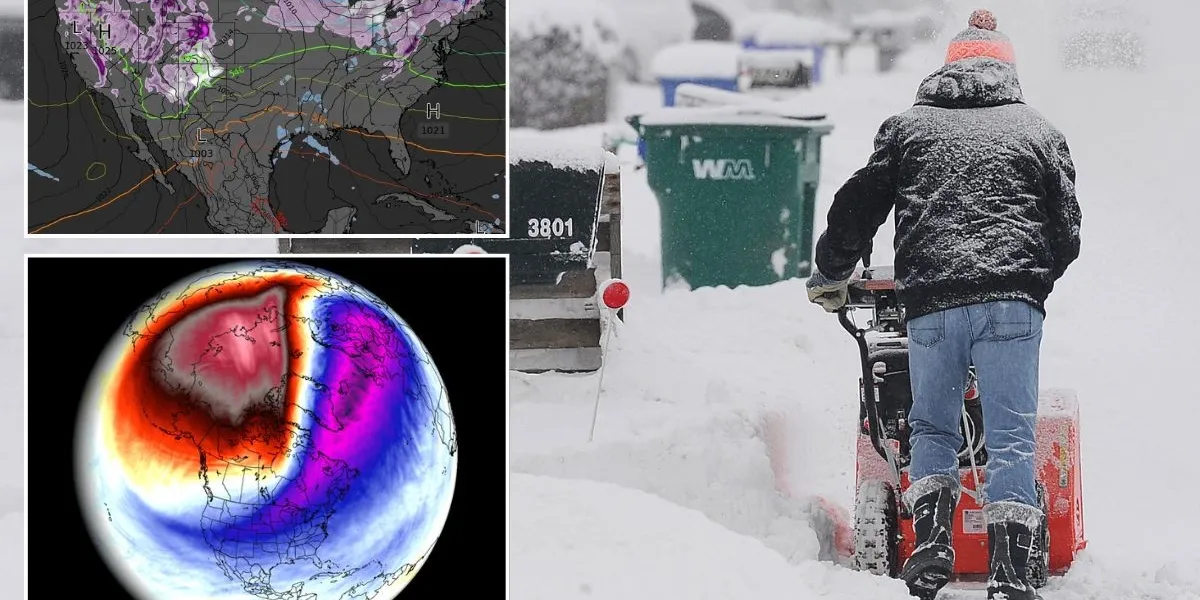
The polar vortex is a large area of low pressure and cold air surrounding the Earth’s poles, playing a crucial role in weather patterns, particularly during winter. Its behaviour can significantly influence meteorological events across the globe. Recently, meteorologists have begun to highlight forecasts regarding the potential collapse of the polar vortex, raising concerns about possible extreme weather conditions in various regions.
Current Forecasts and Developments
Recent forecasts by climate scientists indicate a higher probability of polar vortex disruptions during the upcoming winter season. This phenomenon is often associated with sudden stratospheric warming (SSW), which can lead to a displacement or even collapse of the polar vortex. According to the European Centre for Medium-Range Weather Forecasts (ECMWF), early indications show warm air pushing towards the Arctic, potentially impacting the stability of the vortex.
The National Oceanic and Atmospheric Administration (NOAA) suggests that this collapse could result in unusually cold temperatures plunging southward, affecting North America and parts of Europe. Such conditions could lead to severe winter weather events, including intense snowfall and prolonged cold spells. Historical data indicates that years following a polar vortex collapse often experience harsh winters, which could be a concern for regions already facing climate-related challenges.
The Impacts of a Polar Vortex Collapse
If the polar vortex does collapse, the implications could be widespread. Communities in the Northern Hemisphere may experience extreme cold, which can disrupt transportation systems, increase heating demands, and create hazardous living conditions. Farmers may face challenges from frost damage to crops, while families may encounter rising energy bills due to higher heating needs.
Future Observations
Experts are monitoring the situation closely, with advanced weather modelling helping to predict the likelihood and timing of any potential collapse. Although it is still early in the season, the data suggests an event might be forthcoming. As we move towards winter, ongoing assessments will provide a clearer picture of how the polar vortex behaves this year and the potential ramifications for global weather patterns.
Conclusion
The forecast for a polar vortex collapse is a critical area of study for meteorologists, particularly as it relates to seasonal weather outcomes. Residents across the hemisphere should stay informed about evolving forecasts, as understanding these changes can help better prepare for the winter ahead. As climate change continues to impact weather systems, researchers will strive to predict these phenomena with greater accuracy, helping governments and communities address the challenges posed by extreme winter weather.