Introduction
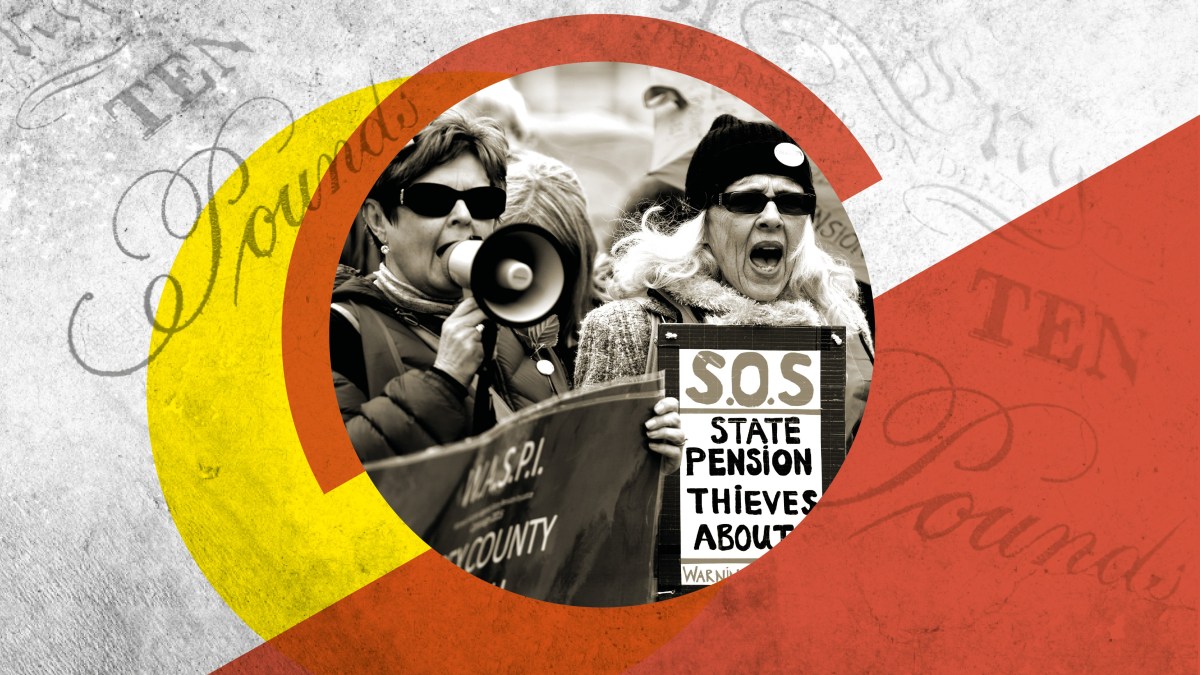
The WASPI (Women Against State Pension Inequality) campaign has gained significant attention in the UK, as it seeks to address the inequalities faced by women born in the 1950s regarding their state pension rights. With changes in pension laws that have led to delayed retirement ages for many women, the issue is not only relevant but critical, demanding attention from lawmakers and the public alike. As more women find themselves financially disadvantaged, it raises essential questions about gender equality in pension systems and the social contract between the state and its citizens.
Background of the WASPI Campaign
Launched in 2015, the WASPI movement erupted in response to the 2011 increase in the state pension age for women from 60 to 66, which disproportionately affected those born between April 1950 and December 1959. As a result, an estimated 3.8 million women experienced sudden financial insecurity due to insufficient notice of the changes. Many of these women, who had based their retirement plans on the original pension age, are now being unfairly disadvantaged.
Current Developments
In recent months, the WASPI campaign has garnered fresh momentum, particularly as several parliamentary discussions have highlighted the struggles faced by these women. Campaigners are urging the government to consider transitional arrangements that could alleviate the financial burdens on those affected. The ongoing cost-of-living crisis has compounded their plight, turning the spotlight on the urgent need for policy reform.
Government’s Response
Despite the growing public support, the government has been resistant to revisiting the pension age reforms. The Department for Work and Pensions has stated that changes are unlikely due to the current financial pressures on the economy. Nevertheless, this stance faces increasing scrutiny, as the principles of fairness and equality echo louder through society.
Conclusion
The WASPI campaign highlights the critical issues at the intersection of gender equality and social justice within the UK’s pension system. As discussions continue, it is essential for both policymakers and the public to consider the broader implications of pension reforms on women and future generations. With persistent advocacy, there is hope that the government will reevaluate its position, creating a fairer pension system that acknowledges and rectifies past injustices.