Introduction
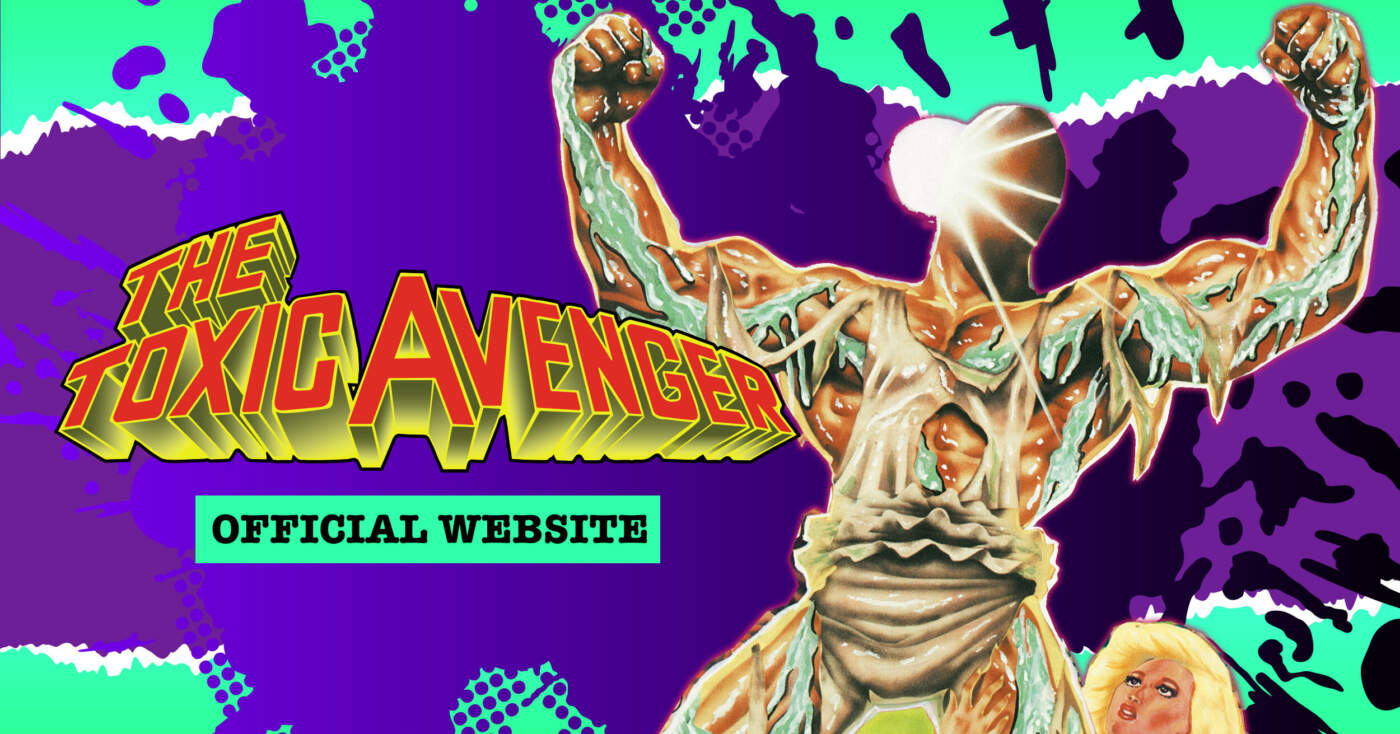
The Toxic Avenger has become an iconic figure in pop culture since its debut in the 1984 film directed by Michael Herz and Lloyd Kaufman. Known for its unique blend of horror, comedy, and camp, the film quickly gained a dedicated following, establishing a franchise that includes sequels, an animated series, and even a forthcoming reboot. The relevance of The Toxic Avenger today lies not only in its entertainment value but also in its underlying social commentary about environmentalism, bullying, and the traditional hero archetype.
The Film’s Impact and Cultural Significance
Upon its release, The Toxic Avenger received mixed reviews but gradually grew in stature within the independent film community. The film tells the story of Melvin Ferd, an awkward young man who, after being subjected to a series of humiliating pranks, falls into a vat of toxic waste and transforms into a superhero with grotesque features and superhuman abilities. The film was unique for its time in blending graphic violence with absurd humour, making a bold statement on societal issues.
In the film, environmental themes are prevalent, as it critiques pollution and its effects on human life. Toxie, the eponymous hero of the series, embodies the fight against corporate greed and ecological neglect, resonating with contemporary audiences who are increasingly concerned about climate change and corporate irresponsibility.
Franchise Development and Legacy
The success of The Toxic Avenger led to several sequels, including “The Toxic Avenger Part II” and “Part III: The Last Temptation of Toxie,” both released in the late 1980s. These sequels retained the original’s campy style while expanding the franchise’s reach. In the early 1990s, an animated television series aimed at children further diversified the series’ appeal, enabling a younger audience to engage with Toxie’s brand of justice.
Recently, a new reboot of The Toxic Avenger has been announced, produced by Legendary Entertainment, with actor Peter Dinklage set to star. This move has reignited interest in the franchise and highlights its lasting impact on film and culture. As the reboot approaches, it is clear that The Toxic Avenger remains a touchstone for discussions around social justice, environmental awareness, and the evolution of the superhero genre.
Conclusion
The Toxic Avenger stands as a testament to the power of niche cinema and its ability to influence society. Its combination of horror and comedy, coupled with poignant messages, has allowed it to endure for decades. As new adaptations emerge, fans old and new will likely revisit the film’s distinct charm and relevant themes. The legacy of The Toxic Avenger continues to inspire discussions on heroism, accountability, and the importance of standing against societal wrongs, making it a quintessential piece of modern cult cinema.