Background of the Vietnam War
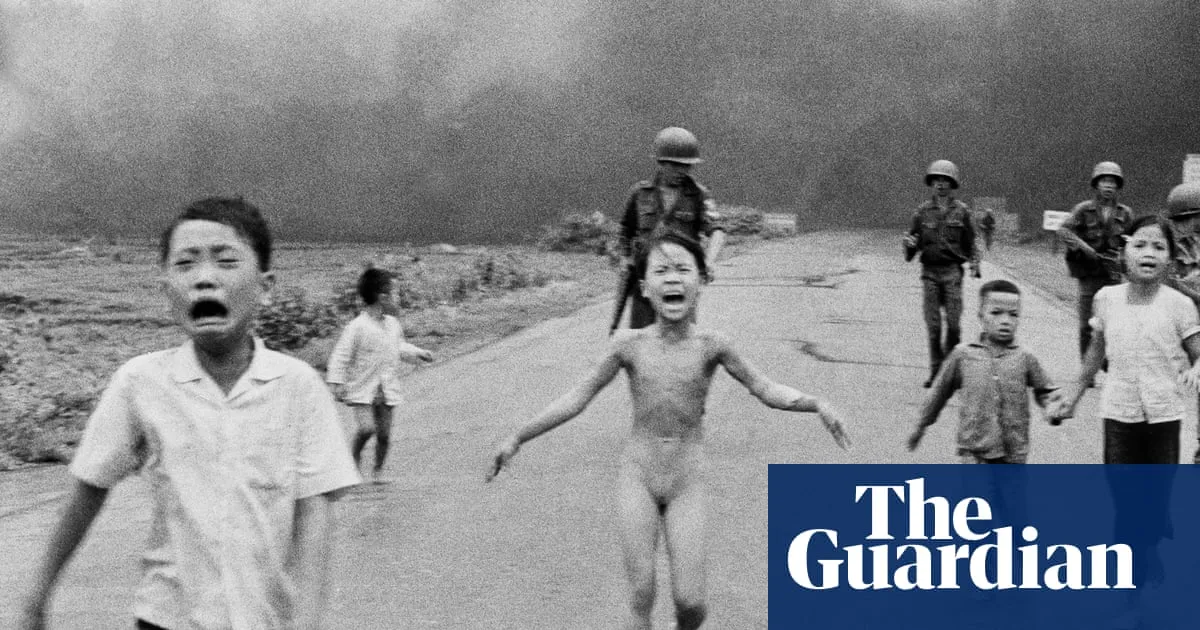
The Vietnam War was marked by significant public opposition and protests, particularly in response to images of violence and brutality. One of the most iconic images from this conflict is the photograph known as ‘Saigon Execution,’ taken by Associated Press photographer Eddie Adams in 1968. This powerful image depicts the execution of prisoner Nguyen Van Lem by Brig. Gen. Nguyen Ngoc Loan and contributed to growing public disapproval of the war in the United States.
The Vietnam War, which lasted from the late 1950s until 1975, was characterized by a shift in U.S. military strategy. Initially, the focus was on ‘winning hearts and minds’ of the Vietnamese people, but this approach transitioned to a more aggressive ‘search and destroy’ strategy. This shift was accompanied by tragic events such as the My Lai Massacre on March 16, 1968, where approximately 500 innocent civilians were killed, further fueling anti-war sentiment.
Media’s Role in Shaping Public Opinion
Media coverage played a crucial role in shaping public perception of the Vietnam War. Walter Cronkite, a prominent news anchor, famously declared in February 1968 that the U.S. was ‘mired in stalemate’ in Vietnam, a statement that resonated deeply with the American public. The impact of such reporting was profound, as it highlighted the grim realities of the war and contributed to the growing opposition.
In a similar vein, the Kent State shootings on May 4, 1970, where four students were killed by the Ohio National Guard, further intensified protests against the war. The shocking nature of these events, coupled with the graphic imagery associated with the conflict, galvanized a generation to speak out against U.S. involvement in Vietnam.
Legacy and Contemporary Parallels
The legacy of the Vietnam War continues to influence American society and policy today. Recently, parallels have been drawn between the Trump administration’s immigration policies and tactics used during the Vietnam War. Critics have noted that aggressive tactics employed by ICE and Customs and Border Patrol bear resemblance to the military strategies of the Vietnam era. Stephen Miller, a senior advisor during the Trump administration, confirmed a quota of 3,000 arrests of undocumented immigrants per day, which has been likened to a body count strategy.
Roseann ‘Chic’ Canfora, an anti-Vietnam War activist, remarked on the eerie parallels between past and present, stating, “There is an eerie parallel between what Nixon did to brand our anti-Vietnam War movement as something organized by communists and what we’re seeing here with Trump’s claims.” This reflection underscores how the historical context of the Vietnam War continues to resonate in contemporary discussions about civil rights and government policy.
Reflections on the Impact of the Vietnam War
As the nation reflects on the Vietnam War, the impact of public opposition remains a significant part of its legacy. The war ended largely due to widespread disapproval of the cost in lives and taxpayer money, a sentiment that continues to inform public discourse on military engagements. The haunting images and stories from that era serve as a reminder of the consequences of war and the importance of accountability in governance.
As the nation grapples with its past, the lessons learned from the Vietnam War are more relevant than ever. The ongoing dialogue about immigration policies and civil rights echoes the struggles faced during the Vietnam era, emphasizing the need for vigilance and advocacy in the pursuit of justice and equality. The Vietnam War may have ended decades ago, but its legacy continues to shape the American landscape in profound ways.