Introduction
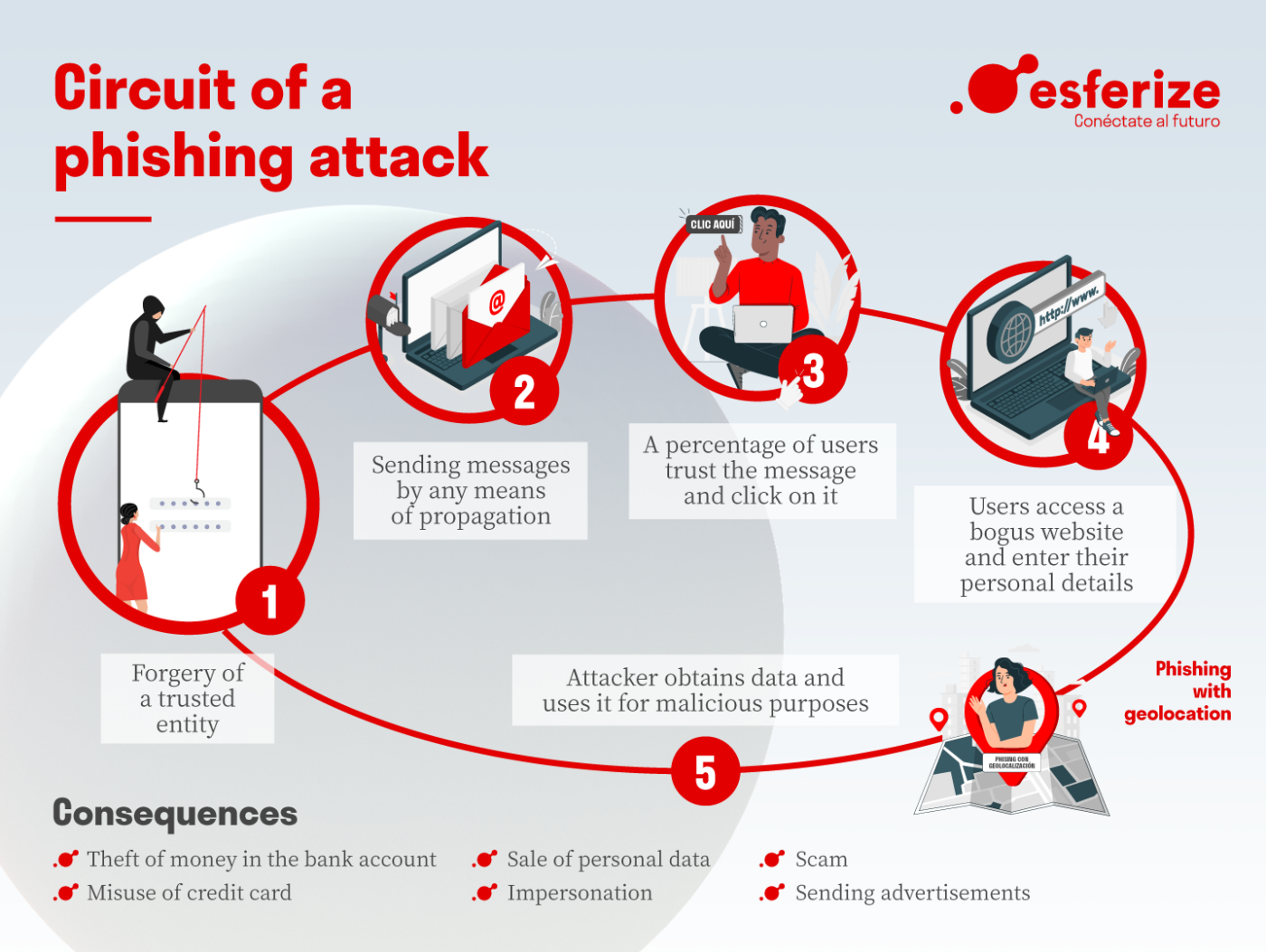
In today’s digital age, phishing has become one of the most prevalent cyber threats that individuals and organizations face. Phishing refers to fraudulent attempts to obtain sensitive information such as usernames, passwords, and credit card details by disguising as a trustworthy entity in electronic communications. Understanding phishing is crucial as it can lead to identity theft, financial loss, and breach of personal privacy.
What Exactly Is Phishing?
Phishing typically occurs through email, social media, or instant messaging, where cybercriminals create deceptive messages designed to lure recipients into revealing confidential information. Phishing schemes can vary in complexity, from easily identifiable scams with glaring errors to highly sophisticated communications that closely mimic legitimate businesses. Security experts have detected an alarming rise in phishing attacks, especially following the COVID-19 pandemic, where many individuals and companies shifted to remote work.
Types of Phishing
- Email Phishing: The most common form, which involves unsolicited emails that may contain malicious links or attachments.
- Spear Phishing: Targeted phishing aimed at specific individuals or companies, often tailored with personal details to appear legitimate.
- Whaling: A form of spear phishing that targets high-profile individuals like executives and senior management.
- Vishing: Voice phishing using phone calls to trick individuals into providing sensitive information.
- Smishing: SMS phishing that conveys deceptive messages through text messages.
How to Recognise Phishing Attempts
Phishing attempts can often be identified by certain signs. Look out for poor spelling and grammar, unsolicited requests for sensitive information, urgent calls to action, and suspicious links. It is advisable to hover over links before clicking and to verify the sender’s email address for any discrepancies.
Conclusion
As cyber threats continue to evolve, understanding phishing is more critical than ever. Protecting yourself requires a combination of vigilance and technology. Implementing multi-factor authentication, using strong passwords, and employing security software can significantly reduce the risk of falling victim to phishing. As individuals become more educated on the tactics used by cybercriminals, the digital landscape can become safer for all.