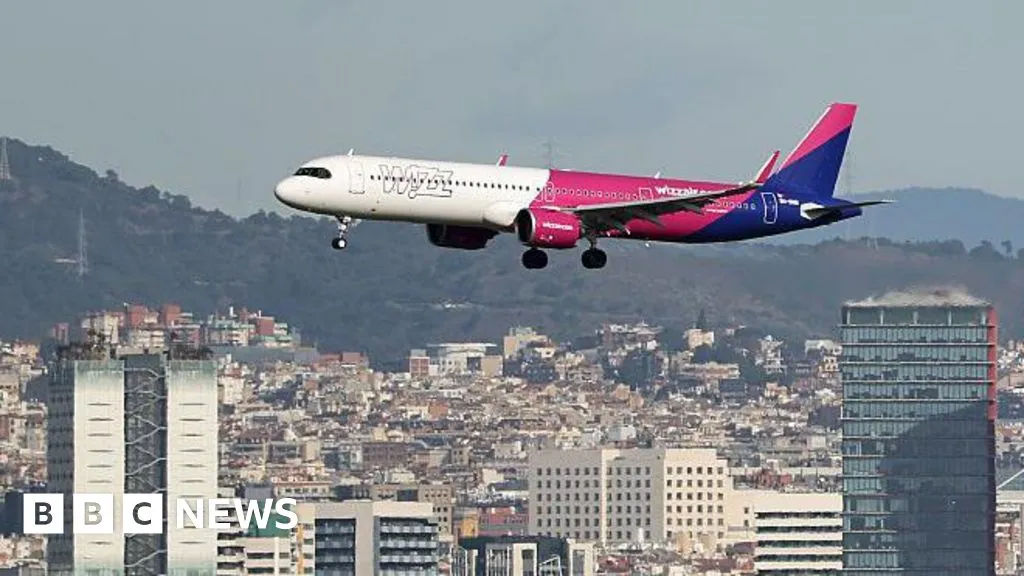
In a bold response to claims made by Ryanair’s chief, József Váradi, the CEO of Wizz Air, confidently dismissed suggestions that his airline might face bankruptcy. He highlighted the company’s robust fuel hedging strategy and operational stability as critical assets in navigating the challenges posed by rising fuel prices.
The airline industry has been grappling with fluctuating jet fuel costs, particularly exacerbated by ongoing geopolitical tensions such as the conflict in Iran, which has disrupted oil shipments through the Strait of Hormuz. This situation has led to concerns about potential bankruptcies among European airlines.
Váradi stated that Wizz Air has hedged 70% of its fuel needs for the summer, allowing the company to secure a price of just $700 per metric ton of jet fuel. This contrasts sharply with the market price of around $1,700 at the time of his remarks. “I don’t think we’re going to be running out of fuel,” he assured stakeholders.
Despite these reassurances, Michael O’Leary, Ryanair’s chief executive, warned that if oil prices remain high, two or three European airlines could face bankruptcy. He specifically mentioned Wizz Air among those at risk. However, Váradi countered O’Leary’s assertions as “flatly untrue and false,” reinforcing his belief in Wizz Air’s financial health.
Key statistics supporting Wizz Air’s position:
- The airline expects its summer schedule to be 17% larger than last year.
- Wizz Air has a liquidity ratio exceeding that of Ryanair, boasting cash reserves of €2 billion.
- The airline’s Chief Commercial Officer reported that they have hedged 86%, 71%, and 61% of their fuel needs across Q1, Q2, and Q3 2026 respectively.
Looking ahead, analysts remain cautious about the airline industry’s future amidst uncertain fuel prices. While Váradi expresses optimism about Wizz Air’s resilience and growth potential, observers are keenly aware that external factors can swiftly alter the landscape for all airlines.
The ongoing situation illustrates a broader tension within the European aviation sector as companies navigate the dual pressures of operational costs and competitive dynamics. The outcome will depend significantly on how effectively each airline manages its resources in this volatile environment.