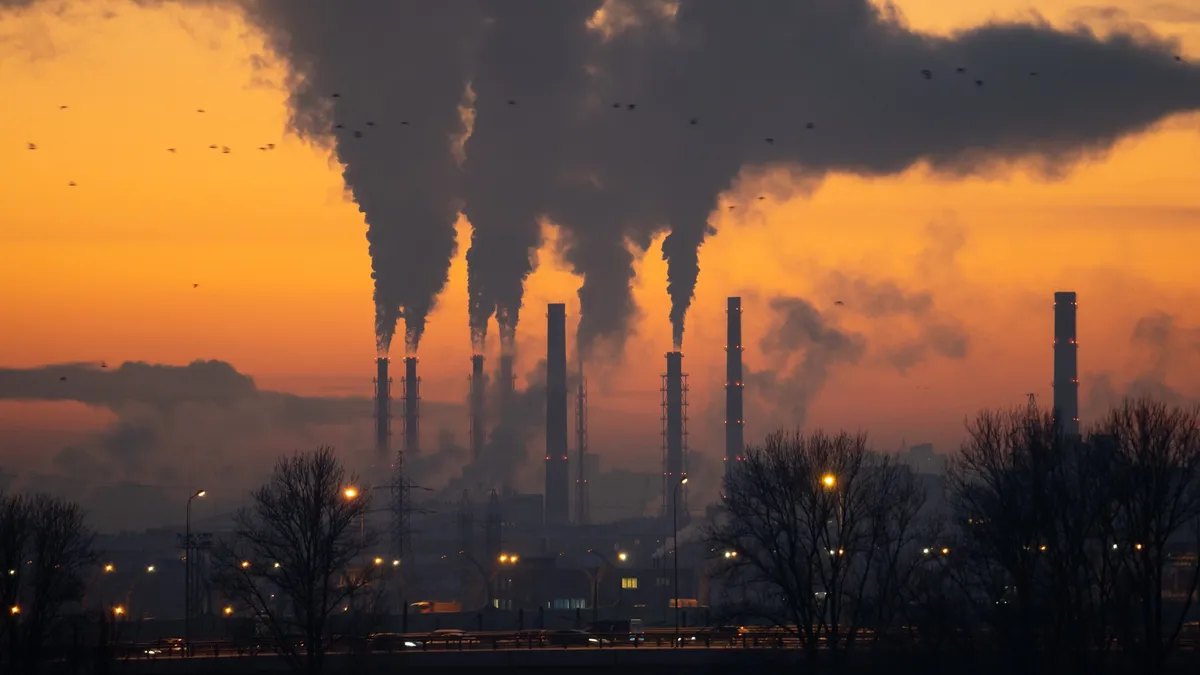
Cleaner air has unexpectedly led to dimmer clouds, contributing to faster ocean warming. Research shows that as pollution controls tighten, marine cloud reflectivity has dropped by 2.8 percent per decade across the North Atlantic and Northeast Pacific.
Dr. Knut von Salzen from the University of Washington explains that fewer air particles result in less sunlight being reflected into space. This change in cloud reflectivity could mean that we are underestimating warming trends because this connection is stronger than we knew.
As cities implement pollution control measures and improve their smart city infrastructure, the impact on air quality becomes more evident. For instance, the global Pollution Monitoring Equipment market is projected to grow significantly, from a valuation of approximately USD 18.2 billion in 2025 to an estimated market index of 193 by 2035.
The rise in air quality monitoring efforts reflects a growing awareness of environmental health issues related to emissions. Regions like Asia-Pacific lead the way with an estimated market share of 38 percent, while North America and Europe hold shares of 28 percent and 22 percent, respectively.
This shift towards cleaner air has not only altered cloud dynamics but also affects weather patterns and climate systems globally. As airborne aerosols decline, scientists are closely examining how this impacts everything from rainfall to temperature fluctuations.
The oil and gas sector plays a significant role, accounting for an estimated 18 percent share of the pollution monitoring equipment market. Regulations like the US MATS rule require power generation plants to install continuous emission monitoring systems (CEMS), further pushing for cleaner emissions.
Key statistics:
- The Pollution Monitoring Equipment market is expected to grow at a CAGR of 6.8 percent.
- Airborne aerosols have declined significantly due to stricter pollution controls.
- The oil and gas sector is heavily monitored under current regulations.
The implications of these findings raise questions about future climate models and how we assess environmental changes. As researchers continue to investigate these connections, communities must remain vigilant in their efforts to improve air quality and understand its broader impacts on climate change.