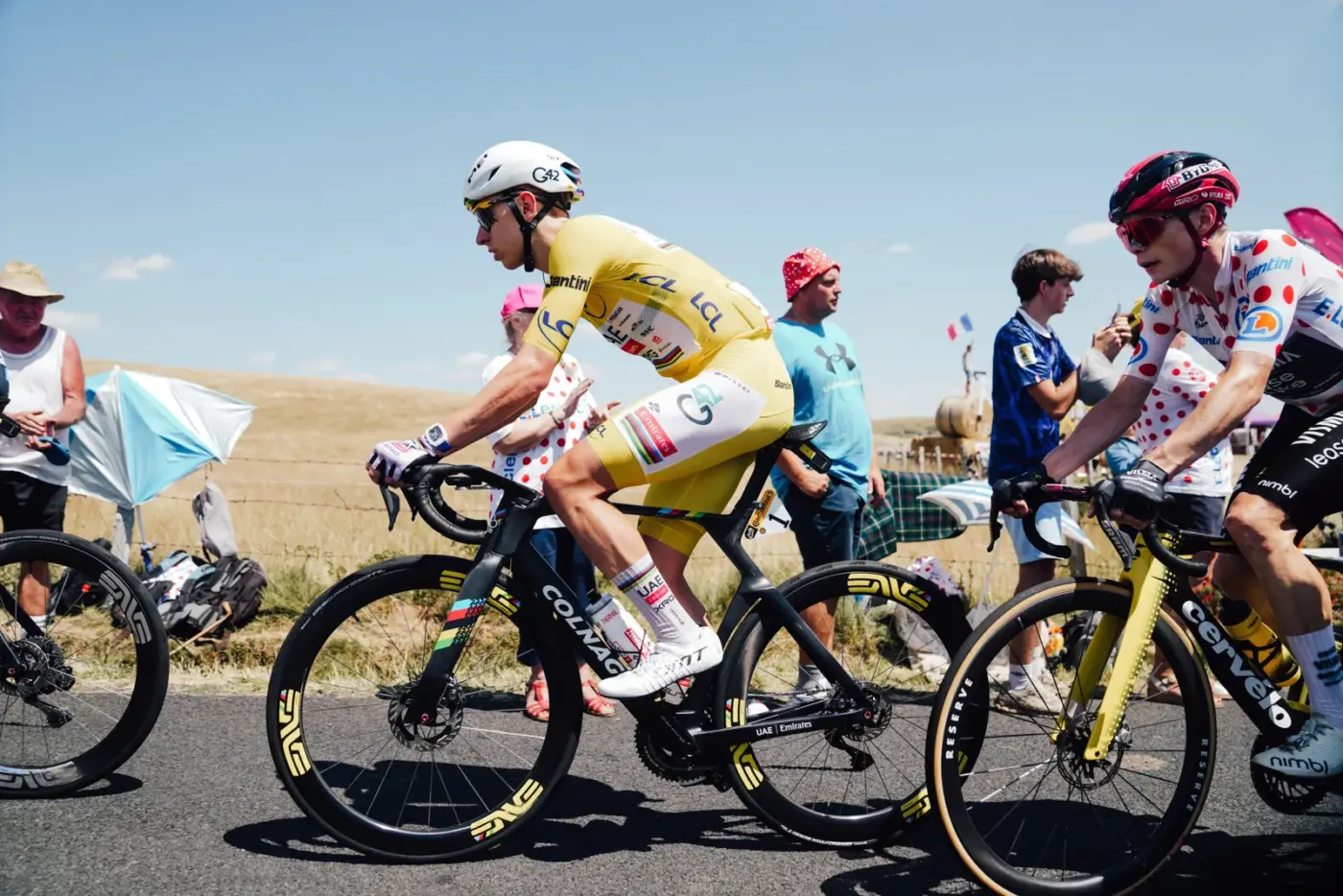
Anti-doping authorities at the Tour de France have addressed accusations of preferential treatment towards Paul Seixas, a French rider currently fourth in the overall standings. The 19-year-old and his team, Decathlon CMA CGM, underwent biological passport testing on Monday evening alongside other competitors. However, Seixas has not yet been subjected to the nocturnal tests that race leader Tadej Pogacar and the now-withdrawn Jonas Vingegaard experienced.
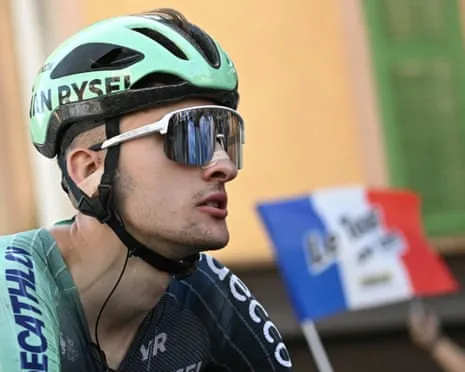
Matej Mohoric of the Bahrain Victorious team, who was tested at 5 am, expressed concerns about ensuring equal treatment for all riders. He noted that Seixas, despite his strong general classification position, had not undergone a night-time test. The International Testing Agency (ITA) denied any bias, clarifying that it is responsible for the anti-doping strategy for the Tour de France, not the French anti-doping agency (AFLD).
The ITA stated that its decisions are based on facts, risk assessments, performances, scientific results, intelligence, investigations, and data analysis. This approach aims for precise and impartial actions, free from external influence. The UCI, professional cycling’s governing body, has endorsed the ITA’s night-time testing regime but emphasised that such controls outside normal hours are exceptional and reserved for limited, justified circumstances.
Concerns over nocturnal testing
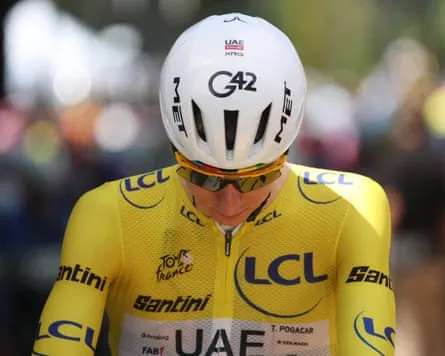
The practice of nocturnal doping tests has generated significant discussion, particularly after two-time Tour de France champion Jonas Vingegaard and four-time winner Tadej Pogacar were woken in the early hours of Sunday for tests. Vingegaard was tested at 2 am, and Pogacar at 5 am, with Pogacar noting he struggled to return to sleep afterwards. These tests occurred just hours before a challenging mountain stage.
The UCI regulations typically stipulate testing between 6 am and 11 pm, with riders providing one-hour whereabouts windows daily. However, riders must also accept that additional tests may occur outside these times. The ITA, which has managed doping controls for the UCI since 2021, required permission from the World Anti-Doping Agency (WADA) and a Parisian judge to conduct these nocturnal visits.
The timing of these tests drew attention, especially after Vingegaard crashed out of the race later that day. While he refused to blame the crash on disturbed sleep, some, including Pogacar and other riders, speculated that the late-night test might have contributed to a lapse in concentration. Remco Evenepoel, who won stage 15, described the 2 am call as “inhuman.”
The purpose of night-time testing is to detect micro-dosing of performance-enhancing substances like EPO, which might otherwise go undetected. The UCI’s own rules acknowledge that some riders use low doses of EPO during these hours to avoid detection in morning tests. Former rider Jonathan Vaughters, who admitted to blood doping in the past, suggested that earlier night-time testing could have prevented years of drama in the sport.
The ITA acknowledged that night-time testing can disrupt riders’ rest and recovery, stating that due consideration is given to minimise the impact. However, the agency also highlighted its responsibility to ensure the effectiveness of the anti-doping programme and the integrity of cycling races. The UCI’s rules permit testing between 11 pm and 6 am only if there is a “serious and specific suspicion that the rider may be engaged in doping,” and such tests require approval from a judge in Paris.
Stage 17 results and rider health
In other race news, Jasper Philipsen secured his first win in this year’s Tour during the 175-kilometre 17th stage from Chambéry to Voiron. Philipsen led a reduced main peloton in a fast and chaotic stage, where multiple groups formed and reformed. The last breakaway rider, Jasper Stuyven, was caught just 4 km from the finish, setting up a sprint finish.
Philipsen, the points classification winner in 2023, celebrated his 11th career Tour stage win. Meanwhile, Adam Yates, a key support rider for race leader Pogacar, struggled with a stomach bug at the back of the peloton. Yates crossed the finish line third from last, appearing unwell, having been sick for the past 48 hours. Pogacar noted that Yates looked much better on Wednesday and was eating well, expressing hope for his recovery ahead of upcoming mountain stages.
The Tour de France now approaches three mountain-top finishes, first at Orcières-Merlette, followed by a double stage finish at Alpe d’Huez on Friday and Saturday. Yates is expected to play a crucial role in Pogacar’s title defence in these stages.
The public prosecutor’s office in Paris confirmed that a judge authorised the doping controls that took place on the night of July 18-19, following a procedure introduced into French law in 2015.
Read Also
Source: theguardian.com