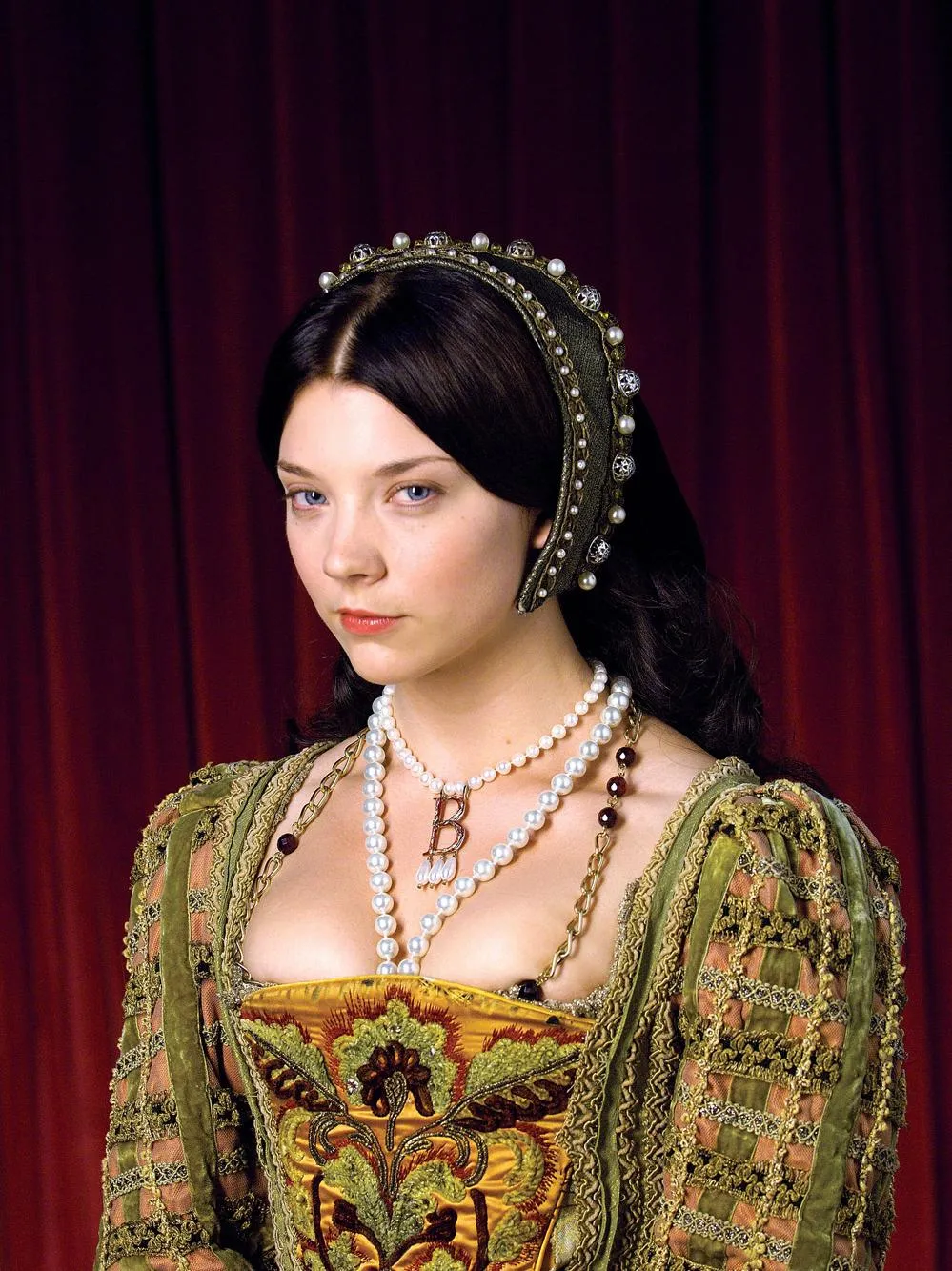
A team of scientists claims to have uncovered the real face of Anne Boleyn using facial recognition technology, igniting a lively debate among historians. This revelation comes from researchers at the University of Bradford, who analyzed Tudor portraits to identify what they believe is a previously-unknown sketch of Boleyn.
Anne Boleyn, married to Henry VIII in 1533 and executed just three years later on charges of adultery, incest, and treason, has long been a figure shrouded in mystery. Notably, no painting from her lifetime exists, which makes this new research particularly compelling.
The researchers employed an algorithm that compared sketches to portraits of her daughter, Elizabeth I, and her cousins. Karen Davies, the lead author of the study, expressed her excitement: “The result has shocked us completely.” This enthusiasm contrasts sharply with skepticism from some historians.
Art historian Dr. Bendor Grosvenor dismissed the findings as “a load of old phooey,” arguing that the study lacks rigorous academic grounding. Professor Hassan Ugail added that what they are examining are merely drawings compared through a machine-learned algorithm.
Despite differing opinions, the research has undergone peer review before publication. It suggests that some images of Boleyn may have been deliberately destroyed over time—an idea that adds another layer to her tragic story.
Yet, uncertainties remain. Whether the identified sketch genuinely depicts Anne Boleyn or possibly her mother, Elizabeth née Howard, is still unclear. The accuracy of using facial recognition technology on historical artworks is also hotly debated.
As this discussion unfolds within the academic community, it highlights an ongoing fascination with Anne Boleyn’s life—a narrative rich with emotional tragedy that people continue to revisit.