Introduction
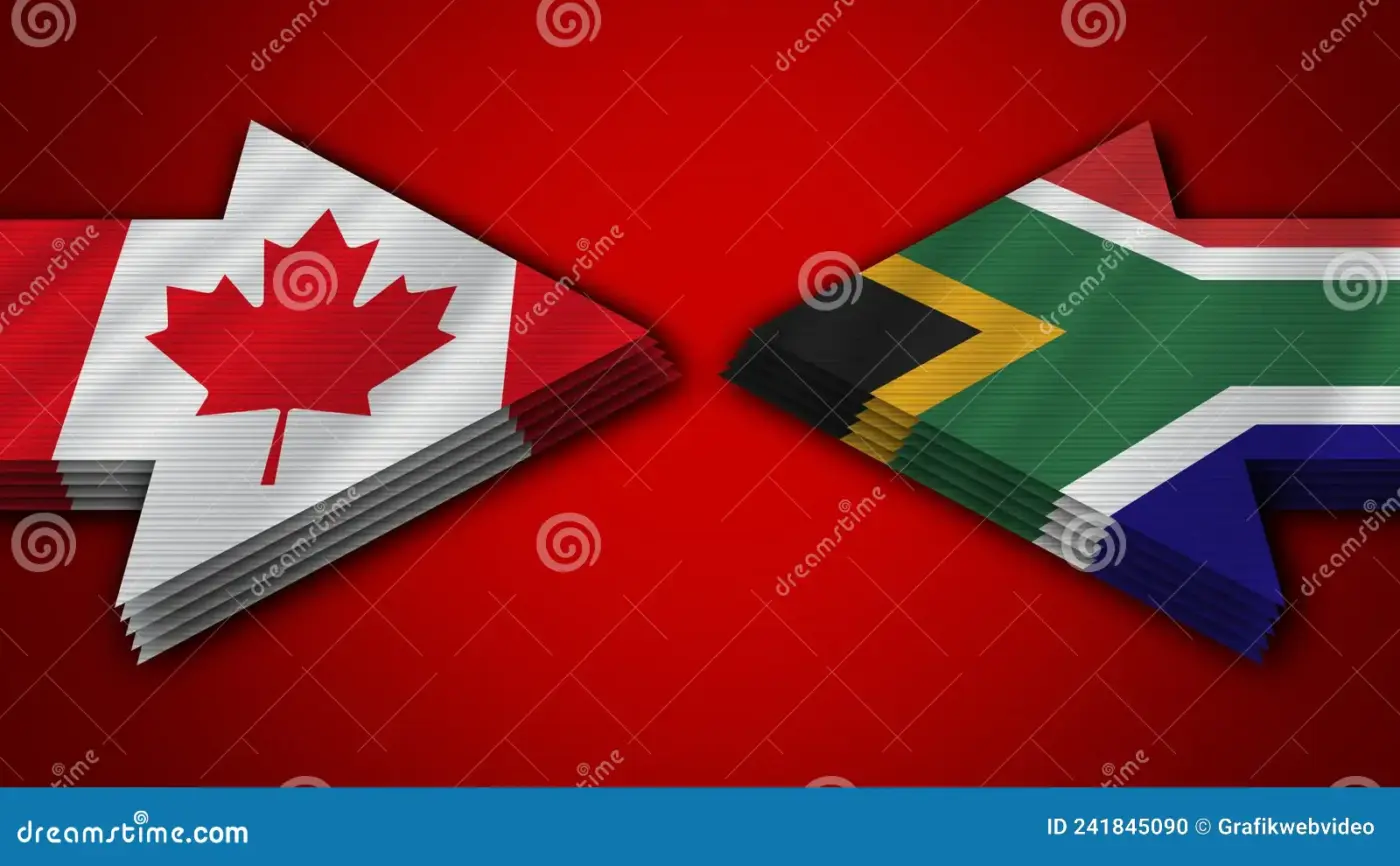
The comparison between South Africa and Canada is significant as it highlights the vast differences and intriguing similarities between two countries situated on different continents yet facing similar global challenges. South Africa, known for its diverse cultures and rich resources, contrasts with Canada’s vast wilderness and multicultural society. This article delves into notable aspects of both nations, including their economies, cultural landscapes, and environmental conditions.
Economic Comparisons
According to the World Bank, South Africa’s economy is one of the largest in Africa, driven by mining, manufacturing, and service industries. In 2022, South Africa’s GDP was recorded at approximately $351 billion. Challenges such as high unemployment rates and economic inequality persist, yet the country remains a crucial player in the African continent.
In contrast, Canada boasts a highly developed economy, ranked 10th globally with a GDP of around $1.99 trillion as of 2022. The Canadian economy thrives on natural resources, technology, and services, with a notable emphasis on stability and sustainable growth. Furthermore, Canada holds a higher GDP per capita than South Africa, indicating a different standard of living and economic development.
Cultural Landscape
South Africa is famously known as the “Rainbow Nation,” a term that celebrates its rich tapestry of ethnicities and cultures, including Zulu, Xhosa, and Afrikaans, among others. This diversity is reflected in the country’s art, music, and cuisine, where traditional practices blend with modern influences.
Canada, on the other hand, is renowned for its multiculturalism, where over 200 ethnic origins are represented. Toronto, Vancouver, and Montreal serve as melting pots of cultural activities, festivals, and culinary delights from around the world. Both countries champion human rights and social justice, albeit having unique historical contexts affecting their current policies and societal dynamics.
Environmental Considerations
Geographically, South Africa features a mix of savannahs, mountains, and coastal regions, providing a rich biodiversity that is under threat due to climate change and urbanisation. The government’s efforts to mitigate these risks represent an essential aspect of their developmental agenda.
>In contrast, Canada’s vast landscapes, including forests, mountains, and lakes, are a significant part of its national identity. Climate change poses similar threats, leading to initiatives aimed at promoting sustainability and conservation in response to shifting environmental conditions.
Conclusion
The differences and similarities between South Africa and Canada offer valuable insights into how countries navigate their unique challenges while fostering cultural richness and economic potential. As both nations continue to evolve, understanding these factors becomes crucial for fostering international relations, trade partnerships, and shared global dialogues. Readers can gain an appreciation of how diverse societies adapt to common pressures, shaping the future of their economies and cultures.