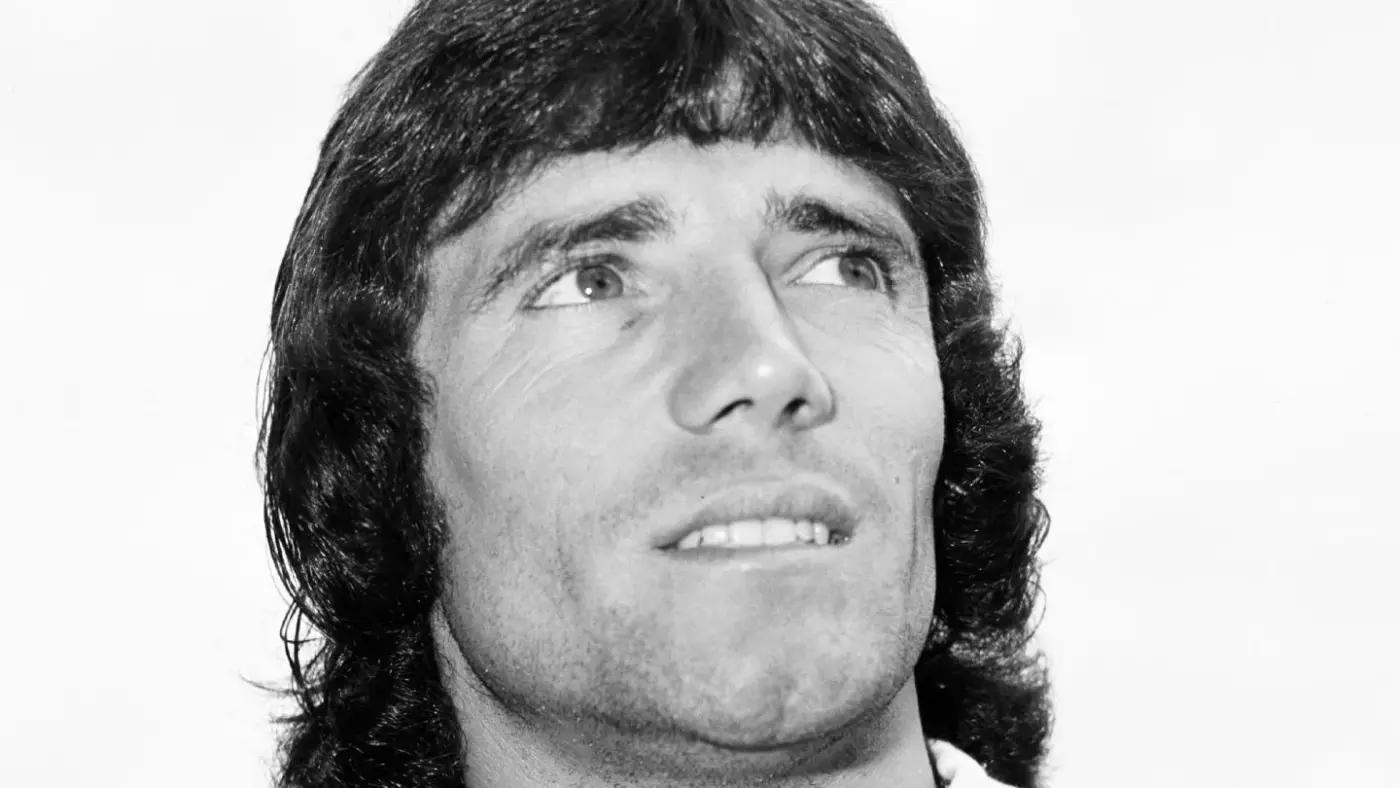
A celebrated career
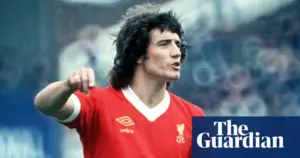
Kevin Keegan, a former England captain and manager, has died at the age of 75. His family confirmed his passing seven weeks after he disclosed a diagnosis of stage four cancer. Keegan was a highly decorated figure in English football, with a distinguished playing career that included spells at Scunthorpe United, Liverpool, Hamburg, Southampton, and Newcastle United. He later transitioned into management, leading Newcastle, Fulham, England, and Manchester City.
His family released a statement indicating he was “surrounded by his wife and daughters in his final moments.” The statement described Keegan, a double Ballon d’Or winner, as a beloved husband, father, and grandfather. They also expressed gratitude to his medical team and requested privacy during this difficult period.
Keegan’s cancer diagnosis was revealed in June, indicating the disease had spread. His family had previously mentioned his battle with the illness in January, following medical evaluations for ongoing abdominal symptoms.
Tributes from across football
Tributes have poured in from clubs and individuals associated with Keegan. Newcastle United described him as “one of the most iconic, influential and deeply loved figures in our club’s history,” highlighting his role as more than just a player and manager, but as “the beating heart of Newcastle United for generations of supporters.” The club noted that his impact would be remembered through the memories he created and the inspiration he provided to fans globally.
Liverpool, where Keegan played from 1971 to 1977, stated that his “indomitable spirit and remarkable contribution will be forever etched in our history and his legacy will live on.” Hamburg acknowledged the loss of a “defining figure” in football, vowing to “cherish” his memory. Fulham remarked on the “strong connection” Keegan forged with their fans, who would “forever hold wonderful memories” of his time there.
Both England and Manchester City extended their condolences to the Keegan family. Manchester City remembered him as “one of the most iconic and fondly remembered figures in English football.” England plans to honour Keegan’s life during a Uefa Nations League match against Spain at Wembley on 26 September.
As a player, Keegan achieved significant success with Liverpool, securing three league titles, the European Cup, two Uefa Cups, and the FA Cup over a six-year period. He also contributed to Hamburg winning the Bundesliga and earned back-to-back Ballons d’Or in 1978 and 1979, making him one of only four English players to receive the award.
On the international stage, Keegan scored 21 goals for England. He later managed the national team from February 1999 to October 2000. His managerial career at Newcastle saw him guide the club to promotion to the Premier League in 1992-93 and a second-place finish in 1995-96, leading the team known as ‘The Entertainers’.
Current Newcastle head coach Eddie Howe reportedly sought advice from Keegan in 2021 upon taking his role, aiming to understand the club’s ethos and the mindset required for success. Keegan also managed Manchester City from 2001 to 2005 and had a second, shorter spell at Newcastle in 2008.
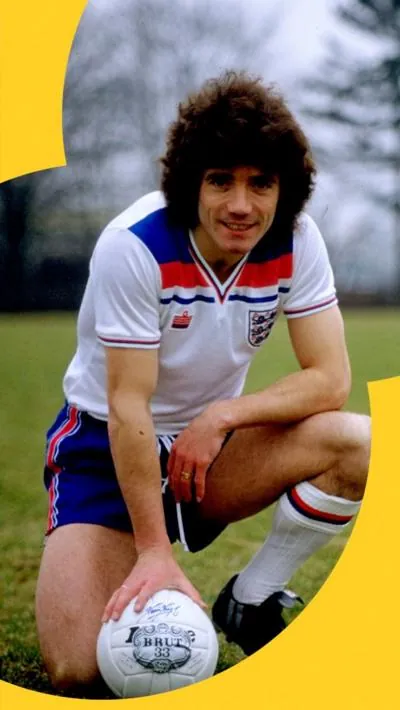
Former Newcastle striker Alan Shearer paid tribute, calling Keegan “My hero. My manager. My friend.” Prince William, Patron of the Football Association, expressed his sadness, describing Keegan as “a truly remarkable footballer and manager who inspired generations with his talent, passion and love of the game.” He further noted that Keegan would be remembered as a kind and generous man.
Ex-Liverpool defender Jamie Carragher lauded Keegan as “one of the greatest players this country has ever produced,” highlighting his numerous trophies and goals, and his two Ballon d’Or awards as evidence of his stature in English football. Carragher also credited Keegan as a pivotal figure in shaping Liverpool FC.
Faustino Asprillia, a former Newcastle forward, expressed deep heartbreak, stating that Keegan was more than a manager, introducing him to the Premier League and fostering his love for Newcastle. He emphasised Keegan’s passion and belief as an inspiration to many.
John Aldridge, a former Liverpool striker, recalled Keegan bringing him great joy as a fan and noted that meeting his heroes, including Keegan, surpassed his expectations. Former Liverpool defender Mark Lawrenson described Keegan as a lovely man who worked diligently to improve his game, earning respect even from opposition supporters.
Mick Quinn, another former Newcastle striker, shared that he had been receiving daily updates on Keegan’s health and felt privileged to have admired him as a player and later worked with him professionally. Richard Bevan OBE, chief executive of the League Managers Association, recognised Keegan as one of the most decorated and iconic figures in English football history, to be remembered with immense respect and affection.
Former Middlesbrough striker Jan Aage Fjortoft remembered Keegan as a superstar of the game, particularly for those who discovered football in the 1970s. He noted Keegan’s pleasant and passionate nature, highlighting that his legacy includes being adored by generations regardless of team affiliation.
Ex-Tottenham centre-back Ramon Vega expressed sadness, acknowledging Keegan’s quality and greatness as both a player and manager. Keegan’s association with Liverpool began in May 1971 when he arrived from Scunthorpe as a 20-year-old.
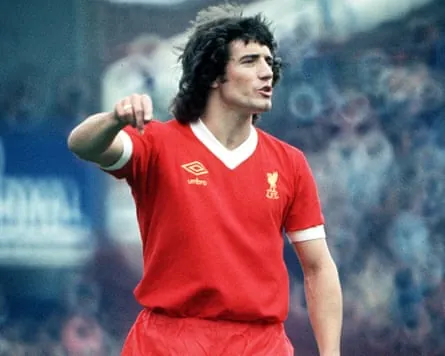
He quickly endeared himself to fans by scoring on his debut in the 1971-72 league opener against Nottingham Forest at Anfield. His partnership with John Toshack contributed to the success of Bill Shankly’s Liverpool teams. In his second year at Anfield, Keegan was involved in 41 goals, helping secure the First Division title and a European trophy. He scored twice and assisted another goal in the UEFA Cup final against Borussia Mönchengladbach, which Liverpool won 3-2 on aggregate.
Keegan was also a standout performer in the 1974 FA Cup final, scoring two goals against Newcastle. He received the Football Writers’ Association Footballer of the Year award in 1975-76, following another league and UEFA Cup double for Liverpool. Despite signalling his intention to move abroad at the end of the 1976-77 season, he concluded his time at Liverpool by scoring 20 goals, earning a third league winner’s medal, and lifting the club’s first European Cup.
He won the Ballon d’Or in two of his three seasons at Hamburg before returning to England. In 2011, Keegan reflected on his time at Liverpool, stating, “Liverpool made me, not just as a footballer but as a person.” He also acknowledged the impact of the fans, saying, “The fans made me.” Kevin Keegan passed away on Monday.
Read Also
Source: bbc.com