World Cup final viewership
The recent World Cup final, which saw Spain defeat Argentina, garnered significant viewership. The match attracted a peak audience of 15.8 million on one platform and its associated streaming service. An average of 13.9 million viewers tuned in as Ferran Torres’ extra-time goal secured Spain’s second World Cup title. The final was streamed 11.1 million times across the streaming service and sports website and app, including 2.4 million UHD streams.
Live text coverage of the match on the sports website and app was viewed over 18.8 million times, with 14.2 million views originating from the UK. The third-place play-off between England and France on Saturday also drew a substantial audience, with a peak of 11.8 million and an average of 10.8 million viewers.
Across the entire tournament, the overall reach for television viewing surpassed 42.8 million. World Cup matches were streamed 237 million times on the streaming service and sports website and app, which is more than double the figures from the 2022 World Cup. Content related to the World Cup accounted for 33% of all streams on the platform during the competition.
The sports website and app recorded 57.2 million unique visitors, with fans viewing content 1.7 billion times. Match highlights were streamed 67.3 million times, and a new football YouTube channel generated 100 million views across various content. On social media, clips, interviews, analysis, press conferences, and fan moments accumulated 2.55 billion video views. The most-watched video of the tournament was an interview with Egypt winger Mostafa Zico after Egypt’s elimination by Argentina, which received 77 million views on one social media platform alone.
Spain’s triumphant return and Argentina’s reaction
Spain’s victorious World Cup squad has returned to Madrid, where they are set to participate in a celebratory trophy parade through the capital’s streets. The team’s plane was scheduled to land at Adolfo Suárez Madrid–Barajas Airport around 2:30pm on Monday. Upon arrival, captain Rodri was seen proudly holding the World Cup trophy alongside head coach Luis de la Fuente.
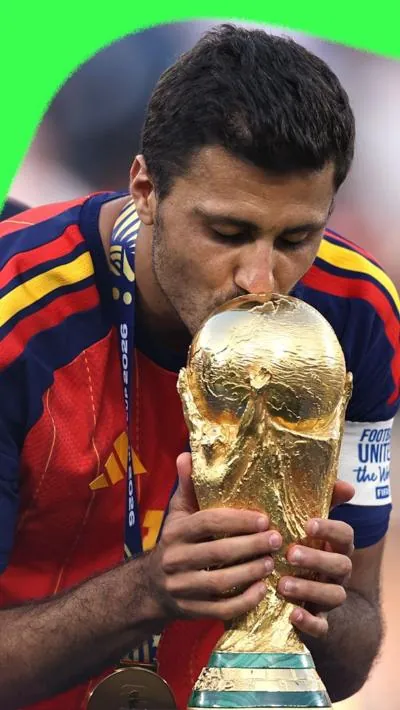
The parade is scheduled to commence at 7pm local time (6pm BST) after the players have had a period of rest and lunch at a secure location. Crowds had already gathered in Madrid’s Puerta del Sol and other significant squares, celebrating into the early hours of Monday morning, with supporters securing spots in Cibeles Square in anticipation of the parade.
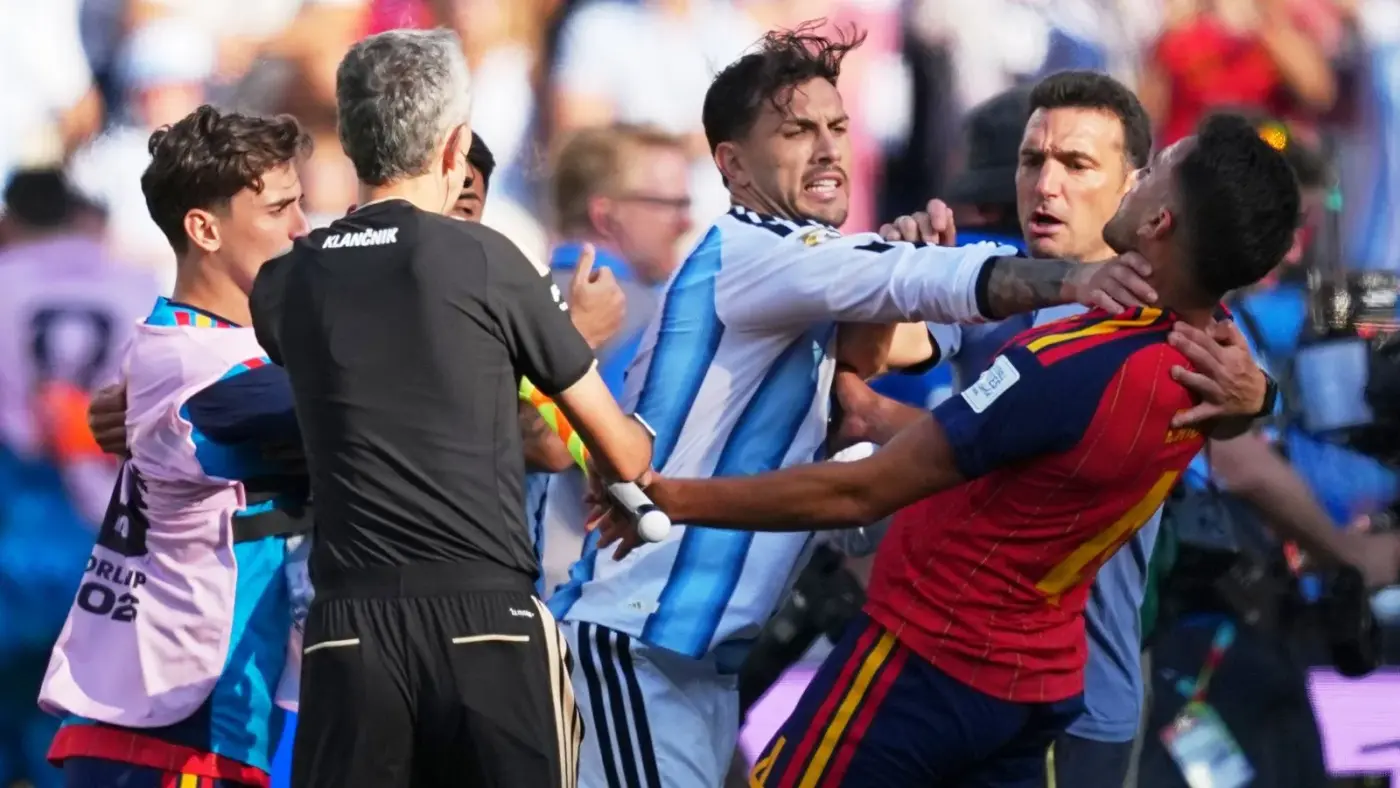
In contrast, Argentina’s team returned home following their defeat, which was marked by contentious scenes at the conclusion of the final in New Jersey. The final itself was described as a challenging spectacle for 90 minutes, with Spain breaking the deadlock when Ferran Torres scored at the beginning of the second half of extra time.
The aftermath of the match saw Fifa indicate that it would investigate the post-match incidents to determine if additional disciplinary action is warranted. Lionel Messi was denied a World Cup triumph in what was likely his final appearance in the tournament. The performance of Argentina was characterised by a defensive and ill-disciplined approach, with the team reportedly not registering a shot in normal time or an effort on target throughout the entire 120 minutes.
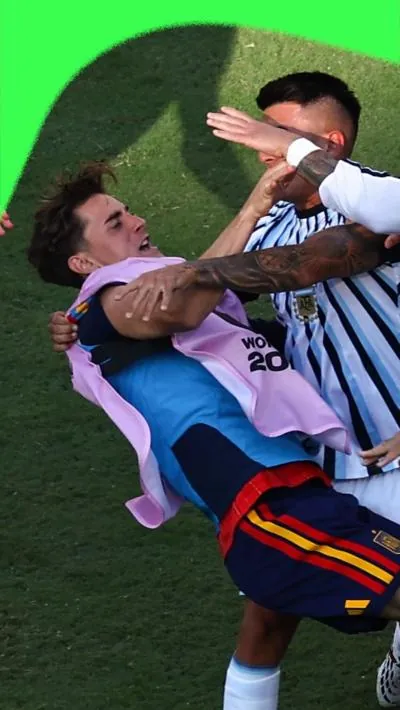
Incidents of ill-discipline included Enzo Fernandez receiving two yellow cards, one for dissent and another for a challenge. Leandro Paredes was also sent off after the game for his reaction at the final whistle, and Nahuel Molina was involved in confrontations with Spain players. Despite the loss, Argentina’s national media defended their team’s performance, portraying them as a source of national pride.
Newspapers in Argentina featured emotional images of Messi, with headlines such as “They gave it their all, nothing to blame them for” and “Argentina gave it their all – and they’re a source of national pride.” Another publication used the headline “May they be eternal” alongside another image of Messi. Meanwhile, Spain’s newspapers celebrated their victory with headlines like “The world is ours” and “The world surrenders to Spain,” with some calling the team “invincible” and noting their 38-game unbeaten run in international football.
Read Also
Source: bbc.co.uk