Keegan’s Impact at Liverpool
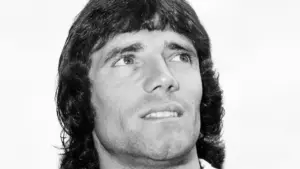
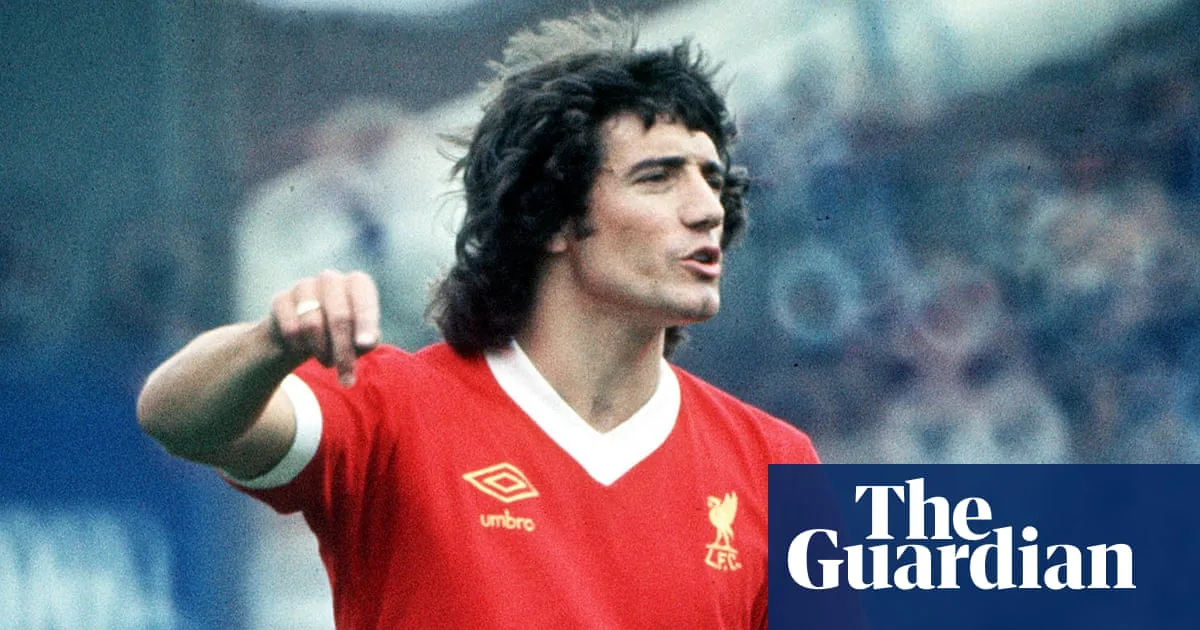
Kevin Keegan, a prominent figure in English football, was a key player in Bill Shankly’s second significant Liverpool side. During his tenure, he contributed to the team’s success, securing three league titles, the European Cup, the FA Cup, and two Uefa Cups under both Shankly and his successor, Bob Paisley.
Keegan’s contributions were particularly notable in crucial matches. He scored two goals in the 1974 FA Cup final, a 3-0 victory against Newcastle. One of these goals famously prompted commentator David Coleman’s remark, “Goals pay the rent – and Keegan does his share.”
His time at Liverpool also included memorable moments such as the 1972-73 Uefa Cup final against Borussia Monchengladbach. In the first leg at Anfield, Keegan scored twice in a match that was replayed due to a thunderstorm. The rearranged fixture allowed Shankly to reintroduce John Toshack, and the partnership between Toshack and Keegan led to a 3-0 win. Liverpool ultimately won the tie 3-2 on aggregate.
Three years later, under Paisley, Keegan scored a vital goal in Belgium during the Uefa Cup final against Club Brugge. The second leg ended 1-1, securing a 4-3 aggregate victory for Liverpool.
Keegan’s ambition led him to announce his departure from Liverpool midway through the 1976-77 season, seeking new challenges. This decision, while drawing some criticism from supporters, allowed Liverpool sufficient time to identify Kenny Dalglish as his replacement.
His final game for Liverpool was a high point, as the team won their first European Cup by defeating Borussia Monchengladbach 3-1 in Rome. In this match, Keegan was instrumental, effectively challenging German defender Berti Vogts. He concluded his Liverpool career with 100 goals in 323 appearances.
A Career of Extraordinary Achievements
Beyond his time at Liverpool, Kevin Keegan’s career was marked by extraordinary achievements. He is the only British player to have won the Ballon d’Or twice. Keegan was also a significant figure at Newcastle United, both as a player and coach, where he built a memorable team that garnered commendation from Fifa’s president. He served as captain and later manager of the England men’s national team.
Despite these accomplishments, Keegan is often remembered for an emotional outburst in April 1996, known as his “I’d love it” rant, directed at Sir Alex Ferguson. This moment, which occurred during a tight Premier League title race, became a widely recognized event, frequently topping polls as a memorable moment in Premier League history and foreshadowing the era of digital clips and personality-driven football coverage.
However, focusing solely on such incidents risks overshadowing the breadth of his achievements and his charismatic presence in English football. Keegan possessed a rare ability to inspire players and those around him. His impact extended to commercial and media opportunities, making him a pioneer in maximizing these aspects of the game.
Keegan’s early life in Armthorpe, Doncaster, reflected a working-class upbringing. Born to Doris and Joe, a war veteran and miner, his family’s living conditions were modest, lacking electricity until he was 10 years old. His talent was not immediately recognized, with many initially dismissing him as too small.
He credited Sister Mary Oliver, a nun who coached his Catholic primary school football team, as an important mentor alongside Bill Shankly. Sister Mary Oliver’s encouragement, stating “Kevin’s football must be encouraged” in a school report, instilled significant self-belief in him.
After being rejected by Doncaster Rovers, Keegan began working at Peglers Brass Works at the age of 16. He played for their reserve team and a Sunday pub team, where he was scouted by Bob Nellis, leading to a trial at Scunthorpe. Despite his own humble assessment of his talent, his move to Liverpool under Shankly was a surprise. Shankly famously told him, “You’re not just a great player – you’re one of the great players!” Keegan scored on his Liverpool debut and remained a constant presence in the team thereafter.
Keegan also embraced commercial ventures, including a well-known Brut advert and a top 40 hit with his single “Head Over Heels in Love.” He was known for his distinctive bubble perm hairstyle, which, despite initial amusement from his wife Jean, became influential in the football world. He remained connected to his working-class roots, identifying as a Labour supporter and being close to former Prime Minister Tony Blair.
He effectively succeeded George Best as a wholesome and dependable commercial face of the superstar footballer in Britain and took over from Bobby Moore as England captain. However, his England career coincided with a period of decline for the national team, leading to missed World Cup finals. His World Cup career was limited to 20 minutes in 1982, a campaign affected by a back injury.
Notable moments in his England career included defying IRA death threats to play against Northern Ireland in Belfast and an incident where he was arbitrarily beaten by Yugoslav customs officials before a game in Belgrade. His frustration with the national team’s performance was encapsulated by a comment from Dutch player Johnny Rep in 1977, who observed the England side at Wembley as the “worst England side I have seen.”
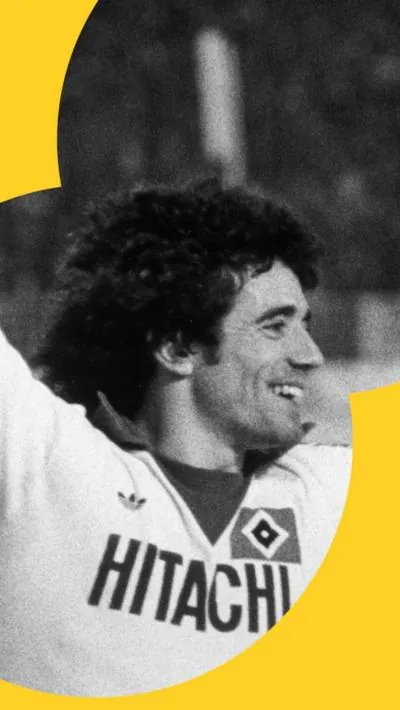
Keegan was also a pioneer in negotiating release clauses, a practice uncommon in England at the time, at both Liverpool and Hamburg, which allowed him to control his career moves if a club met a £500,000 fee.
Read Also
Source: bbc.com