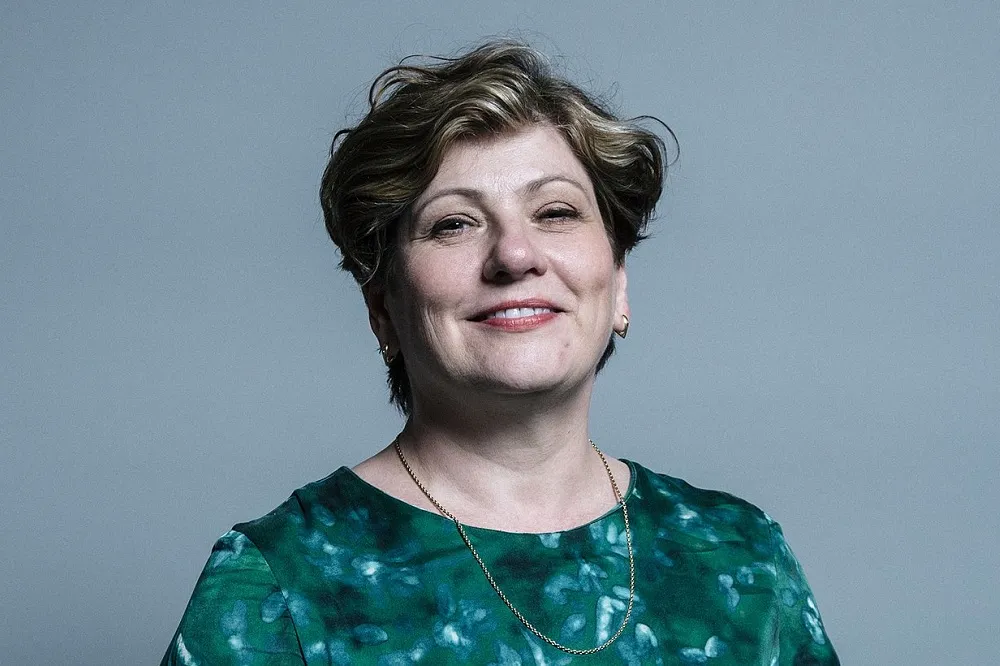
Emily Thornberry’s Critique of Labour’s Stance on Trans Rights
“If the Labour Party doesn’t look after trans people, what are we about?” These words from Emily Thornberry, a senior Labour MP and chair of the Commons Foreign Affairs Committee, encapsulate her deep concerns regarding the party’s current approach to transgender rights.
Thornberry’s remarks come in the wake of significant changes within the Labour Party, particularly following a Supreme Court ruling that led to the banning of trans women from attending the party’s women’s conference. She stated, “I think that we have been trying to be something that we’re not, and I don’t think that we need to do that,” reflecting her frustration with the party’s shift away from its previous commitments to trans equality.
Historically, Labour had pledged to introduce a system of gender self-identification, a promise that was notably dropped in 2023. This retreat from progressive policies has drawn criticism not only from Thornberry but also from various advocates within the LGBTQ+ community.
Thornberry has specifically criticized the influence of Morgan McSweeney, a key figure in Labour’s current leadership, suggesting that the party’s recent social conservatism does not align with its traditional values. “I think some of this social conservatism that was being promoted did not come naturally to us,” she remarked, indicating a disconnect between the party’s historical identity and its present stance.
Moreover, Thornberry emphasized the vulnerability of trans individuals, stating, “They remain on the margins and are vulnerable,” and argued that Labour has a moral duty to protect them. This sentiment is echoed by a notable increase in calls to LGBTQ+ helplines from individuals concerned about the party’s direction on these issues.
As the Labour Party navigates its internal dynamics and public image, Thornberry’s outspoken views may signal a call for a reevaluation of its policies regarding trans rights. The ongoing debate within the party reflects broader societal discussions about gender identity and equality.
With Thornberry’s comments gaining traction, the Labour Party faces pressure to clarify its stance and reaffirm its commitment to supporting marginalized communities. The next steps for the party remain to be seen, as members and leaders alike grapple with these pressing social issues.