England’s World Cup hopes dashed
England exited the World Cup semi-finals after a 2-1 defeat to Argentina in Atlanta. Despite taking an early lead in the second half, England conceded two late goals, allowing Argentina to secure their place in the final against Spain. The match saw Argentina stage a comeback, scoring twice within seven minutes to overturn England’s advantage.
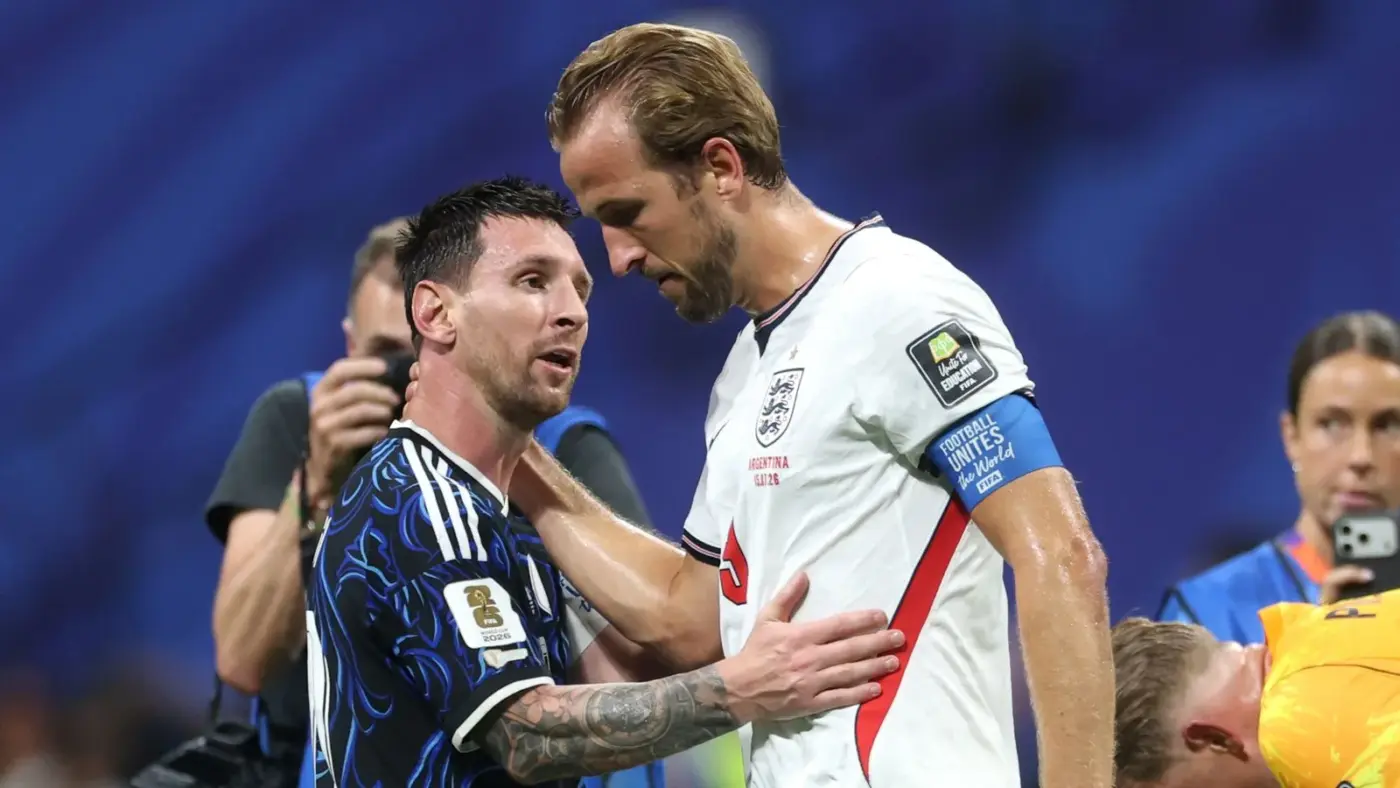
Anthony Gordon put England ahead in the 55th minute, converting a cross from Morgan Rogers. However, Argentina equalised through Enzo Fernández and secured the winning goal from Lautaro Martínez in stoppage time. This outcome left England captain Harry Kane expressing his disappointment, stating that trying to hold onto a 1-0 lead was insufficient at this level of competition.
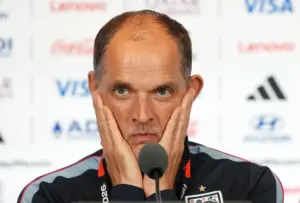
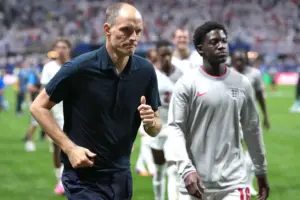
Manager Thomas Tuchel described his side as “too passive” after scoring, acknowledging that they conceded numerous chances and struggled to maintain possession. Despite criticism regarding his tactical decisions and substitutions, Tuchel maintained he had “no regrets,” asserting that the team gave their utmost effort and played one of their better matches under difficult circumstances.
Tactical decisions under scrutiny
Following Gordon’s goal, England’s approach shifted, with the team appearing to retreat and invite pressure from Argentina. Reports indicate that England managed only 12% possession between taking the lead and falling behind. Harry Kane noted that the team struggled to press the ball effectively after their goal, contrasting with their strong performance in the first half and early second half.
Tuchel’s decision to switch to a back five and introduce defensive players after taking the lead drew considerable attention. Critics suggested that this move allowed Argentina to gain momentum, with one report highlighting that England surrendered almost 93% of possession in the 21 minutes between the tactical change and conceding the winning goal. The team’s inability to register a single touch in the opposition box after scoring further underscored their defensive posture.
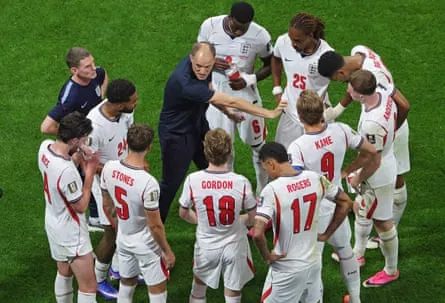
The manager’s substitutions were also a point of discussion. While Tuchel stated he did not feel offensive substitutions would help, some observers argued that bringing on fresh attacking players like Bukayo Saka, Marcus Rashford, Eberechi Eze, or Noni Madueke could have kept Argentina’s defence under pressure. Instead, defensive changes were made, including the introduction of Ezri Konsa for Gordon, which some felt neutralised England’s attacking threat.
Aftermath and reflections
The defeat marked another instance where England failed to convert an early lead in a major knockout game, a pattern previously observed under former managers. The expectation was that Tuchel’s tactical acumen would prevent such a scenario, given his past success in high-stakes matches. However, the team’s performance after taking the lead was described as lacking intensity and control, with Argentina capitalising on England’s passive approach.
Midfield choices also came under scrutiny, particularly the non-utilisation of players like Kobbie Mainoo. Despite the team’s efforts, England could not find the “missing piece” needed to advance to the final, according to Harry Kane. The late goals from Enzo Fernández and Lautaro Martínez ultimately sealed England’s fate, with Argentina’s goalkeeper Emi Martínez having little to do after England’s initial goal.
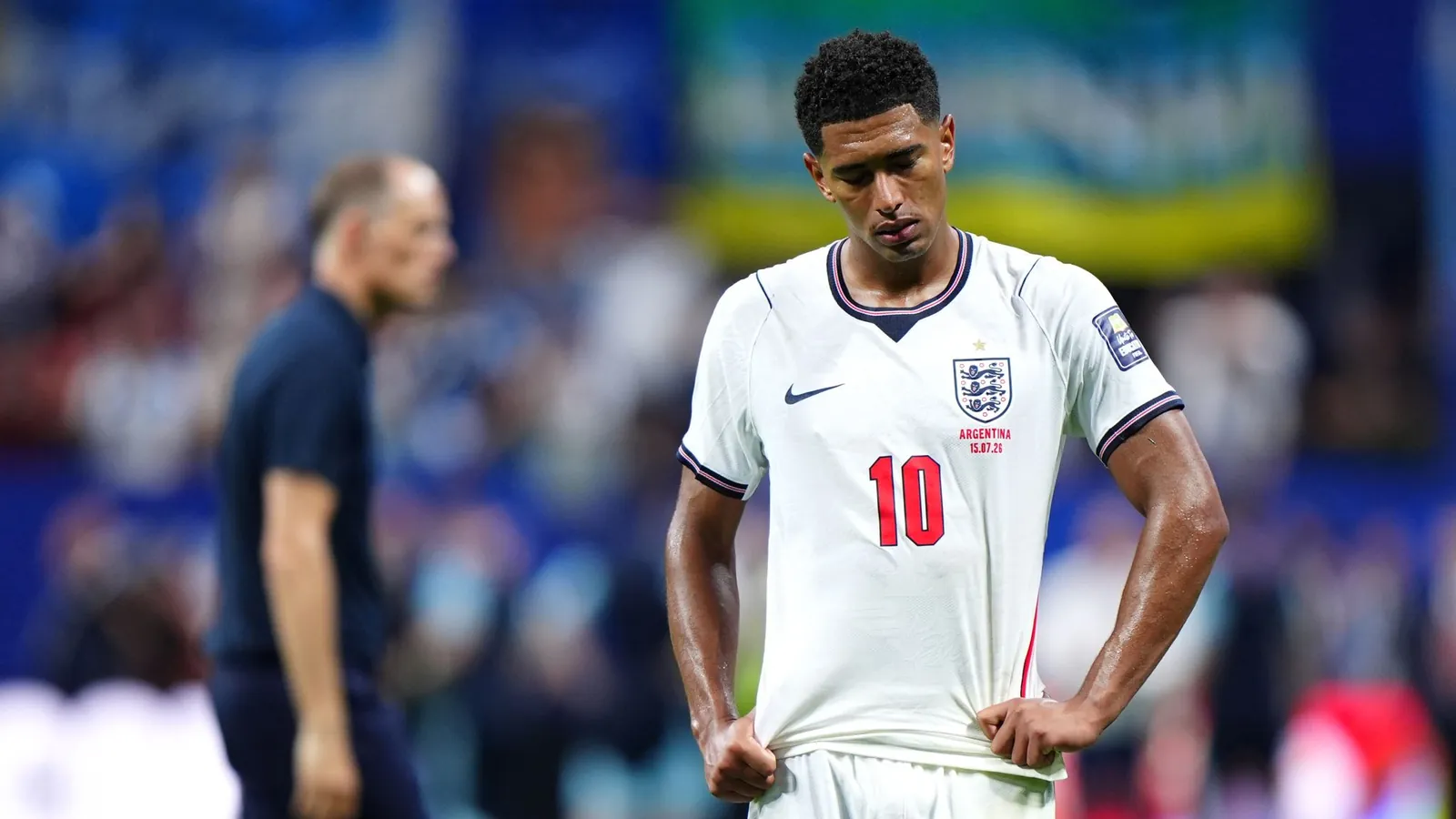
The match concluded with England attempting aimless balls towards their forwards in added time, but Argentina held firm to secure their victory on Wednesday, 15 July 2026.
Read Also
Source: theguardian.com