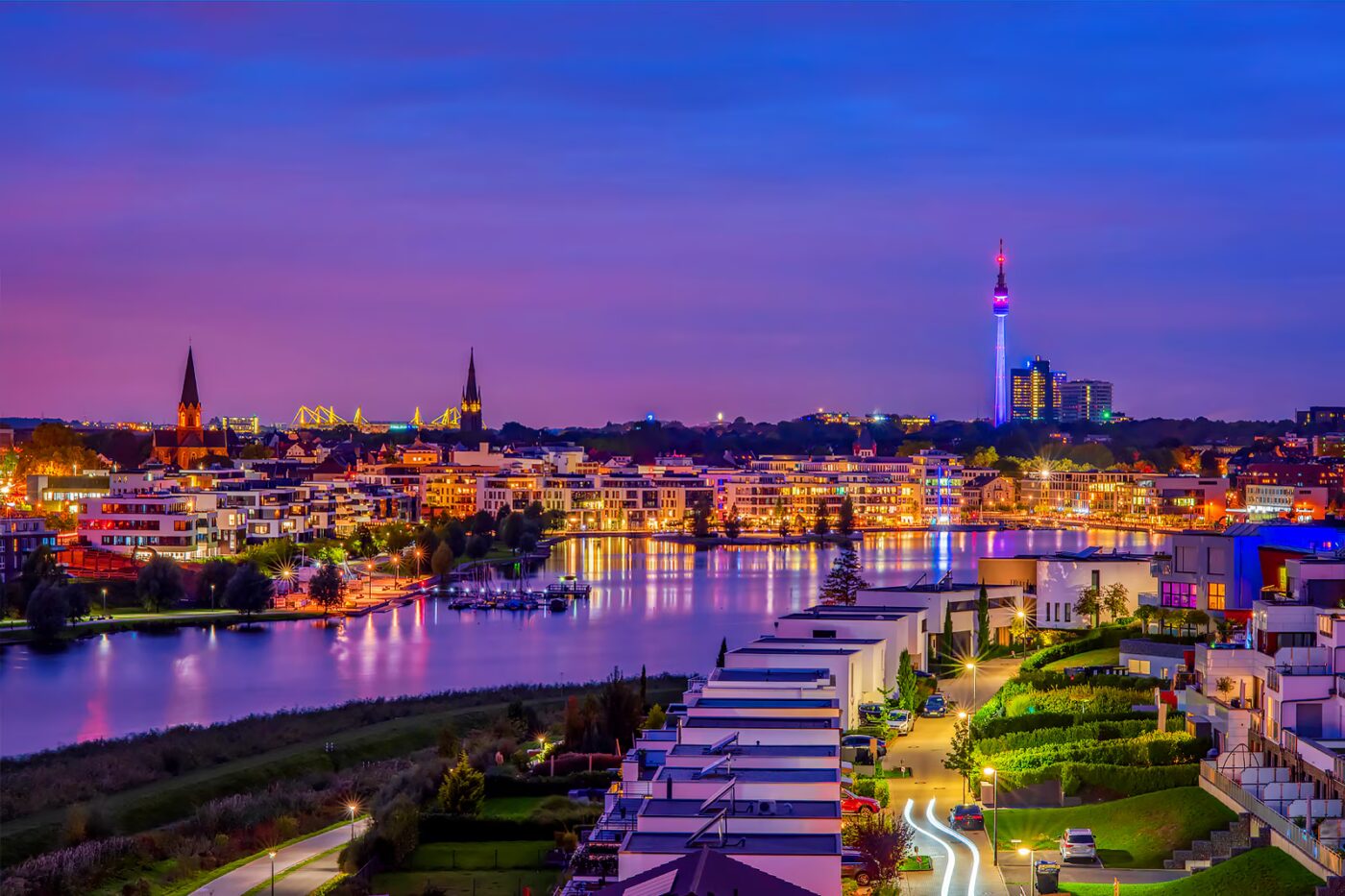
Introduction to Dortmund
Dortmund, located in the North Rhine-Westphalia region of Germany, is a city with a rich industrial history and cultural significance. Known primarily for its football club, Borussia Dortmund, the city also boasts a thriving arts scene, historical architecture, and a variety of cultural festivals that attract both tourists and residents alike. Understanding Dortmund’s multifaceted identity is essential for appreciating its role in contemporary Germany.
Historical Significance
Founded in the 9th century, Dortmund has evolved from a medieval trading centre into a powerhouse of the Ruhr area’s industrial boom in the 19th century. The city played a pivotal role in the coal and steel industries, shaping its economic landscape. Today, remnants of Dortmund’s industrial past can still be seen in its numerous museums, such as the German Football Museum and the Museum Ostwall, which showcase the city’s transition over the centuries.
Football Legacy
No discussion of Dortmund would be complete without mentioning Borussia Dortmund, the city’s beloved football club. Established in 1909, the club has achieved considerable success both in Germany and internationally, winning multiple Bundesliga titles and the UEFA Champions League in 1997. The club’s home ground, Signal Iduna Park, is the largest stadium in Germany and is famed for its electrifying atmosphere, particularly during home match days. This passion for football deeply integrates into the city’s cultural fabric, uniting fans from diverse backgrounds.
Cultural Life and Events
Dortmund is not only known for its sports but also for a rich array of cultural activities. The city hosts several annual events that celebrate its diverse community, such as the Dortmund Christmas Market and the Juicy Beats Festival, which highlights electronic music and contemporary art. Additionally, institutions like the Theater Dortmund offer a platform for performing arts, ranging from classical performances to modern dramas. This diversity reflects Dortmund’s commitment to fostering a vibrant cultural scene that appeals to both locals and visitors.
Conclusion
Dortmund’s significance in Germany extends well beyond its reputation as a football hub. The city’s historical depth, commitment to culture, and vibrant community life make it a unique place worth exploring. Looking ahead, Dortmund aims to balance preserving its rich heritage while embracing modernity. As the city continues to develop and diversify, it stands as an emblem of resilience and culture in contemporary Europe.