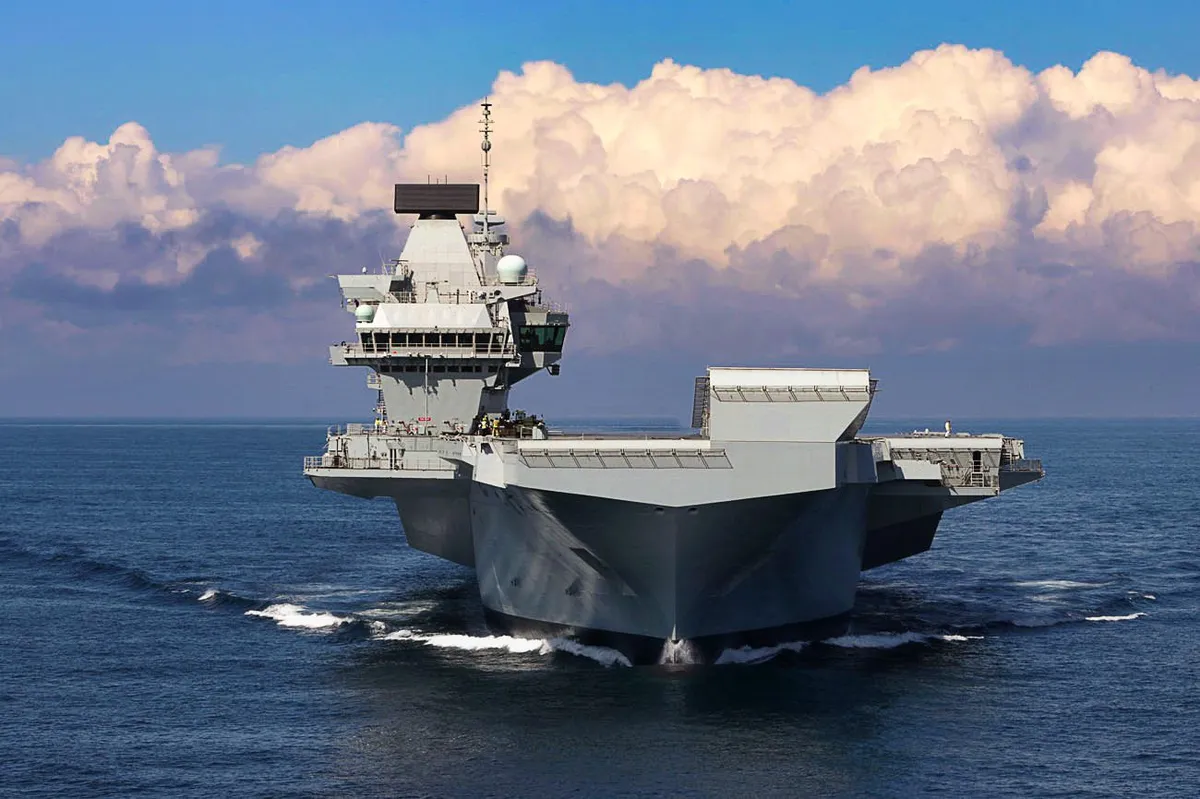
Current Status of HMS Queen Elizabeth
The HMS Queen Elizabeth, one of the Royal Navy’s flagship aircraft carriers, is currently undergoing docking and certification work at Rosyth. However, this process is running several months behind schedule, which has raised concerns about the operational readiness of the vessel. Historically, HMS Queen Elizabeth has been a symbol of British naval power, but these delays have put its future deployments in jeopardy.
HMS Prince of Wales: A Shift in Readiness
In contrast, the HMS Prince of Wales, another advanced warship in the Royal Navy, is currently increasing its readiness status in response to escalating tensions in the Middle East. This vessel is one of the largest and most powerful ever constructed for the Royal Navy, weighing 65,000 tonnes and capable of carrying up to 72 aircraft, including a maximum of 36 F-35B fighter jets. With a top speed exceeding 25 knots, HMS Prince of Wales is prepared for potential deployment, showcasing a stark contrast to the situation faced by HMS Queen Elizabeth.
Operational Capabilities
The HMS Prince of Wales is designed for high operational capacity, with a flight deck measuring 280 metres in length and 70 metres in width. It can operate with a crew of 678 but has the capacity to accommodate up to 1,600 personnel. This flexibility allows the ship to adapt to various operational requirements, making it a crucial asset for the Royal Navy during times of crisis.
Immediate Effects of the Situation
The delays in HMS Queen Elizabeth’s readiness have direct implications for the Royal Navy’s operational capabilities. As HMS Prince of Wales remains on very high readiness, it is positioned to fill any gaps left by the delayed flagship. The Ministry of Defence has emphasized the importance of maintaining a robust military presence in the region, stating, “We have been bolstering our UK military presence in the Middle East since January.” This statement underscores the urgency of the situation and the need for a capable naval force.
Expert Perspectives
Experts have weighed in on the current state of the Royal Navy. The Ministry of Defence has reiterated that HMS Prince of Wales has always been on very high readiness and that preparations for deployment are being ramped up. However, there are concerns regarding the operational delays of HMS Queen Elizabeth, with some sources claiming that the delays were exacerbated by work being conducted only during standard hours. As one report noted, “Claims that delays in the ship’s employment were caused by necessary work only being done on a nine-to-five basis are not true.” This highlights the complexity of the situation and the challenges faced by the Royal Navy.
Future Considerations
As the situation evolves, the Royal Navy must navigate the uncertainties surrounding both vessels. Details remain unconfirmed regarding how many jets 617 Squadron and 809 Naval Air Squadron have immediately available as they regenerate after HIGHMAST and prepare for FIRECREST. Additionally, no decisions have yet been taken to deploy HMS Prince of Wales, leaving the future of the Royal Navy’s operational capabilities in a state of flux.
The contrasting statuses of HMS Queen Elizabeth and HMS Prince of Wales illustrate the challenges faced by the Royal Navy in maintaining readiness amid operational delays and rising geopolitical tensions. As the situation develops, the Royal Navy’s ability to project power and respond to crises will be closely monitored.