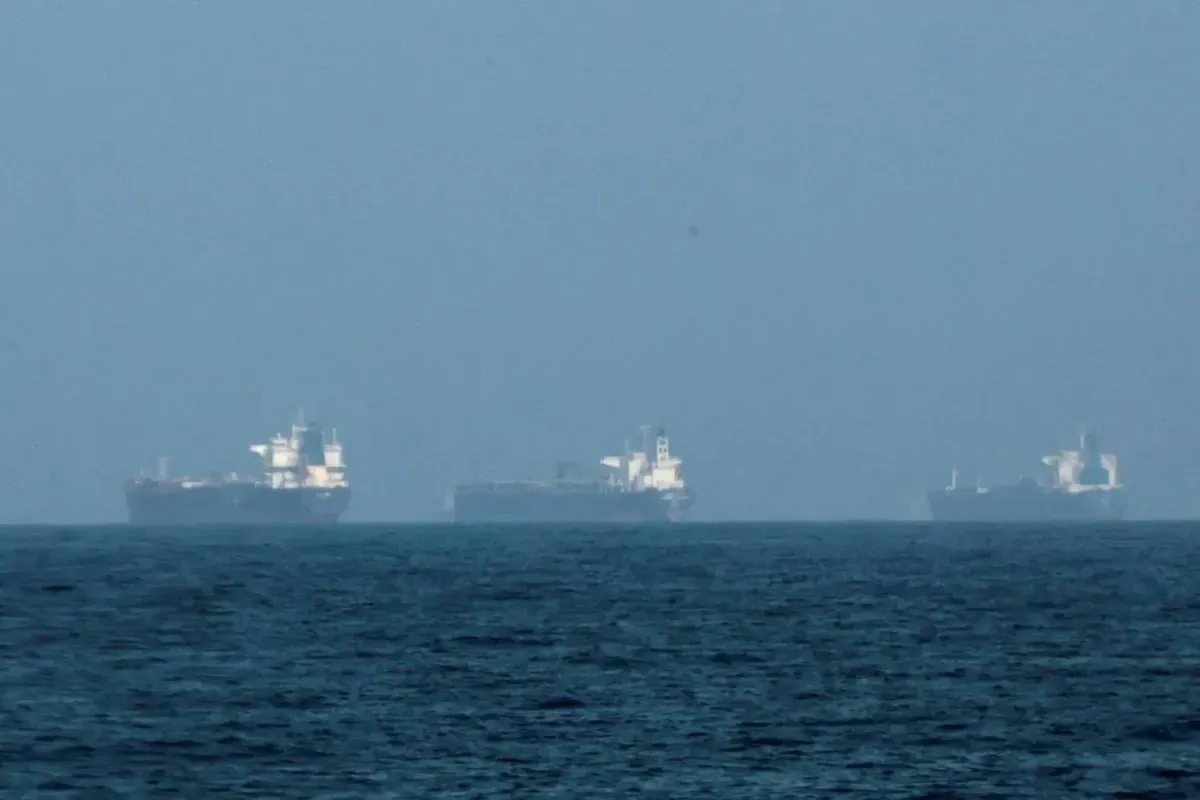
What are the implications of proposed insurance measures in the Strait of Hormuz?
The US has proposed to provide insurance risk guarantees to stabilize the Strait of Hormuz, a vital waterway through which roughly 20 percent of global oil flows. This initiative comes as more than half of the world’s major marine insurance associations plan to suspend war-risk coverage for vessels entering the Arabian Gulf, leading to a surge in insurance costs.
War-risk insurance premiums have increased by around 300 percent, now reaching approximately 1.5 percent of the value of each shipment. Despite these measures, experts caution that the proposed guarantees may not be sufficient to ensure the safe passage of commercial shipping.
Abdulaziz Sager, a regional expert, stated, “The proposed guarantees would not be enough to ensure the safe passage of commercial shipping.” This sentiment is echoed by Saeed Salam, who noted that while naval escorts may provide psychological reassurance, they cannot fully counter asymmetric threats such as naval mines, suicide drones, or anti-ship missiles.
The US Navy has indicated it may escort oil tankers through the Strait of Hormuz once operational capacity allows. However, Iran has warned that vessels crossing the strait could be targeted unless their passage is coordinated in advance, raising concerns about potential confrontations.
Military convoys, while intended to enhance security, may inadvertently slow shipping traffic and create logistical bottlenecks, further increasing costs. Salam remarked, “Military convoys tend to slow shipping traffic and create logistical bottlenecks, which in turn push costs higher.” This could complicate the already strained shipping logistics in the region.
The US strategy combines military deployment with financial guarantees to reassure shipping companies. However, the risk of Iranian attacks on vessels remains a significant concern, and any failure to protect insured vessels could undermine the entire insurance framework, exposing the US Treasury to massive compensation claims.
Details remain unconfirmed regarding how the US International Development Finance Corporation (DFC) would structure the insurance coverage. The historical context of US military measures to protect shipping routes, as seen during the Iran–Iraq War, underscores the ongoing complexities in ensuring maritime security in this critical region.