Escalation of Conflict in the Gulf
In a significant escalation of tensions in the Gulf region, Iran has launched missile and drone attacks targeting Bahrain, the UAE, and Qatar. These strikes have raised alarms among regional leaders, particularly in Qatar, which supplies roughly 20% of the world’s gas. The unexpected nature of these attacks has prompted urgent calls for de-escalation from affected nations.
Qatar’s Response
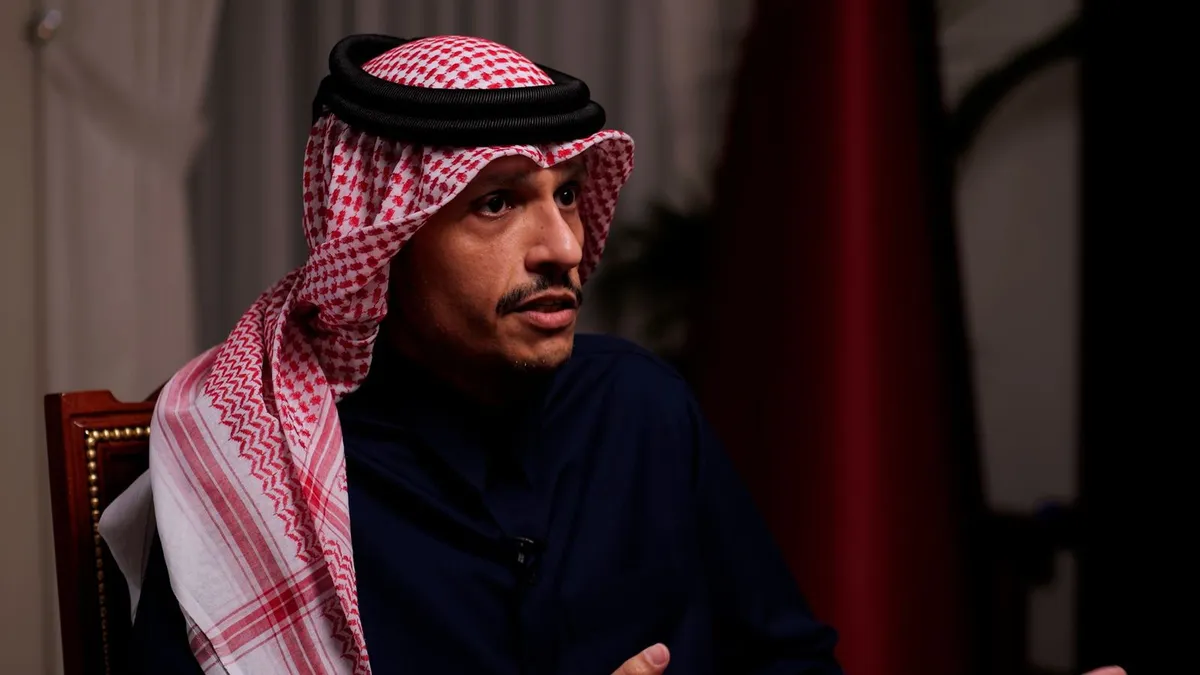
Qatar’s Prime Minister, Sheikh Mohammed bin Abdulrahman al Thani, described the Iranian strikes as a “dangerous miscalculation,” emphasizing the sense of betrayal felt by Gulf nations. He stated, “The miscalculation by the Iranians to attack Gulf countries has destroyed everything.” This sentiment reflects the broader regional concern regarding the implications of Iran’s aggressive actions.
Details of the Attacks
Reports indicate that 25% of the attacks specifically targeted civilian facilities, raising serious humanitarian concerns. The UAE successfully intercepted several ballistic missiles and drones launched from Iran, while Kuwait recorded 14 ballistic missiles and 23 drones traversing its airspace. These developments highlight the escalating military capabilities being exhibited in the region.
Context of the Conflict
The current conflict has its roots in ongoing tensions between the US, Israel, and Iran, which have now drawn in multiple Middle Eastern states. The attacks occurred shortly after significant strikes by the US and Israel against Iranian locations, reportedly resulting in the death of Iran’s Supreme Leader Ali Khamenei. This has further complicated the already volatile situation in the region.
Regional Implications
The involvement of Gulf countries in this conflict signals a potential shift in regional alliances and security dynamics. Sheikh Mohammed bin Abdulrahman al Thani noted, “They are our neighbours – it’s our destiny,” highlighting the interconnectedness of nations in the Gulf and the potential for broader repercussions if tensions continue to escalate.
Looking Ahead
As the situation develops, observers are closely monitoring the responses from both regional and international actors. Qatar continues to advocate for de-escalation, with its leaders expressing a desire to maintain peaceful relations with neighboring states. However, the unpredictability of Iran’s actions poses significant challenges to achieving stability.
Details remain unconfirmed regarding the full extent of the damage caused by the attacks and the potential for further military actions. The international community is urged to pay close attention to the evolving situation in the Gulf, as the implications of the Iran war extend beyond the immediate region.