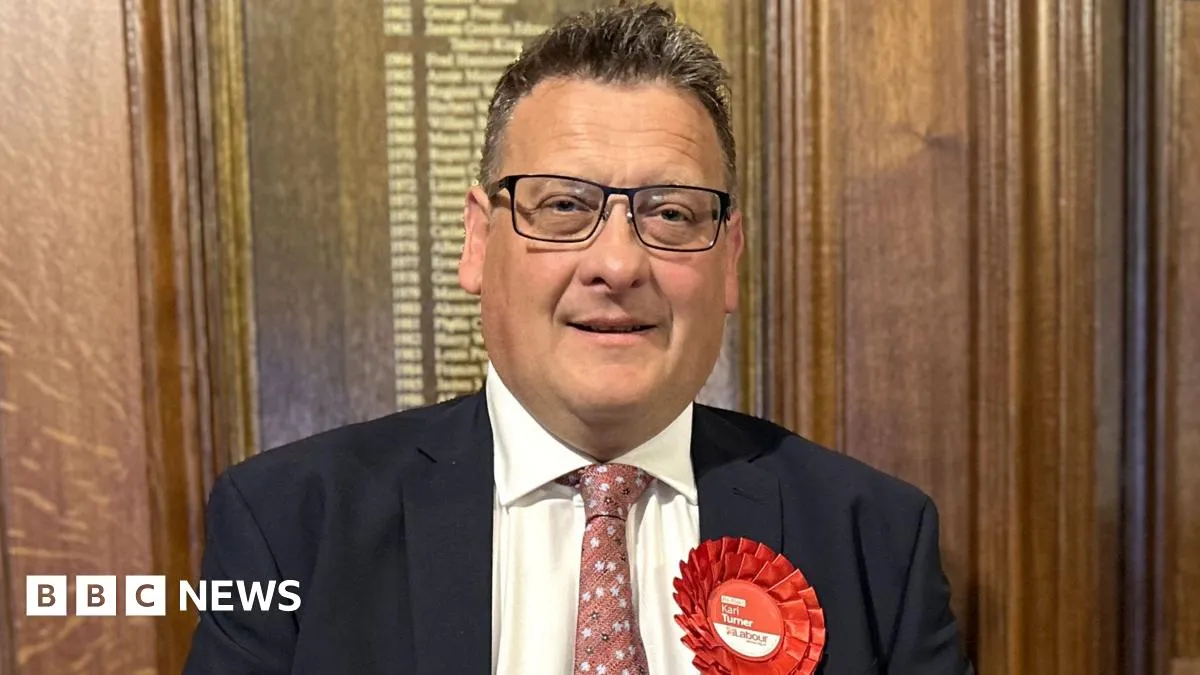
What does Karl Turner’s recent suspension from the Labour Party mean for his political future and the ongoing debate over jury trials in England and Wales? The answer is complex, but it underscores a significant moment in British politics.
Turner, a Member of Parliament since 2010, has been a vocal critic of the government’s proposal to limit jury trials, which he has described as misguided. His outspoken stance against these reforms has led to his suspension from the Labour Party, a decision communicated to him by the chief whip, Jonathan Reynolds. This suspension comes after Turner was already on a conduct warning, raising questions about the internal dynamics within the party.
In the 2024 general election, Turner saw a remarkable increase in his vote share, garnering 43.8% of the votes and securing a majority of 3,920. His commitment to the Labour Party, despite the suspension, remains unwavering. “My commitment to the Labour Party is unchanged,” Turner stated, emphasizing his dedication to the party’s core values.
Turner’s criticism of the government’s approach to jury trials has resonated with many, as he has rallied support from approximately 60 MPs who are prepared to vote against the proposed reforms. He firmly believes that these changes could undermine the justice system and harm the most vulnerable in society. “I will continue to speak out against these proposals because my duty is to act in good faith, according to my principles and to protect the most vulnerable,” he asserted.
However, the political landscape is fraught with challenges. Turner has been accused of ‘whipping up’ criticism of the government on social media, a move that has not endeared him to some within the party. The Labour Party has a history of suspending MPs who vote against the government, and Turner’s case adds another layer to this ongoing narrative.
As the situation unfolds, Turner has hinted at the possibility of causing a by-election if his suspension is prolonged. This could have significant implications not only for his career but also for the Labour Party’s strategy moving forward. The internal party dynamics, especially under the leadership of Keir Starmer, are being closely watched by both supporters and critics alike.
Details remain unconfirmed regarding the next steps for Turner and the Labour Party. Will he be reinstated, or will he pursue a path that could lead to a by-election? The answers to these questions will shape the future of his political journey and the ongoing discourse surrounding jury trials in the UK.