Introduction
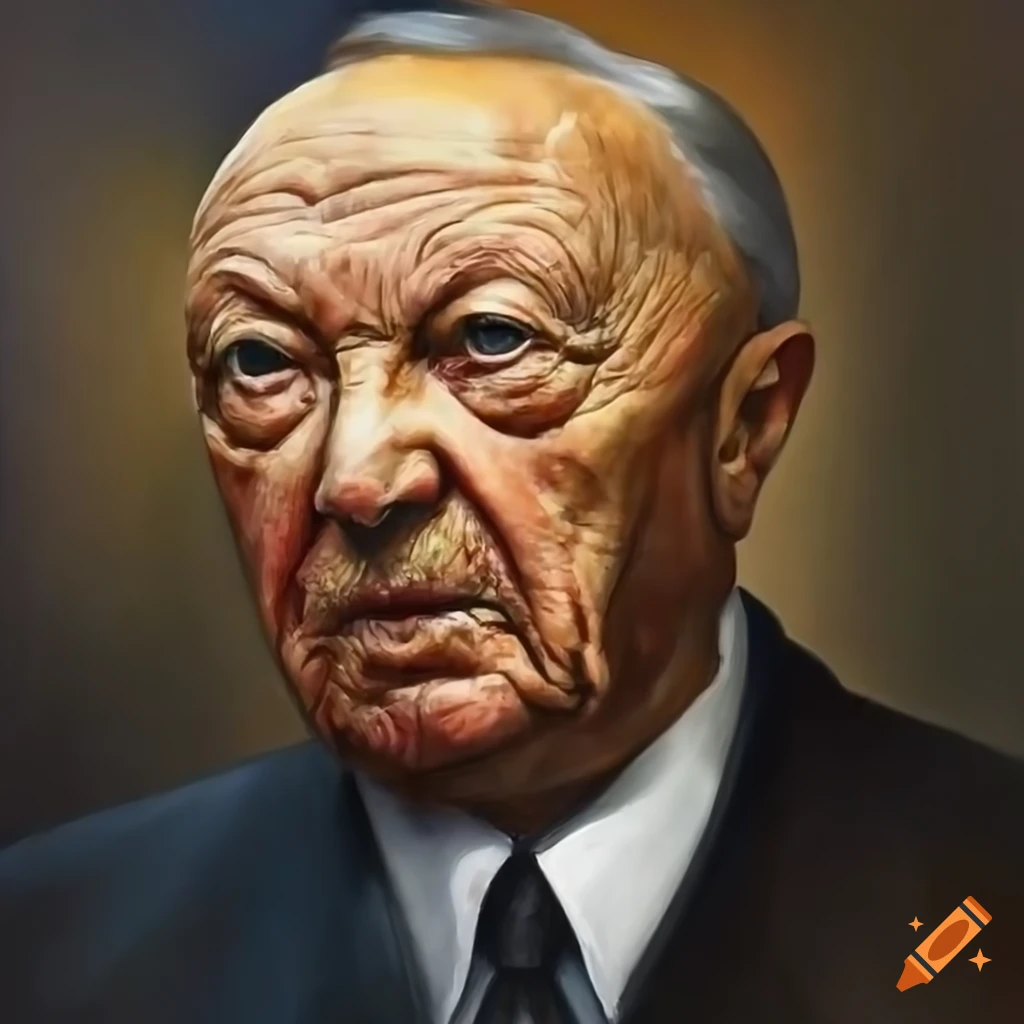
Konrad Adenauer, the first Chancellor of West Germany from 1949 to 1963, remains a pivotal figure in shaping modern German history. His leadership during the tumultuous post-World War II era was instrumental in the nation’s recovery and eventual reunification. As a political architect, his policies and vision laid the groundwork for the modern state and its integration into the European community.
Adenauer’s Early Life and Political Career
Born on January 5, 1876, in Cologne, Adenauer was deeply influenced by the political and social upheaval of his time. He served as the mayor of Cologne during the Weimar Republic and opposed the Nazi regime, which led to his detention by the Gestapo during the war. Following WWII, Adenauer was elected as the leader of the Christian Democratic Union (CDU), where he began to push for a democratic and economically stable West Germany.
Chancellorship and Key Achievements
Adenauer’s chancellorship marked a significant transition for Germany. He was crucial in establishing a strong West Germany, with his government promoting a social market economy that led to the “Wirtschaftswunder” or economic miracle. Under his leadership, West Germany became a stable and prosperous nation with a robust economy and increasing international standing. He was also a staunch advocate for European integration, believing that cooperative relationships would prevent future conflicts. This ideology helped cultivate the foundations of the European Union.
Moreover, Adenauer was pivotal in forging close ties with the United States and securing West Germany’s membership in NATO in 1955. His policies facilitated the division of East and West Germany while he adeptly navigated the challenges posed by the Cold War.
Legacy
Konrad Adenauer’s legacy is significant in contemporary political discourse, as many of his principles on democracy, economic stability, and international cooperation remain relevant today. After his resignation in 1963, he continued to influence European politics until his death in 1967. Adenauer’s vision for a united Europe and understanding of the complexities of international relations are still studied in political science and history classes around the world.
Conclusion
In conclusion, Konrad Adenauer’s contributions to German politics and European unity have left an indelible mark on history. His foresight and pragmatic approach to governance not only transformed Germany but also shaped the future of Europe. Understanding Adenauer’s impact is critical for grasping modern European political dynamics and will inspire future leaders in their quests for stability and unity.