Background on the Conflict
The conflict has escalated following the killing of Supreme Leader Ayatollah Ali Khamenei. This event has significantly heightened tensions in the region, particularly between Iran and its adversaries, the United States and Israel. In the wake of these developments, the Iranian interim leadership has been compelled to reassess its military strategies and diplomatic relations with neighboring countries.
Recent Statements by Masoud Pezeshkian
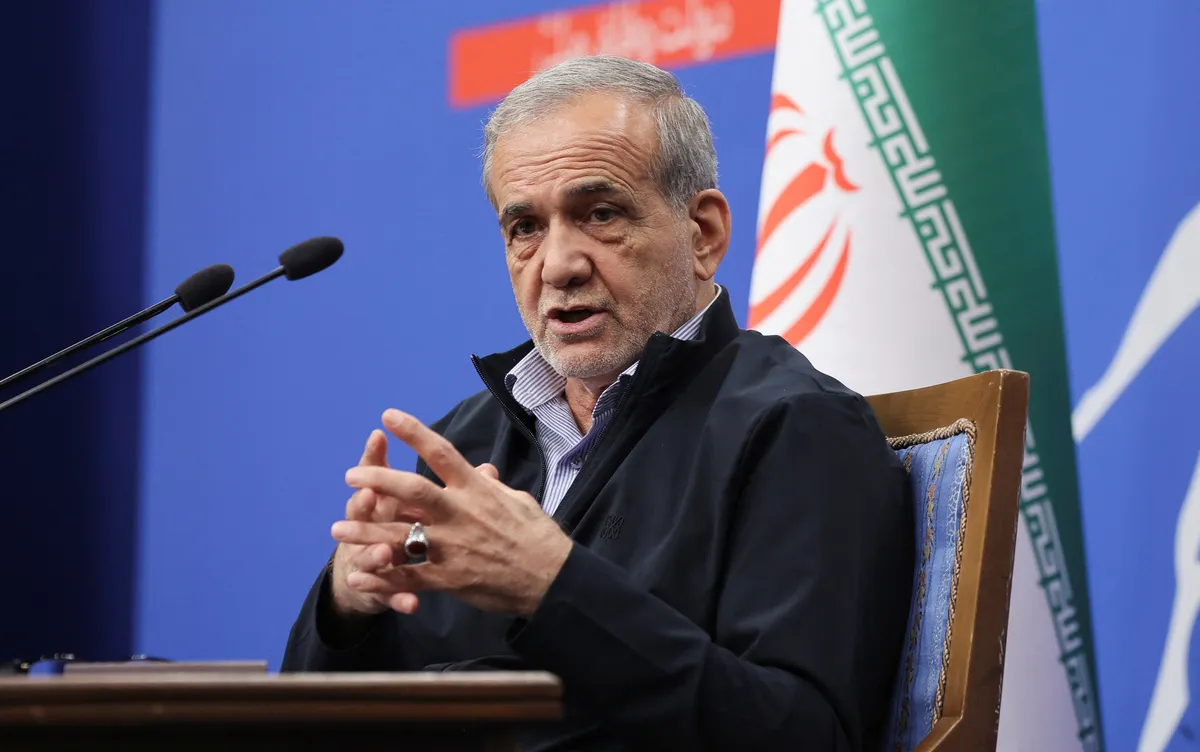
On March 7, 2026, Masoud Pezeshkian, a prominent Iranian political figure, made a recorded statement addressing the ongoing military strikes and Iran’s response to threats. He emphasized that neighboring countries would no longer be targeted unless an attack originates from those nations. This statement marks a notable shift in Iran’s military policy, aiming to reduce tensions with its neighbors amidst an increasingly volatile situation.
Pezeshkian also expressed regret for recent strikes that have affected neighboring countries, apologizing for the consequences of Iran’s military actions. He stated, “What we adhere to are international laws and humanitarian frameworks,” indicating a commitment to abide by established norms in international relations.
New Directive from Iranian Leadership
The Iranian interim leadership council has approved a new directive that prohibits the armed forces from targeting neighboring states unless they are attacked from those countries. This directive reflects a strategic pivot in Iran’s military posture, potentially aimed at de-escalating regional tensions and avoiding further conflict.
According to Pezeshkian, the Islamic Revolutionary Guard Corps (IRGC) is currently in charge of Iran’s military strategy and decisions. Resul Serdar, another key figure, commented on the IRGC’s role, stating, “The IRGC is now in charge fully, and they will decide whether to attack or not.” This highlights the significant influence the IRGC holds in shaping Iran’s military responses.
Impact of US and Israeli Actions
The backdrop of Pezeshkian’s statements includes ongoing airstrikes conducted by the United States and Israel against Iran. Reports indicate that more than 1,200 Iranians have been killed in US-Israeli attacks in the first week of the war, with 170 cities affected by these air assaults. These figures underscore the severe impact of the conflict on the Iranian population and the urgency for a reevaluation of military strategies.
In response to these developments, Pezeshkian’s statements have been met with skepticism by some observers. Resul Serdar noted, “I don’t think Pezeshkian or other politicians will have any influence when it comes to security politics,” suggesting that the military decisions may remain largely in the hands of the IRGC rather than civilian leadership.
Looking Ahead
As the situation continues to evolve, the implications of Pezeshkian’s statements and the new directive from the Iranian leadership remain to be seen. Observers are closely monitoring how these changes will affect Iran’s military engagements and its relationships with neighboring countries. Details remain unconfirmed regarding the potential for a lasting shift in Iran’s military strategy and its approach to international relations.