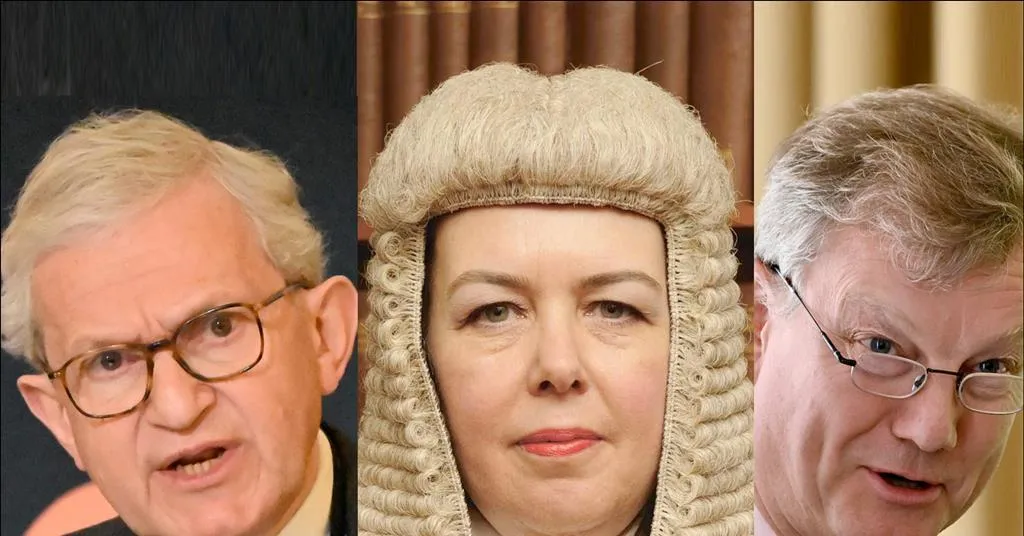
Who is involved
Before the recent developments surrounding the Mazur judgment, the legal landscape in the UK was characterized by a clear demarcation of roles within the profession. Solicitors were traditionally seen as the gatekeepers of legal services, with strict regulations governing who could conduct litigation. The Legal Services Act 2007 aimed to modernize the sector but did little to alter the practice of delegating litigation tasks to unqualified individuals. This created a situation where many unqualified individuals were involved in legal processes, albeit under the supervision of authorized lawyers, but the boundaries of their roles remained ambiguous.
However, a decisive moment arrived when CILEX won an appeal in the Court of Appeal regarding the Mazur judgment, overturning a previous ruling by Mr Justice Sheldon. The leading judgment, delivered by Sir Colin Birss, Chancellor of the High Court, clarified that unauthorized individuals can conduct litigation, provided they are supervised by an authorized person. This pivotal change not only reshapes the expectations of legal practitioners but also opens the door for a more inclusive approach to legal services.
The immediate effects of this judgment are profound. CILEX’s chief executive hailed the ruling as the most consequential for legal services in recent history, emphasizing its significance for access to justice and the interests of consumers. The judgment mandates that proper management, supervision, and control must be in place when delegating tasks to unauthorized persons, ensuring that the responsibility for litigation ultimately rests with the authorized lawyer. This shift is expected to foster a more diverse and competitive legal sector.
Expert voices have weighed in on the implications of the Mazur judgment. Brett Dixon noted that the ruling confirms the ongoing necessity for supervision, which will require further regulatory guidance to ensure compliance. The Solicitors Regulation Authority welcomed the clarity provided by the Court of Appeal, indicating that it would enable them to review and update their guidance where necessary. This sentiment reflects a collective acknowledgment that the legal profession must adapt to the evolving landscape.
However, the judgment is not without its uncertainties. While it paves the way for a more inclusive legal environment, there are concerns about the potential for increased satellite litigation due to unresolved questions surrounding the boundaries of delegation and the role of unauthorized individuals. Julia Mazur and Jerome Stuart highlighted that if the judgment does not clearly define where delegation ends and ‘acting as a solicitor’ begins, it could leave firms, regulators, and clients navigating a complex legal landscape without clear guidance.
As the legal community absorbs the implications of the Mazur judgment, it represents a moment of reset for legal services, aiming to support ordinary people seeking justice. The balance between maintaining professional standards and expanding access to legal services is delicate, and the outcomes of this judgment will be closely monitored by all stakeholders involved.
Details remain unconfirmed regarding the exact implications of the judgment on future litigation practices. Nonetheless, the Mazur judgment stands as a significant milestone in the ongoing evolution of the legal profession, promising to reshape how legal services are delivered and who can participate in the process. As the dust settles, the focus will undoubtedly shift to how these changes will be implemented and regulated in practice, ensuring that the spirit of justice remains accessible to all.