Norway’s Strategic Changes and Match Outcome
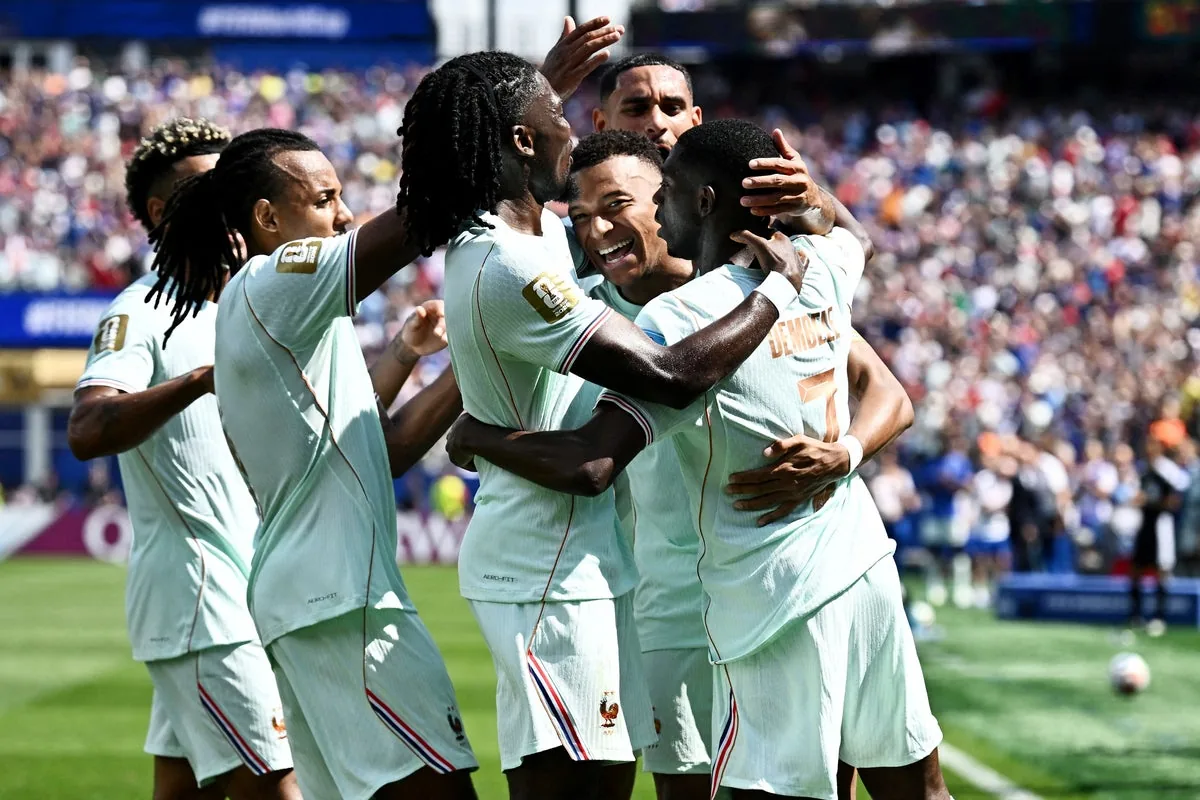
Norway opted for significant changes in their final World Cup 2026 group stage match against France, resting key players including Erling Haaland. This decision led to a 4-1 defeat for Norway at Boston Stadium. Ousmane Dembele was a standout performer for France, scoring a 25-minute first-half hat-trick. France’s other goals came from Desire Doue, while Thelo Aasgard scored for Norway. France’s Kylian Mbappe also contributed to the attacking play, with one shot hitting the crossbar.
Norway manager Stale Solbakken made 10 changes to the starting lineup, a move he described as a “no-brainer” given the team had already qualified for the knockout stages. The decision was influenced by discussions with the physio, medical department, and some players themselves, with five or six players reportedly affected after 80 minutes in the previous game against Senegal. Former England striker Ian Wright expressed surprise at the extent of the changes, especially since Norway had used the same starting XI for their wins against Iraq and Senegal.
Despite the changes, Norway’s deputy striker Jorgen Strand Larsen missed a penalty that could have narrowed France’s lead to 3-2 after half-time. Haaland, who had scored four goals in the two previous group games, remained on the bench. Solbakken acknowledged that Norwegian fans would have wanted to see Haaland and Martin Odegaard play, but prioritised player fitness for the later stages of the tournament.
Implications for the Knockout Stages
France secured the top spot in Group I with three wins from three matches. Their reward is a last-32 fixture at the New York New Jersey Stadium on 30 June against the runners-up of Group F or G. Norway’s decision to rest players means they now face a longer journey for their next game. Instead of a shorter trip had they topped the group, they will travel approximately 1,100 miles from their base in Greensboro, North Carolina, to Arlington, Texas, to play Ivory Coast on the same day.
Former Scotland winger Pat Nevin highlighted the logistical challenges, noting the “massive distances” involved if Norway were to lose their next game and have to relocate. However, he also suggested that ensuring players are “completely and utterly fit” was likely a primary consideration for the coaching staff, especially given Norway’s physical style of play. Former Republic of Ireland midfielder Roy Keane supported Solbakken’s reasoning, suggesting that Norway, playing in their first World Cup since 1998, had different expectations than France, whose priority is to compete for the trophy.
If Norway defeats Ivory Coast, they will then travel to New Jersey for a last-16 tie on 5 July against the winners of the Brazil–Japan match. France assistant coach Guy Stephan, who was deputising for Didier Deschamps, stated he was not surprised by Norway’s changes, understanding that Solbakken was preparing for the round of 32. He added that it would become clear in four days whether the decision was the correct one.
Norway is the fourth team to make 10 or more changes to their starting XI in a single World Cup edition. Spain made 11 changes in 2006 against Saudi Arabia and won, but later lost 3-1 to France in the last 16. In contrast, Belgium made 10 changes in 2018, defeated Japan 3-2, and then beat Brazil 2-1 in the quarter-finals before being eliminated by France.
France’s Attacking Depth and Tournament Prospects
France’s performance against Norway showcased their significant attacking depth. Beyond Dembele’s hat-trick and Mbappe’s contributions, players like Michael Olise, Bradley Barcola, and Desire Doue demonstrated their capabilities. Doue scored his first World Cup goal late in the match. The team’s ability to have multiple players contribute significantly to scoring, with Dembele and Mbappe both reaching four goals in the group stage, highlights their offensive power.
This marks the first time since Poland in 1974 that a team has had two players score four goals each in the group stage, matching the achievement of Grzegorz Lato and Andrzej Szarmach. This expanded tournament is also the first to feature five players scoring four or more goals in the group stage. The strong individual performances suggest a competitive race for the Golden Boot, which could influence the path to the trophy.
France’s potential path to the final could involve facing teams such as Germany, the Netherlands, or Morocco, followed by Spain. Despite some defensive vulnerabilities observed in the match against Norway, France’s overwhelming attacking talent suggests they remain strong contenders. The team’s performance, even in the absence of their head coach, who was attending his mother’s funeral, provided some solace during a difficult time. The French federation’s request to Fifa to wear armbands in her honour was not granted.
The depth of talent in the French squad, with players like Dembele, Doue, and Barcola arriving fresh into the tournament, positions them strongly for the knockout stages. The match against Norway served as another demonstration of France’s ability to overcome challenges through their collective talent.
The decision by Solbakken to rest players was made due to the short turnaround between Norway’s match against Senegal on Tuesday and the France game on Friday.
Read Also
- Warrington Wolves secure narrow victory over Catalans Dragons despite injuries
- Newcastle: Thunder among top contenders for Northumberland Plate success
- World Cup 2026: Norway's Strategic Lineup Changes Against France
- Toronto: Senegal secure emphatic 5-0 victory over Iraq to boost World Cup knockout hopes
Source: bbc.co.uk