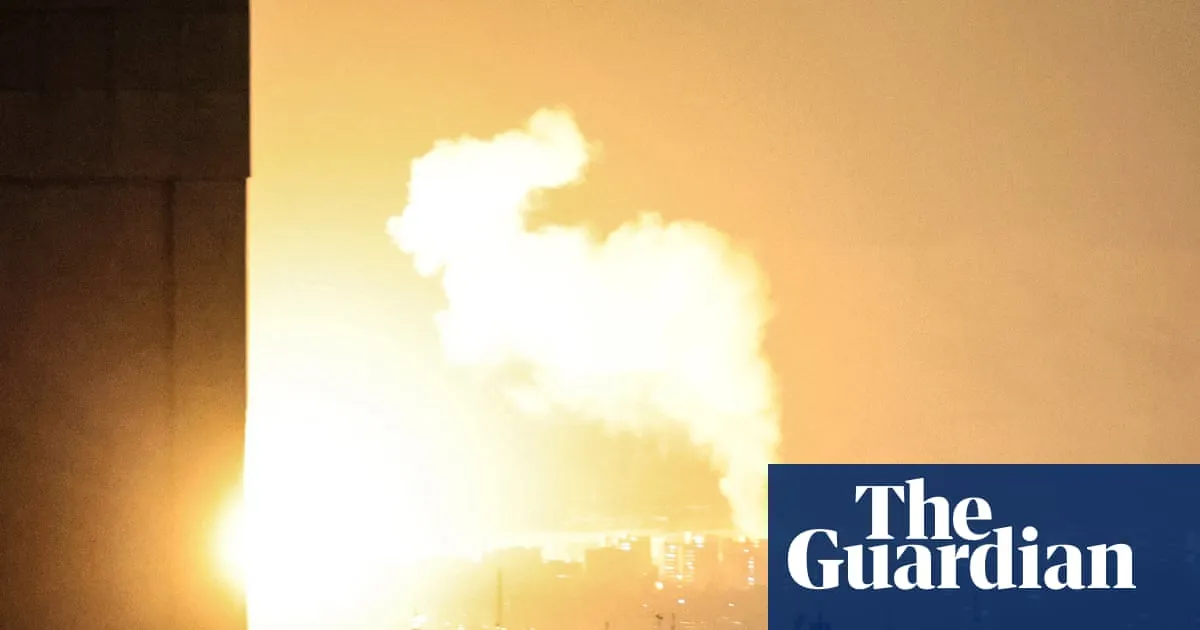
Tehran Bombed in Unprecedented Military Strikes
“If they don’t stop now, Tehran will turn into Gaza,” expressed Farzad, a resident of the Iranian capital, as the city endured what many are calling the worst bombardment in six days of escalating conflict. The airstrikes, which began on March 6, 2026, have left the city in a state of fear and uncertainty, with residents reporting intense explosions throughout the night.
The Iranian government imposed a near-total internet blackout during the strikes, further isolating the city and limiting communication. Eyewitnesses described a scene of chaos, with one noting a burning plane on the tarmac of Mehrabad Airport. As the strikes continued, the sound of B-2 bombers targeting central Tehran echoed through the streets, instilling a deep sense of dread among the populace.
“This is the first time since the war began that I am genuinely scared for my fellow Iranians,” said Zahra, a Tehran University student. Her sentiments reflect the growing anxiety among residents as they navigate the dangers of military operations in their city. Many have expressed feelings of being trapped between their government and foreign powers, unsure of what the future holds.
Reports indicate that fewer Tehranis have left the city compared to previous conflicts, suggesting a mix of resignation and determination among the population. However, the atmosphere remains subdued and partially deserted, with many residents choosing to stay indoors amid the ongoing strikes. Messages circulating among the populace reveal a pervasive sense of impending doom, as they grapple with the fear of death during the bombardment.
As the situation unfolds, the exact number of casualties remains unclear, and the full extent of damage to Tehran’s infrastructure has yet to be confirmed. The international community watches closely as the conflict escalates, with U.S. President Donald Trump stating that there would be “no deal” with Iran except for unconditional surrender, further complicating the geopolitical landscape.
“I hope I don’t come back to ruins,” lamented another resident, capturing the despair felt by many as they confront the reality of their situation. The ongoing military strikes have not only affected the physical landscape of Tehran but have also deeply impacted the mental and emotional well-being of its residents.
As Tehran braces for the next wave of strikes, the fear and uncertainty among its citizens continue to grow. With the conflict showing no signs of abating, residents remain on edge, hoping for a resolution that seems increasingly distant. Details remain unconfirmed regarding the full impact of these military actions, but the toll on the city and its people is becoming alarmingly evident.